
Ushira: Cooling Benefits, Uses & Ayurvedic Properties
Expert Reviewed
Reviewed by AyurvedicUpchar Editorial Team
What is Ushira?
Ushira, commonly known as vetiver root, is a cooling Ayurvedic herb prized for its ability to soothe burning sensations, calm the mind, and purify the blood. Unlike many roots that are woody and dry, fresh Ushira smells deeply earthy and sweet, reminiscent of wet soil after the first monsoon rain. In classical texts like the Charaka Samhita, it is revered not just as a medicine but as a Rasayana (rejuvenative) that restores fluid balance to the body.
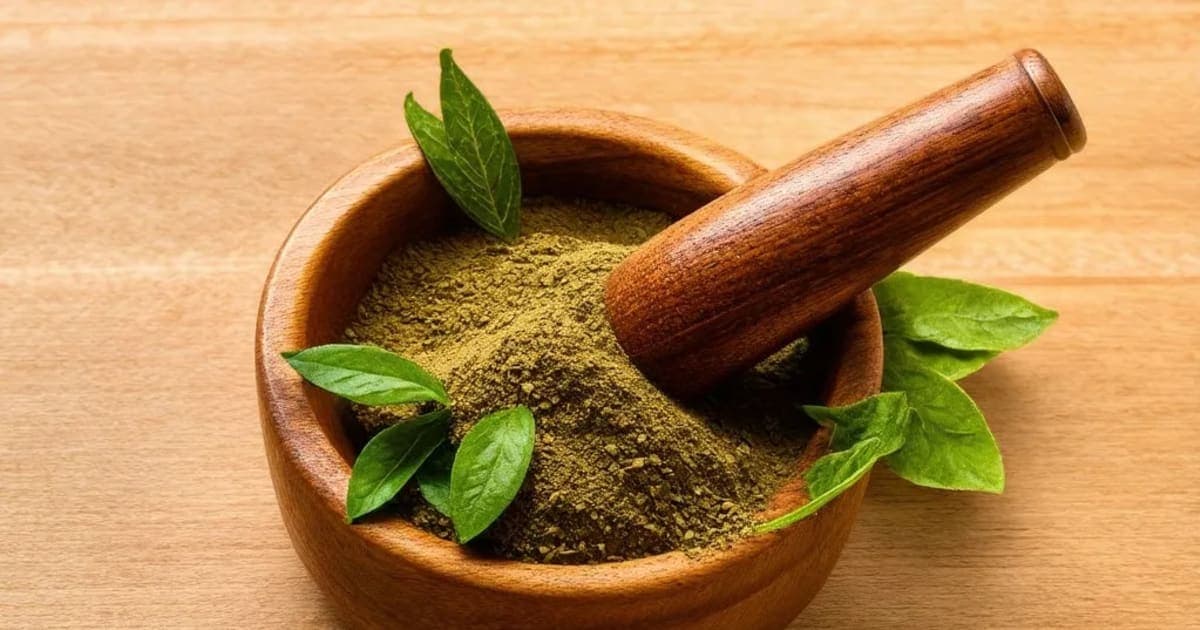
You likely know this plant as the source of vetiver essential oil, but in Ayurveda, the dried roots are often boiled into a tea or ground into a fine paste to treat heat-related disorders. Its unique combination of bitter and sweet tastes allows it to detoxify the blood while simultaneously nourishing depleted tissues. This dual action makes Ushira a specific remedy for conditions where inflammation meets dehydration, such as acid reflux, skin rashes, or urinary tract infections.
What are the Ayurvedic properties of Ushira?
Ushira is defined by its cold potency (Sheeta Virya) and its ability to pacify both Pitta and Vata doshas without aggravating them. This rare balance comes from its specific pharmacological profile: it is light enough to digest easily yet unctuous enough to lubricate dry tissues. The following table details the Dravyaguna (material properties) that dictate how Ushira interacts with your physiology:
| Property (Sanskrit) | Value | What it means for your body |
|---|---|---|
| Rasa (Taste) | Tikta (Bitter), Madhura (Sweet) | Bitter taste detoxifies and cools the blood; Sweet taste builds tissue and calms the nervous system. |
| Guna (Quality) | Laghu (Light), Snigdha (Oily) | Lightness ensures easy digestion, while oiliness prevents the drying effect common with other cooling herbs. |
| Virya (Potency) | Sheeta (Cold) | Directly reduces internal heat, inflammation, and burning sensations in the stomach or skin. |
| Vipaka (Post-digestive) | Madhura (Sweet) | Leaves a nourishing, grounding effect on the body after metabolism, supporting long-term tissue health. |
This specific combination means Ushira does not just suppress symptoms; it addresses the root cause of heat imbalance while protecting the body's vital fluids. For instance, while neem is also bitter and cooling, it can be drying; Ushira's inherent unctuousness (Snigdha) prevents this side effect, making it safer for long-term use in Vata types.
Which doshas does Ushira balance?
Ushira primarily pacifies Pitta and Vata doshas, making it an ideal choice for individuals suffering from excess heat, anxiety, or dryness. When Pitta rises, it manifests as acidity, irritability, or skin inflammation, all of which Ushira cools through its Sheeta Virya. Simultaneously, its sweet post-digestive effect grounds the erratic, dry nature of Vata, helping to stabilize mood and improve sleep.
However, those with a dominant Kapha constitution should use Ushira with caution. Because the herb is nourishing and slightly oily, excessive use in Kapha individuals can lead to feelings of heaviness, sluggish digestion, or increased mucus production. If you have a cold, congested cough or tend toward weight gain, limit Ushira to short-term use during hot weather or acute flare-ups of heat.
How do I know if I need Ushira?
You may benefit from Ushira if you experience symptoms like burning palms or feet, chronic thirst, acidic reflux after meals, or skin that feels hot to the touch. These are classic signs of aggravated Pitta that requires immediate cooling. Similarly, if you feel restless, have trouble staying asleep, or suffer from dry, cracking joints, Ushira's dual action can soothe the underlying Vata disturbance while cooling the system.
What are the primary health benefits of Ushira?
The primary health benefits of Ushira include relieving urinary burning, reducing skin inflammation, and calming mental agitation caused by excessive heat. In traditional practice, a decoction of the roots is often given to patients with urinary tract infections to reduce pain and flush out toxins gently. Its blood-purifying qualities also make it a go-to remedy for acne, eczema, and other skin conditions fueled by internal heat.
Beyond physical symptoms, Ushira is highly regarded for its impact on the mind. The scent of vetiver and the internal use of the root are both known to anchor a racing mind, making it useful for anxiety and insomnia. A simple home remedy involves boiling a teaspoon of dried Ushira powder in milk with a pinch of cardamom; this drink is traditionally consumed in the evening to promote deep, restorative sleep.
Frequently Asked Questions
Is Ushira safe to take daily?
Ushira is generally safe for daily use in moderate amounts, especially for Pitta and Vata types, but long-term use should be monitored in Kapha individuals. It is best consumed as a tea or in formulated powders under the guidance of an Ayurvedic practitioner to ensure the dosage matches your constitution.
Can Ushira help with acid reflux?
Yes, Ushira is highly effective for acid reflux because its cold potency directly neutralizes excess stomach acid and soothes the inflamed lining of the esophagus. Drinking a cool infusion of Ushira root after a spicy meal can provide immediate relief from heartburn.
How is Ushira different from sandalwood?
While both Ushira and sandalwood are cooling and pacify Pitta, Ushira is more nourishing and better for Vata imbalances, whereas sandalwood is more drying and strictly astringent. Ushira is preferred when there is significant dehydration or tissue depletion alongside the heat.
Frequently Asked Questions
What is Ushira used for in Ayurveda?
Ushira is primarily used as a Trishnahara and Dahashamana in Ayurvedic medicine. Vetiver root is cooling, soothing and diuretic. It pacifies Pitta, Vata dosha.
How should I take Ushira?
Ushira can be taken as powder (1/2-1 tsp with warm water or milk), decoction (boil 1 tsp in water), or tablets (1-2 daily). Always start with a low dose and consult an Ayurvedic practitioner for personalized guidance.
Is Ushira safe during pregnancy?
Pregnant and nursing women should not take Ushira without consulting their doctor first. Most Ayurvedic herbs require medical supervision during pregnancy.
Which dosha does Ushira balance?
Ushira pacifies Pitta, Vata. Excessive use may increase Kapha dosha.
Can I take Ushira daily?
Ushira can be taken daily in recommended doses for 4-8 weeks. After that, take a 2-week break before resuming. Long-term use should be supervised by a qualified Ayurvedic practitioner.
What are the side effects of Ushira?
When taken in recommended doses, Ushira is generally safe. Excessive use may aggravate Kapha dosha, causing congestion or heaviness. Stop use if you experience any adverse reaction.
Related Articles
The Timeless Benefits of Triphala: An Ayurvedic Powerhouse
Discover the transformative benefits of Triphala, an ancient Ayurvedic blend of three fruits that supports digestion, immunity, weight management, and overall vitality.
5 min read
The Divine Benefits of Tulsi (Holy Basil) in Ayurveda
Discover the sacred benefits of Tulsi (Holy Basil) in Ayurveda. From boosting immunity and reducing stress to supporting heart health and digestion, learn how this divine herb can transform your well-being.
4 min read
The Remarkable Benefits of Giloy: An Ayurvedic Powerhouse
Discover the profound health benefits of Giloy, the Ayurvedic 'root of immortality.' Learn how this powerful herb boosts immunity, manages diabetes, improves digestion, and supports skin, hair, and bone health.
5 min read
The Remarkable Benefits of Ashwagandha: An Ayurvedic Perspective
Discover the ancient wisdom of Ashwagandha, a powerful Ayurvedic adaptogen known for reducing stress, boosting immunity, improving sleep, and enhancing physical strength.
4 min read
Brihatyadi Kashayam: Natural Relief for Urinary Tract Disorders and Cystitis
Brihatyadi Kashayam is a cooling Ayurvedic decoction that targets urinary burning and cystitis by balancing Vata and Pitta. Unlike standard teas, this concentrated liquid extract is specifically designed to reduce inflammation in the bladder lining while flushing out toxins.
5 min read
Asphota: Ayurvedic Brain Tonic, Calming Herb & Blood Purifier
Often overlooked, Asphota is a cooling, bitter herb that acts as a gentle brain tonic and blood purifier. While it shares traits with the popular Aparajita, its unique astringent quality makes it particularly effective for stopping bleeding and soothing inflamed tissues.
6 min read
References & Sources
This article is based on principles from classical Ayurvedic texts including Charaka Samhita, Sushruta Samhita, and Ashtanga Hridaya. Content has been reviewed for accuracy by our editorial team. For specific medical conditions, always consult a qualified Ayurvedic practitioner or healthcare provider.
- • Charaka Samhita (चरक संहिता)
- • Sushruta Samhita (सुश्रुत संहिता)
- • Ashtanga Hridaya (अष्टांग हृदय)
Found an error in this article? Let us know