
Tapyadi Loha: Ayurvedic Iron Tonic for Anemia and Liver Health
Expert Reviewed
Reviewed by AyurvedicUpchar Editorial Team
What is Tapyadi Loha and how is it used in Ayurveda?
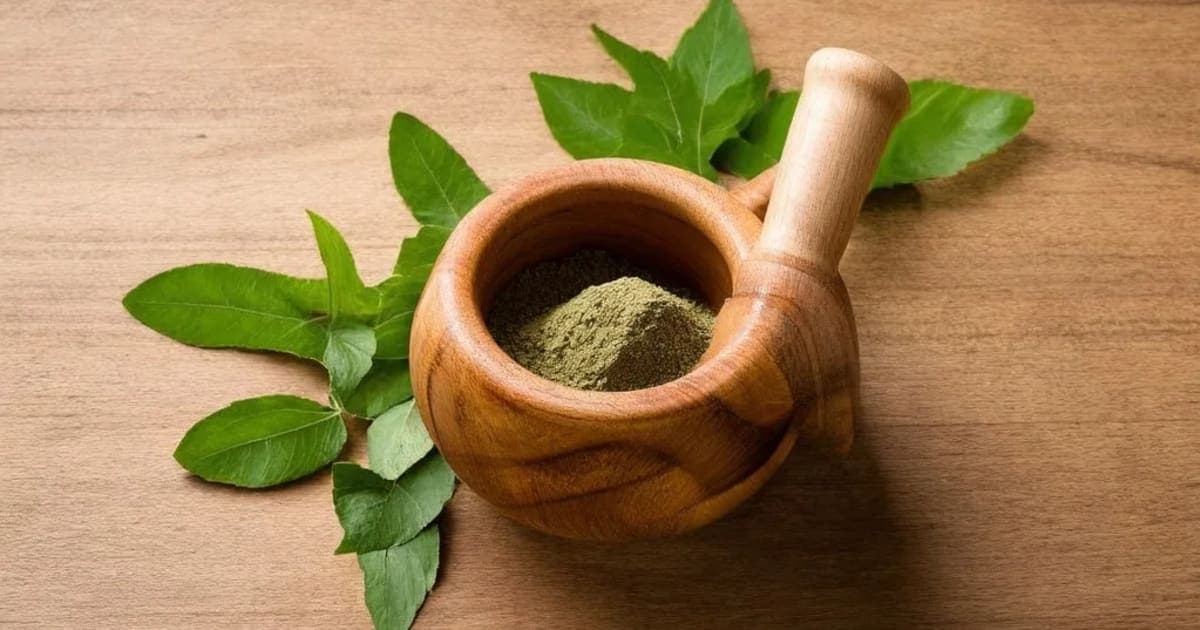
Tapyadi Loha is a classical iron-based Ayurvedic formulation designed to treat anemia, support liver function, and restore digestive fire. Unlike raw iron supplements that can upset the stomach, this medicine is processed with herbs like Tamarind and Pippali to ensure the iron is absorbed safely and effectively. It appears as a fine, reddish-brown powder with a distinct bitter and astringent taste, often mixed with ghee or honey for consumption.
While modern medicine focuses on iron content alone, Ayurveda views Tapyadi Loha as a balanced therapeutic agent. As noted in the Bhavaprakash Nighantu, this preparation is specifically crafted to bypass the digestive heaviness often caused by iron, making it suitable for those with weak digestion. A key principle to remember is that Tapyadi Loha is not merely a mineral supplement; it is a bio-processed medicine where the metal is transformed by herbal decoctions to become a tonic for the blood and liver.
What are the specific Ayurvedic properties of Tapyadi Loha?
The pharmacological profile of Tapyadi Loha is defined by its bitter taste, light and dry qualities, and heating potency, which together drive its therapeutic effects. These properties allow it to penetrate deep tissues, purify the blood, and stimulate metabolism without causing stagnation. Understanding these five fundamental attributes helps practitioners determine the correct dosage and adjuvant for each patient.
| Property (Sanskrit) | Value | What it means for your body |
|---|---|---|
| Rasa (Taste) | Tikta (Bitter) | Detoxifies the blood, reduces inflammation, and clears excess Pitta heat. |
| Guna (Quality) | Laghu, Ruksha (Light, Dry) | Allows rapid absorption and prevents the heaviness often felt with iron supplements. |
| Virya (Potency) | Ushna (Hot) | Stimulates Agni (digestive fire), improves circulation, and melts Kapha congestion. |
| Vipaka (Post-digestive) | Katu (Pungent) | Continues to heat the tissues after digestion, aiding in the elimination of toxins. |
| Dosha Karma | Pacifies Pitta & Kapha | Best for anemia with digestive sluggishness or skin inflammation; use caution in Vata. |
Which doshas does Tapyadi Loha balance and who should avoid it?
Tapyadi Loha primarily balances Pitta and Kapha doshas by clearing excess heat and drying up mucus, but it can aggravate Vata if used without care. It is most effective for individuals suffering from anemia accompanied by poor digestion, skin rashes, or a feeling of heaviness in the body. However, because of its heating and drying nature, those with a dominant Vata constitution or those experiencing dry skin, constipation, or anxiety should use it only under strict guidance.
In practice, a grandmother in Kerala might advise mixing this powder with warm milk and a pinch of cardamom to soften its drying effect for Vata types. The text Charaka Samhita emphasizes that while iron is essential, its form matters: Tapyadi Loha is the preferred form when the patient's digestion is too weak to handle raw minerals. A standalone fact for your records: Tapyadi Loha is one of the few iron preparations in Ayurveda that is specifically indicated for liver disorders, not just blood deficiency.
What are the proven health benefits of taking Tapyadi Loha?
Clinical use and traditional texts confirm that Tapyadi Loha is highly effective for treating iron-deficiency anemia, chronic liver conditions, and digestive disorders caused by low metabolic fire. It works by rebuilding the blood (Rakta Dhatu) while simultaneously cleansing the liver of toxins. Patients often report increased energy, reduced skin inflammation, and a return of appetite after a few weeks of consistent, correctly dosed use.
For liver health, this formulation acts as a hepatoprotective agent, helping to regenerate liver cells damaged by toxins or poor diet. It is also frequently prescribed for conditions like jaundice, chronic constipation, and abdominal swelling where Kapha has accumulated. Unlike many modern tonics that act as a temporary fix, Tapyadi Loha is designed to restore the body's intrinsic ability to produce healthy blood and digest food efficiently.
Frequently Asked Questions about Tapyadi Loha
What is the best way to take Tapyadi Loha for anemia?
Take 250-500 mg of Tapyadi Loha powder twice daily after meals, mixed with warm ghee or honey to counteract its dryness. Always consult an Ayurvedic practitioner to determine the exact dosage based on your age and digestive strength.
Can Tapyadi Loha be taken during pregnancy?
No, Tapyadi Loha is generally not recommended during pregnancy due to its heating potency and potential to aggravate Vata, unless specifically prescribed by a qualified Ayurvedic doctor for severe anemia.
How long does it take to see results from Tapyadi Loha?
Most users notice improvements in appetite and energy within 2-3 weeks, while significant changes in blood counts and liver function typically require 3-6 months of consistent therapy.
Does Tapyadi Loha cause constipation?
While iron can cause constipation, the herbal formulation in Tapyadi Loha is designed to prevent this. However, if you have a Vata imbalance, you may need to take it with warm milk or a laxative herb like Triphala to maintain regularity.
Is Tapyadi Loha safe for children?
It can be used for children with anemia or digestive issues, but the dosage must be significantly reduced (often 1/4 or 1/8 of an adult dose) and administered with milk or ghee under professional supervision.
Frequently Asked Questions
What is Tapyadi Loha used for in Ayurveda?
Tapyadi Loha is primarily used as a Raktavardhak and Yakrituttejaka in Ayurvedic medicine. An iron-based formulation used for anemia, liver conditions, and as a general health tonic. It pacifies Pitta, Kapha dosha.
How should I take Tapyadi Loha?
Tapyadi Loha can be taken as powder (1/2-1 tsp with warm water or milk), decoction (boil 1 tsp in water), or tablets (1-2 daily). Always start with a low dose and consult an Ayurvedic practitioner for personalized guidance.
Is Tapyadi Loha safe during pregnancy?
Pregnant and nursing women should not take Tapyadi Loha without consulting their doctor first. Most Ayurvedic herbs require medical supervision during pregnancy.
Which dosha does Tapyadi Loha balance?
Tapyadi Loha pacifies Pitta, Kapha. Excessive use may increase Vata dosha.
Can I take Tapyadi Loha daily?
Tapyadi Loha can be taken daily in recommended doses for 4-8 weeks. After that, take a 2-week break before resuming. Long-term use should be supervised by a qualified Ayurvedic practitioner.
What are the side effects of Tapyadi Loha?
When taken in recommended doses, Tapyadi Loha is generally safe. Excessive use may aggravate Vata dosha, causing gas or bloating. Stop use if you experience any adverse reaction.
Related Articles
The Timeless Benefits of Triphala: An Ayurvedic Powerhouse
Discover the transformative benefits of Triphala, an ancient Ayurvedic blend of three fruits that supports digestion, immunity, weight management, and overall vitality.
5 min read
The Divine Benefits of Tulsi (Holy Basil) in Ayurveda
Discover the sacred benefits of Tulsi (Holy Basil) in Ayurveda. From boosting immunity and reducing stress to supporting heart health and digestion, learn how this divine herb can transform your well-being.
4 min read
The Remarkable Benefits of Giloy: An Ayurvedic Powerhouse
Discover the profound health benefits of Giloy, the Ayurvedic 'root of immortality.' Learn how this powerful herb boosts immunity, manages diabetes, improves digestion, and supports skin, hair, and bone health.
5 min read
The Remarkable Benefits of Ashwagandha: An Ayurvedic Perspective
Discover the ancient wisdom of Ashwagandha, a powerful Ayurvedic adaptogen known for reducing stress, boosting immunity, improving sleep, and enhancing physical strength.
4 min read
Brihatyadi Kashayam: Natural Relief for Urinary Tract Disorders and Cystitis
Brihatyadi Kashayam is a cooling Ayurvedic decoction that targets urinary burning and cystitis by balancing Vata and Pitta. Unlike standard teas, this concentrated liquid extract is specifically designed to reduce inflammation in the bladder lining while flushing out toxins.
5 min read
Asphota: Ayurvedic Brain Tonic, Calming Herb & Blood Purifier
Often overlooked, Asphota is a cooling, bitter herb that acts as a gentle brain tonic and blood purifier. While it shares traits with the popular Aparajita, its unique astringent quality makes it particularly effective for stopping bleeding and soothing inflamed tissues.
6 min read
References & Sources
This article is based on principles from classical Ayurvedic texts including Charaka Samhita, Sushruta Samhita, and Ashtanga Hridaya. Content has been reviewed for accuracy by our editorial team. For specific medical conditions, always consult a qualified Ayurvedic practitioner or healthcare provider.
- • Charaka Samhita (चरक संहिता)
- • Sushruta Samhita (सुश्रुत संहिता)
- • Ashtanga Hridaya (अष्टांग हृदय)
Found an error in this article? Let us know