
Tamra Bhasma: Benefits, Uses & Ayurvedic Properties for Liver and Metabolism
Expert Reviewed
Reviewed by AyurvedicUpchar Editorial Team
What is Tamra Bhasma?
Tamra Bhasma is a purified copper ash used in Ayurveda primarily to ignite digestive fire, clear liver congestion, and manage obesity. Unlike raw copper, which can be toxic, this preparation undergoes a rigorous 18-step purification process called Shodhana and incineration known as Marana until the metal loses its original properties and becomes biologically compatible.
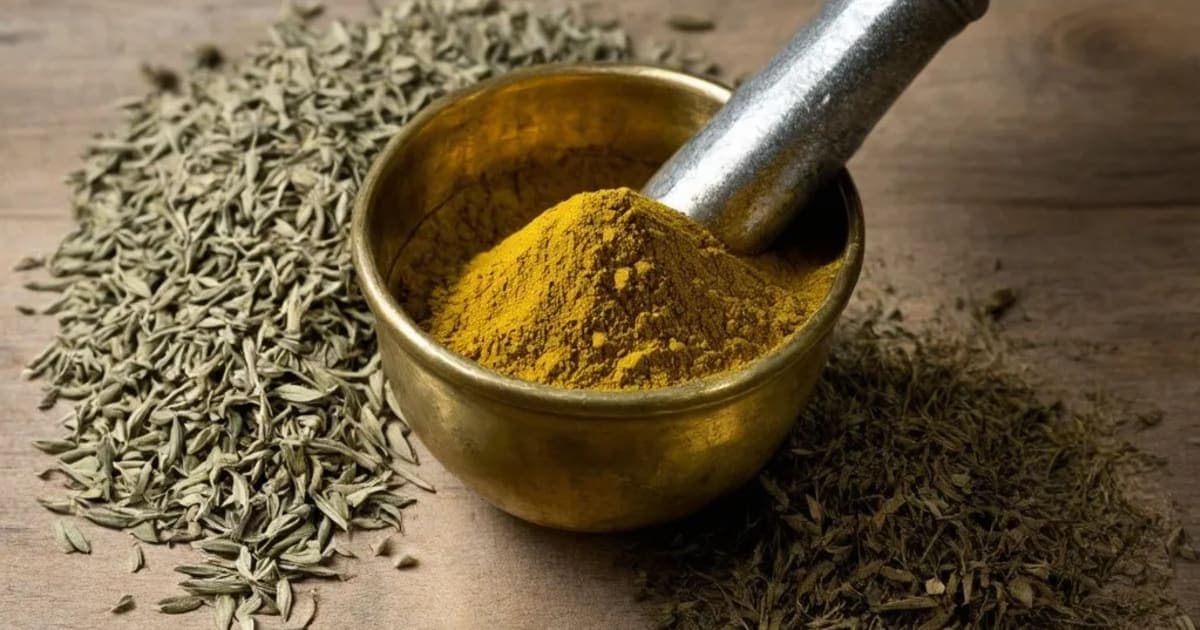
You can identify high-quality Tamra Bhasma by its appearance: it should be a fine, reddish-brown powder that feels soft to the touch and lacks any metallic shine. When prepared correctly, as described in the Rasa Tarangini, it does not float on water but settles gently, indicating the copper particles have been reduced to a nano-scale suitable for cellular absorption. Practitioners often prescribe it mixed with honey or ghee to buffer its sharpness while targeting deep-seated Kapha toxins.
What are the Ayurvedic properties of Tamra Bhasma?
The Ayurvedic classification of Tamra Bhasma reveals why it acts as a potent metabolic stimulator rather than a gentle tonic. Its pharmacological profile is defined by a pungent taste (Katu Rasa) and a sharp, penetrating quality (Tikshna Guna) that allows it to scrape away excess tissue and clear blocked channels in the liver and spleen.
Because Tamra Bhasma carries a heating potency (Ushna Virya), it directly challenges cold, stagnant conditions in the body. This specific combination of attributes makes it exceptionally effective for breaking down Ama (toxins) and reducing stubborn fat deposits that lighter herbs cannot reach.
| Property (Sanskrit) | Value | What it means for your body |
|---|---|---|
| Rasa (Taste) | Katu (Pungent) | Stimulates metabolism, clears channels, and reduces Kapha accumulation. |
| Guna (Physical quality) | Tikshna (Sharp) | Penetrates deep into tissues to break down blockages and improve absorption. |
| Virya (Potency) | Ushna (Hot) | Increases digestive fire (Agni) and circulation; warms cold extremities. |
| Vipaka (Post-digestive effect) | Katu (Pungent) | Maintains a heating, scraping effect long after digestion is complete. |
| Prabhava (Special potency) | Lekhana (Scraping) | Specifically targets and reduces excess meda dhatu (fat tissue) and liver congestion. |
Which doshas does Tamra Bhasma balance?
Tamra Bhasma primarily pacifies Kapha dosha due to its heating and drying qualities that counteract Kapha's cold, heavy, and wet nature. While it is the go-to remedy for Kapha stagnation, its sharp heat means it must be used with caution in individuals with high Pitta or Vata.
If you have a dominant Pitta constitution, the intense heat of this copper preparation can aggravate inflammation, cause acidity, or lead to skin rashes if the dose is not perfectly calibrated. Similarly, because it is drying and light, those with Vata imbalances might experience increased anxiety, dryness, or joint pain if taken without adequate anupana (vehicle) like ghee. A skilled practitioner will often combine it with cooling herbs or specific carriers to mitigate these risks while retaining its therapeutic power.
How do you know if you need Tamra Bhasma?
You likely need Tamra Bhasma if you suffer from persistent lethargy, unexplained weight gain, or a feeling of heaviness after eating that lighter diets fail to resolve. Classic signs include a coated tongue in the morning, excessive mucus production, water retention in the legs, and a sluggish liver that struggles to process fats.
In clinical practice, I often see this prescribed for patients who feel "stuck"—their metabolism has slowed to a crawl, and they feel cold even in warm weather. If your digestion feels like a damp fire that won't catch flame, the sharp, heating action of Tamra Bhasma provides the necessary spark to restart the engine.
What are the primary health benefits of Tamra Bhasma?
The primary health benefits of Tamra Bhasma center on its ability to act as a Lekhana (scraping) agent that reduces excess fat and clears liver congestion. By enhancing the bio-fire (Jatharagni), it ensures that food is fully digested rather than turning into toxic sludge that clogs the body's micro-channels.
Beyond weight management, classical texts like the Charaka Samhita note its utility in treating chronic skin diseases and anemia, provided it is administered with the correct vehicle. For instance, when mixed with honey, it targets fat reduction; when taken with ghee, it can help nourish the blood while still maintaining its cleansing action on the liver.
Frequently Asked Questions
Is Tamra Bhasma safe to take daily?
Tamra Bhasma is safe for daily use only under the strict supervision of a qualified Ayurvedic practitioner who can determine the precise micro-dose. Self-medication is dangerous because improper purification or incorrect dosing of copper can lead to heavy metal toxicity and liver damage.
How long does it take for Tamra Bhasma to work?
While some improvement in digestion and energy may be felt within a few weeks, significant changes in weight or liver function typically require 3 to 6 months of consistent therapy. The timeline depends heavily on the severity of the Kapha imbalance and adherence to dietary restrictions.
Can I take Tamra Bhasma for weight loss?
Yes, Tamra Bhasma is traditionally used for weight loss because its scraping quality (Lekhana) specifically targets and reduces excess fat tissue (Meda Dhatu). It works best when combined with a Kapha-reducing diet and regular exercise to support its metabolic effects.
What is the best time to take Tamra Bhasma?
It is generally recommended to take Tamra Bhasma early in the morning on an empty stomach or just before lunch to maximize its impact on digestive fire. The specific timing and the substance it is mixed with (anupana) depend on your individual constitution and the condition being treated.
Disclaimer: This content is for informational purposes only and does not constitute medical advice. Tamra Bhasma is a potent mineral-based formulation that requires professional purification and dosing. Always consult a certified Ayurvedic practitioner before starting any new herbal regimen, especially if you are pregnant, nursing, or taking other medications.
Frequently Asked Questions
What is Tamra Bhasma used for in Ayurveda?
Tamra Bhasma is primarily used as a Yakritottejaka and Fat Reducer in Ayurvedic medicine. Copper ash for liver, spleen and obesity management. It pacifies Kapha dosha.
How should I take Tamra Bhasma?
Tamra Bhasma can be taken as powder (1/2-1 tsp with warm water or milk), decoction (boil 1 tsp in water), or tablets (1-2 daily). Always start with a low dose and consult an Ayurvedic practitioner for personalized guidance.
Is Tamra Bhasma safe during pregnancy?
Pregnant and nursing women should not take Tamra Bhasma without consulting their doctor first. Most Ayurvedic herbs require medical supervision during pregnancy.
Which dosha does Tamra Bhasma balance?
Tamra Bhasma pacifies Kapha. Excessive use may increase Pitta, Vata dosha.
Can I take Tamra Bhasma daily?
Tamra Bhasma can be taken daily in recommended doses for 4-8 weeks. After that, take a 2-week break before resuming. Long-term use should be supervised by a qualified Ayurvedic practitioner.
What are the side effects of Tamra Bhasma?
When taken in recommended doses, Tamra Bhasma is generally safe. Excessive use may aggravate Pitta, Vata dosha, causing acidity or skin issues. Stop use if you experience any adverse reaction.
Related Articles
The Timeless Benefits of Triphala: An Ayurvedic Powerhouse
Discover the transformative benefits of Triphala, an ancient Ayurvedic blend of three fruits that supports digestion, immunity, weight management, and overall vitality.
5 min read
The Divine Benefits of Tulsi (Holy Basil) in Ayurveda
Discover the sacred benefits of Tulsi (Holy Basil) in Ayurveda. From boosting immunity and reducing stress to supporting heart health and digestion, learn how this divine herb can transform your well-being.
4 min read
The Remarkable Benefits of Giloy: An Ayurvedic Powerhouse
Discover the profound health benefits of Giloy, the Ayurvedic 'root of immortality.' Learn how this powerful herb boosts immunity, manages diabetes, improves digestion, and supports skin, hair, and bone health.
5 min read
The Remarkable Benefits of Ashwagandha: An Ayurvedic Perspective
Discover the ancient wisdom of Ashwagandha, a powerful Ayurvedic adaptogen known for reducing stress, boosting immunity, improving sleep, and enhancing physical strength.
4 min read
Brihatyadi Kashayam: Natural Relief for Urinary Tract Disorders and Cystitis
Brihatyadi Kashayam is a cooling Ayurvedic decoction that targets urinary burning and cystitis by balancing Vata and Pitta. Unlike standard teas, this concentrated liquid extract is specifically designed to reduce inflammation in the bladder lining while flushing out toxins.
5 min read
Asphota: Ayurvedic Brain Tonic, Calming Herb & Blood Purifier
Often overlooked, Asphota is a cooling, bitter herb that acts as a gentle brain tonic and blood purifier. While it shares traits with the popular Aparajita, its unique astringent quality makes it particularly effective for stopping bleeding and soothing inflamed tissues.
6 min read
References & Sources
This article is based on principles from classical Ayurvedic texts including Charaka Samhita, Sushruta Samhita, and Ashtanga Hridaya. Content has been reviewed for accuracy by our editorial team. For specific medical conditions, always consult a qualified Ayurvedic practitioner or healthcare provider.
- • Charaka Samhita (चरक संहिता)
- • Sushruta Samhita (सुश्रुत संहिता)
- • Ashtanga Hridaya (अष्टांग हृदय)
Found an error in this article? Let us know