
Meda: Nourish Fatty Tissues & Calm Vata with This Rare Ashtavarga Herb
Expert Reviewed
Reviewed by AyurvedicUpchar Editorial Team
What is Meda and why is it rare?
Meda is a rare, succulent orchid revered in Ayurveda as one of the eight precious Ashtavarga herbs, specifically used to nourish fatty tissues (Meda Dhatu) and act as a potent general tonic. Unlike common garden herbs, true Meda (Roscoea purpurea or related species) grows only in high-altitude Himalayan regions, making it a prized and often substituted ingredient in classical formulations. When you hold the dried rhizome, it feels dense and slightly oily, releasing a faint, sweet earthiness when crushed—a sensory clue to its Snigdha (unctuous) nature that deeply moisturizes the body from within.
Classical texts like the Charaka Samhita (Sutra Sthana) list Meda among the most vital rasayanas (rejuvenatives), noting its unique ability to build bulk without creating excessive heat. This makes it distinct from other tonics that might aggravate Pitta while strengthening the body. Its primary action is to cool inflammation while simultaneously adding necessary lubrication to dry, brittle systems.
What are the Ayurvedic properties of Meda?
The Ayurvedic profile of Meda defines it as a cooling, heavy, and sweet herb that pacifies Vata and Pitta doshas through its specific taste and post-digestive effects. These properties determine exactly how the herb interacts with your physiology, slowing down rapid metabolism and soothing irritated nerves. Understanding this pharmacological fingerprint helps practitioners decide when Meda is the correct tool for restoration.
| Property (Sanskrit) | Value | What it means for your body |
|---|---|---|
| Rasa (Taste) | Madhura (Sweet) | Nourishing, builds tissues, calms the mind, and reduces stress. |
| Guna (Quality) | Guru, Snigdha | Heavy and Oily—penetrates deep into dry tissues and slows rapid movement. |
| Virya (Potency) | Sheeta | Cooling—reduces inflammation, burns, and excess body heat immediately. |
| Vipaka (Post-digestive) | Madhura | Sweet—provides long-term building and grounding effects after digestion. |
This combination of heavy, oily, and cooling qualities makes Meda a direct antidote to the light, dry, and mobile qualities of aggravated Vata. It is also highly effective against the sharp, hot intensity of unbalanced Pitta.
Which doshas does Meda balance?
Meda primarily pacifies Vata and Pitta doshas, making it an ideal choice for individuals suffering from dryness, anxiety, inflammation, or burning sensations. Because it possesses heavy and unctuous qualities, it grounds the erratic movement of Vata and cools the fiery aggression of Pitta. However, this same nourishing density means it can aggravate Kapha if used indiscriminately.
If you have a naturally heavy build, suffer from frequent congestion, or feel lethargic after meals, your Kapha is likely already high. In such cases, Meda might increase feelings of sluggishness or lead to unwanted weight gain if taken in large doses. A skilled practitioner might still prescribe it for specific tissue depletion but will balance it with warming spices like ginger or black pepper to maintain digestive fire.
How do you know if you need Meda?
You likely need Meda if you experience chronic dryness, joint cracking, anxiety, or a sensation of internal heat that water doesn't quench. These symptoms signal that your body's lubricating fluids are depleted, a state Ayurveda calls Kshaya (depletion). People often describe feeling "wired but tired," with skin that looks dull or feels rough to the touch, and minds that race at night preventing deep sleep.
In practical terms, grandmothers in the Himalayas might suggest Meda for a child who is failing to gain weight despite eating well, or for an elder whose joints click painfully with every step. It is the herb of choice when the body needs to rebuild its structural integrity and cool down simmering irritation.
What are the primary health benefits of Meda?
Meda offers targeted therapeutic actions that rebuild depleted tissues, soothe nerve endings, and restore vitality to the reproductive system. Its benefits are not just theoretical; they are observed in how it helps the body retain moisture and energy over time.
Rebuilding Fatty Tissues and Nerves: The name "Meda" literally translates to fat, but in Ayurveda, this refers to the essential lipid layer that protects organs and insulates nerves. By nourishing the Meda Dhatu, this herb helps repair the myelin sheath of nerves, offering relief in conditions involving neuropathy or tremors. It acts as a internal balm, smoothing out the roughness that causes pain and friction in the body.
Cooling and Soothing Inflammation: Due to its Sheeta Virya (cooling potency), Meda is excellent for managing conditions characterized by burning sensations, such as acid reflux, burning eyes, or inflammatory skin disorders. Unlike some cooling herbs that might dampen digestion, Meda's sweet vipaka ensures it continues to soothe the system even after digestion is complete.
Enhancing Vitality and Reproductive Health: As a key component of Ashtavarga formulations, Meda is traditionally used to support Ojas (vital essence) and reproductive tissues (Shukra Dhatu). It is often included in tonics for men and women seeking to recover strength after illness, childbirth, or periods of intense physical exertion.
How is Meda traditionally used?
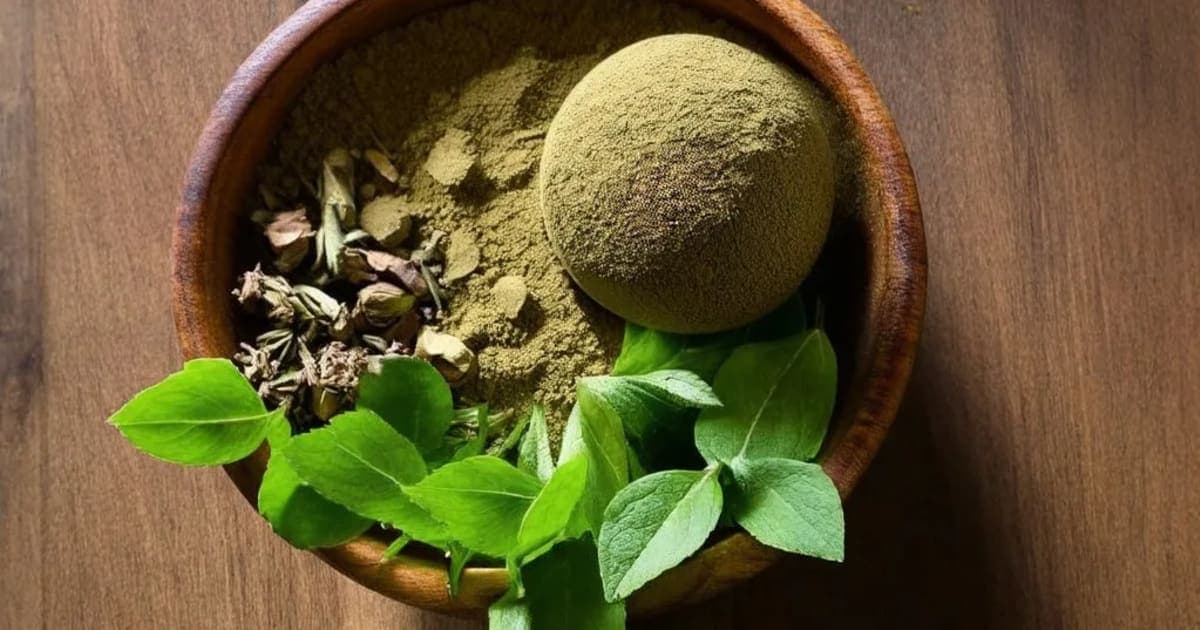
Meda is rarely used as a standalone raw herb due to its rarity and potency; instead, it is typically consumed as a fine powder mixed with warm milk, ghee, or honey to enhance its nourishing effects. In classical preparations, the dried rhizomes are cleaned, dried in the shade to preserve their cooling properties, and ground into a smooth, beige powder. A common home remedy involves mixing 3–5 grams of this powder with a teaspoon of ghee and warm milk, taken at night to promote deep, restorative sleep and tissue repair.
It is also a critical ingredient in Ashtavarga Churna and various medicated ghees (ghritas) designed for neurological support. Because genuine Meda is difficult to source, it is sometimes substituted with Jeevanti or other cooling tonics, though traditionalists argue the specific vibrational quality of true Himalayan Meda cannot be fully replicated.
Frequently Asked Questions
Is Meda the same as regular fat or lard?
No, Meda is a specific medicinal orchid plant, whereas "meda" in a general physiological context refers to body fat. The herb is named for its ability to specifically target and nourish the body's fat tissue and lipid layers, not because it is animal fat itself.
Can I take Meda if I have high cholesterol?
Since Meda is traditionally used to build lipid tissues, individuals with high cholesterol or obesity should consult an Ayurvedic practitioner before use. While it balances Vata and Pitta, its heavy and unctuous nature could potentially exacerbate Kapha-related metabolic issues if not dosed correctly.
What does authentic Meda taste like?
Authentic Meda has a distinctly sweet (Madhura) taste with a mucilaginous, slightly slimy texture when chewed or mixed with water. This sticky, coating quality is a key indicator of its Snigdha (oily) guna, which helps it adhere to and soothe dry mucous membranes.
Where does the best Meda come from?
High-quality Meda is native to the high-altitude regions of the Himalayas, particularly in Nepal and Northern India, where it grows in cool, moist rocky crevices. The harsh, cold environment contributes to its potent cooling (Sheeta) energy and high concentration of nourishing compounds.
Frequently Asked Questions
What is Meda used for in Ayurveda?
Meda is primarily used as a Rejuvenative (Rasayana) and Brimhaniya in Ayurvedic medicine. An Ashtavarga herb that nourishes the fatty tissues (Meda Dhatu) and acts as a general tonic. It pacifies Vata, Pitta dosha.
How should I take Meda?
Meda can be taken as powder (1/2-1 tsp with warm water or milk), decoction (boil 1 tsp in water), or tablets (1-2 daily). Always start with a low dose and consult an Ayurvedic practitioner for personalized guidance.
Is Meda safe during pregnancy?
Pregnant and nursing women should not take Meda without consulting their doctor first. Most Ayurvedic herbs require medical supervision during pregnancy.
Which dosha does Meda balance?
Meda pacifies Vata, Pitta. Excessive use may increase Kapha dosha.
Can I take Meda daily?
Meda can be taken daily in recommended doses for 4-8 weeks. After that, take a 2-week break before resuming. Long-term use should be supervised by a qualified Ayurvedic practitioner.
What are the side effects of Meda?
When taken in recommended doses, Meda is generally safe. Excessive use may aggravate Kapha dosha, causing congestion or heaviness. Stop use if you experience any adverse reaction.
Related Articles
The Timeless Benefits of Triphala: An Ayurvedic Powerhouse
Discover the transformative benefits of Triphala, an ancient Ayurvedic blend of three fruits that supports digestion, immunity, weight management, and overall vitality.
5 min read
The Divine Benefits of Tulsi (Holy Basil) in Ayurveda
Discover the sacred benefits of Tulsi (Holy Basil) in Ayurveda. From boosting immunity and reducing stress to supporting heart health and digestion, learn how this divine herb can transform your well-being.
4 min read
The Remarkable Benefits of Giloy: An Ayurvedic Powerhouse
Discover the profound health benefits of Giloy, the Ayurvedic 'root of immortality.' Learn how this powerful herb boosts immunity, manages diabetes, improves digestion, and supports skin, hair, and bone health.
5 min read
The Remarkable Benefits of Ashwagandha: An Ayurvedic Perspective
Discover the ancient wisdom of Ashwagandha, a powerful Ayurvedic adaptogen known for reducing stress, boosting immunity, improving sleep, and enhancing physical strength.
4 min read
Brihatyadi Kashayam: Natural Relief for Urinary Tract Disorders and Cystitis
Brihatyadi Kashayam is a cooling Ayurvedic decoction that targets urinary burning and cystitis by balancing Vata and Pitta. Unlike standard teas, this concentrated liquid extract is specifically designed to reduce inflammation in the bladder lining while flushing out toxins.
5 min read
Asphota: Ayurvedic Brain Tonic, Calming Herb & Blood Purifier
Often overlooked, Asphota is a cooling, bitter herb that acts as a gentle brain tonic and blood purifier. While it shares traits with the popular Aparajita, its unique astringent quality makes it particularly effective for stopping bleeding and soothing inflamed tissues.
6 min read
References & Sources
This article is based on principles from classical Ayurvedic texts including Charaka Samhita, Sushruta Samhita, and Ashtanga Hridaya. Content has been reviewed for accuracy by our editorial team. For specific medical conditions, always consult a qualified Ayurvedic practitioner or healthcare provider.
- • Charaka Samhita (चरक संहिता)
- • Sushruta Samhita (सुश्रुत संहिता)
- • Ashtanga Hridaya (अष्टांग हृदय)
Found an error in this article? Let us know