
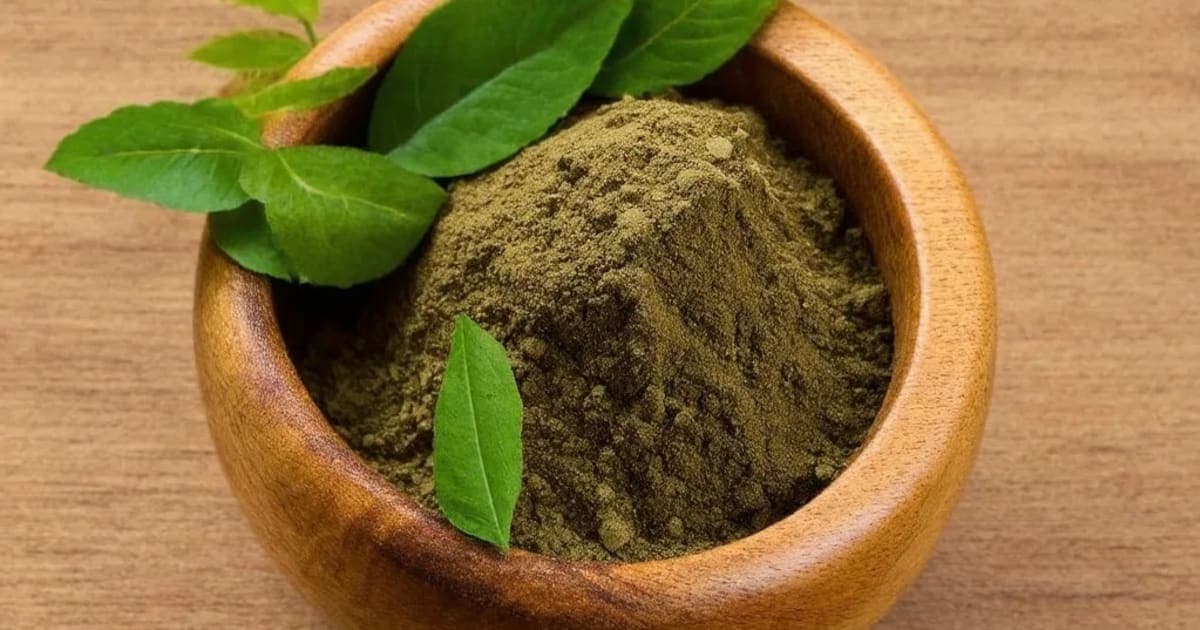
Takra (Buttermilk): Ancient Ayurvedic Remedy for Digestion and Dosha Balance
Expert Reviewed
Reviewed by AyurvedicUpchar Editorial Team
What is Takra and why is it called 'heavenly nectar'?
Takra is the Ayurvedic name for churned buttermilk, a digestive tonic so revered in classical texts that Charaka Samhita describes it as "heavenly nectar" capable of curing nearly every digestive disorder. Unlike modern cultured buttermilk which is often thick and creamy, traditional Takra is a thin, slightly sour liquid made by churning fresh yogurt with water until the fat separates, leaving a light, probiotic-rich drink that acts as a gentle fire for the stomach. It is not merely a beverage but a distinct medicinal substance (Dravya) in Ayurvedic pharmacology, used to kindle Agni (digestive fire) without creating heaviness in the gut.
In the hands of an experienced practitioner, Takra serves as a primary remedy for conditions where heavy milk or ghee would be too cloying. The preparation method matters immensely: the yogurt must be fresh, never sour or old, and the water used to dilute it should be warm to maintain its heating potency. When prepared correctly, it tastes tangy and astringent, leaving a clean, cooling sensation in the throat despite its heating energy.
How do the Ayurvedic properties of Takra work?
The therapeutic power of Takra comes from its specific combination of taste, quality, and energy, which together dictate how it moves through your tissues. Takra is classified as having a warming potency (Ushna Virya) with a primary taste of Astringent (Kashaya) and Sour (Amla), making it uniquely suited to dry out excess moisture in the body while stimulating the appetite.
These properties are not abstract concepts; they translate directly to physical effects. The astringent taste helps firm up loose stools and heal mucous membranes, while the sour taste triggers saliva and stomach acid production. Because it is light (Laghu) and dry (Ruksha) in quality, it absorbs quickly into the bloodstream and does not linger in the stomach to cause bloating. This makes it one of the few dairy products safe for people with weak digestion who cannot tolerate milk or cheese.
| Property (Sanskrit) | Value | What it means for your body |
|---|---|---|
| Rasa (Taste) | Kashaya, Amla | Astringent and Sour: Dries excess moisture, heals tissues, and stimulates digestion. |
| Guna (Quality) | Laghu, Ruksha | Light and Dry: Absorbs quickly, penetrates deep tissues, and prevents bloating. |
| Virya (Potency) | Ushna | Heating: Ignites digestive fire, improves circulation, and clears metabolic waste. |
| Vipaka (Post-digestive) | Madhura | Sweet: Provides nourishment and stabilizes tissues after digestion is complete. |
As stated in the Bhavaprakash Nighantu, Takra possesses a unique ability to balance the doshas through its post-digestive effect, which ultimately becomes sweet and nourishing despite its sour initial taste.
Which doshas does Takra balance or aggravate?
Takra primarily pacifies Vata and Kapha doshas due to its light, drying, and heating nature, making it ideal for individuals with sluggish digestion, excess mucus, or cold, dry constitutions. However, because of its inherent sourness and heating potency, it can aggravate Pitta if consumed in excess or by those with high heat, acidity, or inflammatory skin conditions.
A grandmother in rural Kerala might advise adding a pinch of turmeric or cumin to Takra when treating a cold, but she would strictly forbid it during a fever or severe heartburn. This is because the heating energy (Ushna Virya) that clears Kapha congestion can also inflame an already burning Pitta. The key lies in moderation and the addition of cooling spices to counterbalance the heat when needed.
How to know if Takra is right for your body type
You likely need Takra if you experience symptoms of Kapha stagnation like morning congestion, a heavy feeling after meals, or a coated tongue, as well as Vata issues like irregular bowel movements, gas, and anxiety. The herb works by drying up the excess fluid (Kapha) and settling the erratic movement (Vata) in the digestive tract. Conversely, if you suffer from acid reflux, burning sensations in the stomach, or inflamed skin rashes, Takra may worsen these symptoms unless carefully modified with cooling herbs like coriander or fennel.
How is Takra used in daily Ayurvedic practice?
In daily practice, Takra is rarely drunk plain; it is almost always seasoned with spices to target specific ailments and enhance its therapeutic reach. A common preparation involves whisking a cup of fresh buttermilk with a pinch of rock salt, cumin powder, and a few curry leaves, then sipping it slowly after lunch to aid digestion and prevent bloating.
For joint pain or Vata-type arthritis, a practitioner might prescribe Takra mixed with ginger juice and a pinch of black pepper, taken warm in the morning. For skin conditions like eczema or acne linked to Kapha, a paste of Takra and sandalwood powder is applied topically to draw out heat and dry the lesion. The versatility of Takra allows it to be a drink, a bath additive, or a topical paste, depending on the condition being treated.
Frequently Asked Questions about Takra
Is Takra the same as regular buttermilk?
No, Ayurvedic Takra is specifically churned from fresh yogurt with water to remove the fat, resulting in a thin, probiotic-rich liquid, whereas modern buttermilk is often a byproduct of butter making or a cultured dairy drink that may be thick and heavy.
Can I drink Takra at night?
Generally, Takra is best consumed during the day, specifically with lunch, because its heating potency can disturb sleep if taken too late; however, a small amount with calming spices like cardamom may help some Vata types with digestion before bed.
What spices are best to add to Takra?
Cumin, coriander, ginger, and black pepper are excellent additions to enhance digestion and balance the heating effects, while mint or fennel can be added to cool the drink for those with mild Pitta sensitivity.
Does Takra help with weight loss?
Yes, Takra supports weight loss by improving Agni (digestive fire) and clearing excess Kapha (mucus and fat), making it a popular remedy in Ayurvedic weight management protocols when taken as part of a balanced diet.
Who should avoid Takra?
Individuals with active ulcers, severe acidity, hyperacidity, or acute inflammatory skin conditions should avoid Takra or use it only under strict guidance, as its sour and heating nature can aggravate these conditions.
Frequently Asked Questions
What is Takra used for in Ayurveda?
Takra is primarily used as a Absorbent and Appetite Stimulant in Ayurvedic medicine. Buttermilk is highly praised in Ayurveda as 'heavenly nectar'. It is light, easy to digest, and treats many digestive disorders. It pacifies Vata, Kapha dosha.
How should I take Takra?
Takra can be taken as powder (1/2-1 tsp with warm water or milk), decoction (boil 1 tsp in water), or tablets (1-2 daily). Always start with a low dose and consult an Ayurvedic practitioner for personalized guidance.
Is Takra safe during pregnancy?
Pregnant and nursing women should not take Takra without consulting their doctor first. Most Ayurvedic herbs require medical supervision during pregnancy.
Which dosha does Takra balance?
Takra pacifies Vata, Kapha. Excessive use may increase Pitta dosha.
Can I take Takra daily?
Takra can be taken daily in recommended doses for 4-8 weeks. After that, take a 2-week break before resuming. Long-term use should be supervised by a qualified Ayurvedic practitioner.
What are the side effects of Takra?
When taken in recommended doses, Takra is generally safe. Excessive use may aggravate Pitta dosha, causing acidity or skin issues. Stop use if you experience any adverse reaction.
Related Articles
The Timeless Benefits of Triphala: An Ayurvedic Powerhouse
Discover the transformative benefits of Triphala, an ancient Ayurvedic blend of three fruits that supports digestion, immunity, weight management, and overall vitality.
5 min read
The Divine Benefits of Tulsi (Holy Basil) in Ayurveda
Discover the sacred benefits of Tulsi (Holy Basil) in Ayurveda. From boosting immunity and reducing stress to supporting heart health and digestion, learn how this divine herb can transform your well-being.
4 min read
The Remarkable Benefits of Giloy: An Ayurvedic Powerhouse
Discover the profound health benefits of Giloy, the Ayurvedic 'root of immortality.' Learn how this powerful herb boosts immunity, manages diabetes, improves digestion, and supports skin, hair, and bone health.
5 min read
The Remarkable Benefits of Ashwagandha: An Ayurvedic Perspective
Discover the ancient wisdom of Ashwagandha, a powerful Ayurvedic adaptogen known for reducing stress, boosting immunity, improving sleep, and enhancing physical strength.
4 min read
Brihatyadi Kashayam: Natural Relief for Urinary Tract Disorders and Cystitis
Brihatyadi Kashayam is a cooling Ayurvedic decoction that targets urinary burning and cystitis by balancing Vata and Pitta. Unlike standard teas, this concentrated liquid extract is specifically designed to reduce inflammation in the bladder lining while flushing out toxins.
5 min read
Asphota: Ayurvedic Brain Tonic, Calming Herb & Blood Purifier
Often overlooked, Asphota is a cooling, bitter herb that acts as a gentle brain tonic and blood purifier. While it shares traits with the popular Aparajita, its unique astringent quality makes it particularly effective for stopping bleeding and soothing inflamed tissues.
6 min read
References & Sources
This article is based on principles from classical Ayurvedic texts including Charaka Samhita, Sushruta Samhita, and Ashtanga Hridaya. Content has been reviewed for accuracy by our editorial team. For specific medical conditions, always consult a qualified Ayurvedic practitioner or healthcare provider.
- • Charaka Samhita (चरक संहिता)
- • Sushruta Samhita (सुश्रुत संहिता)
- • Ashtanga Hridaya (अष्टांग हृदय)
Found an error in this article? Let us know