
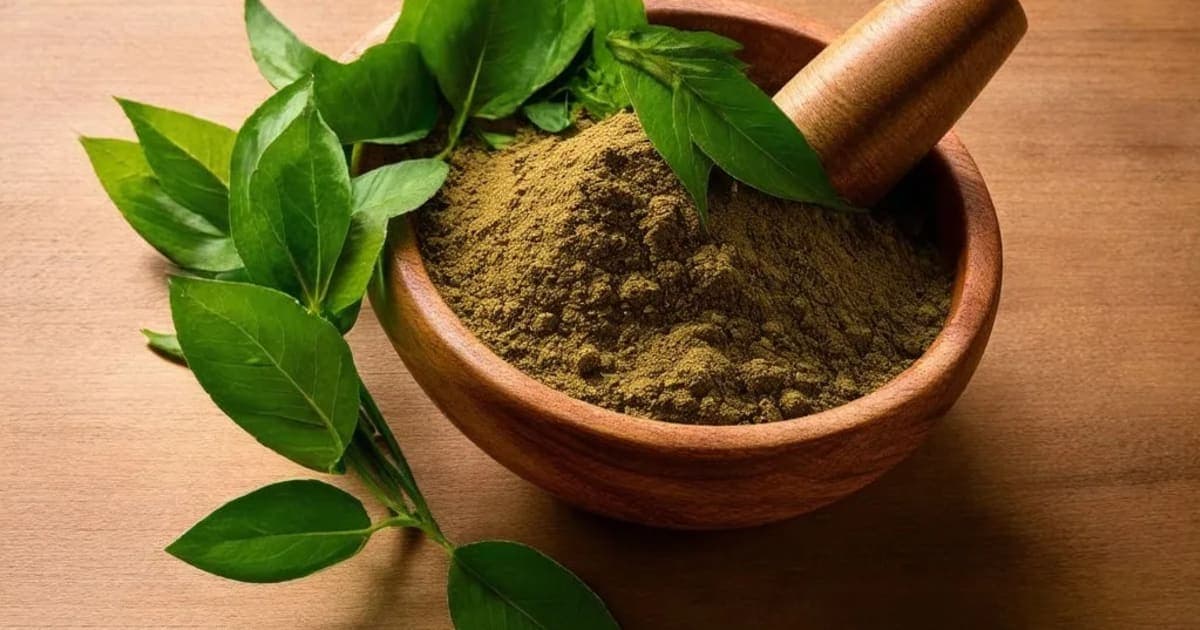
Suranjana: Ayurvedic Relief for Gout, Joint Pain & Rheumatism
Expert Reviewed
Reviewed by AyurvedicUpchar Editorial Team
What is Suranjana and how does it treat joint pain?
Suranjana (Colchicum luteum) is a potent Ayurvedic herb primarily used to treat gout, rheumatoid arthritis, and severe joint stiffness by clearing deep-seated toxins from the tissues. While modern medicine often turns to this plant for its anti-inflammatory alkaloids, Ayurveda has utilized it for centuries as a sharp, penetrating remedy to restore mobility in immobilized joints. However, its power comes with a caveat: it is a medicine, not a daily tonic, and must be used with precise dosing to avoid toxicity.
Unlike gentle herbs that soothe the body slowly, Suranjana acts like a sharp blade, cutting through the accumulation of Ama (metabolic toxins) and Ashmari (uric acid crystals) that cause the excruciating pain of gout. Classical texts, including the Bhavaprakash Nighantu, categorize it under Shothahara (anti-inflammatory) and Vataghna (Vata-pacifying) drugs, noting its unique ability to reach the deepest Majja Dhatu (marrow and bone tissue) where pain often originates.
Key Fact: Suranjana is one of the few Ayurvedic herbs specifically indicated for Amavata (rheumatoid arthritis) because of its Tikshna (sharp) quality, which penetrates calcified deposits that other herbs cannot reach.
How do the Ayurvedic properties of Suranjana work?
The therapeutic action of Suranjana is defined by its five fundamental properties, which explain why it effectively treats cold, stiff joints but requires caution for those with heat or inflammation. Its Rasa (taste) is predominantly Bitter and Pungent, giving it a drying, detoxifying effect that pulls excess fluid and toxins out of swollen tissues.
| Property (Sanskrit) | Value | What it means for your body |
|---|---|---|
| Rasa (Taste) | Tikta, Katu | Bitter and Pungent; detoxifies blood, reduces swelling, and stimulates digestive fire. |
| Guna (Quality) | Laghu, Tikshna | Light and Sharp; allows rapid absorption and deep penetration into bone and marrow. |
| Virya (Potency) | Ushna | Heating; increases circulation to cold, stiff joints and melts accumulated Kapha. |
| Vipaka (Post-digestive) | Katu | Pungent; the lingering effect continues to clear toxins and reduce inflammation after digestion. |
When you understand these properties, you see why a grandmother might suggest a tiny amount of Suranjana powder in warm milk for a grandfather with cold, aching knees, but would never give it to someone with a burning sensation in the stomach. The Ushna (hot) potency is exactly what moves the stagnant Vata, but it can also ignite Pitta if the dose is too high.
Who should use Suranjana and when should they avoid it?
Suranjana is best suited for individuals suffering from Vata and Kapha imbalances manifesting as chronic joint pain, gout, or numbness, but it is strictly contraindicated for those with high Pitta or active bleeding disorders. People who feel cold, experience cracking joints, and have a history of uric acid buildup will find the most relief, whereas those with burning sensations, skin rashes, or acid reflux should avoid it entirely.
In practice, you will rarely find Suranjana used alone. A skilled practitioner often combines it with cooling herbs like Shatavari or Guduchi to balance its intense heat, or administers it in a fermented liquid form to mitigate its toxicity. The Charaka Samhita warns that while this herb is a savior for the immobile, improper use can lead to severe vomiting, diarrhea, or nerve damage. Always consult a qualified Ayurvedic physician before attempting to use this herb, as the difference between a healing dose and a toxic one is very small.
Key Fact: The therapeutic window for Suranjana is narrow; classical Ayurveda emphasizes that its safety depends entirely on the quality of the raw material and the specific processing method used to neutralize its toxic alkaloids.
Practical ways to use Suranjana safely
Modern users should never attempt to harvest or prepare raw Suranjana bulbs at home due to the high risk of poisoning. In clinical settings, it is typically processed as a purified powder (Bhasma) or a carefully extracted juice mixed with ghee or honey. If you have been prescribed this herb, expect it to be part of a larger protocol that includes dietary changes, such as avoiding sour foods and cold drinks, which can worsen the accumulation of uric acid.
Common questions about Suranjana usage
Can Suranjana cure gout permanently?
Suranjana effectively manages acute gout attacks and reduces uric acid levels, but long-term remission requires a holistic lifestyle change and diet, not just the herb alone.
Is Suranjana safe for daily use?
No, Suranjana is a potent medicinal herb with a narrow safety margin and is intended for short-term therapeutic courses under strict medical supervision, not for daily maintenance.
What are the signs of Suranjana toxicity?
Signs of overdose include severe vomiting, burning in the throat, bloody diarrhea, and numbness, requiring immediate medical attention to prevent nerve damage.
How does Suranjana compare to modern painkillers?
While modern NSAIDs suppress pain signals, Suranjana addresses the root cause by clearing toxins and improving circulation, though it acts more slowly and requires careful dosing.
Frequently Asked Questions
What is Suranjana used for in Ayurveda?
Suranjana is primarily used as a Vatahara and Pain Reliever in Ayurvedic medicine. Colchicum luteum is a specific remedy for gout and rheumatic arthritis, but should be used with caution. It pacifies Vata, Kapha dosha.
How should I take Suranjana?
Suranjana can be taken as powder (1/2-1 tsp with warm water or milk), decoction (boil 1 tsp in water), or tablets (1-2 daily). Always start with a low dose and consult an Ayurvedic practitioner for personalized guidance.
Is Suranjana safe during pregnancy?
Pregnant and nursing women should not take Suranjana without consulting their doctor first. Most Ayurvedic herbs require medical supervision during pregnancy.
Which dosha does Suranjana balance?
Suranjana pacifies Vata, Kapha. Excessive use may increase Pitta dosha.
Can I take Suranjana daily?
Suranjana can be taken daily in recommended doses for 4-8 weeks. After that, take a 2-week break before resuming. Long-term use should be supervised by a qualified Ayurvedic practitioner.
What are the side effects of Suranjana?
When taken in recommended doses, Suranjana is generally safe. Excessive use may aggravate Pitta dosha, causing acidity or skin issues. Stop use if you experience any adverse reaction.
Related Articles
The Timeless Benefits of Triphala: An Ayurvedic Powerhouse
Discover the transformative benefits of Triphala, an ancient Ayurvedic blend of three fruits that supports digestion, immunity, weight management, and overall vitality.
5 min read
The Divine Benefits of Tulsi (Holy Basil) in Ayurveda
Discover the sacred benefits of Tulsi (Holy Basil) in Ayurveda. From boosting immunity and reducing stress to supporting heart health and digestion, learn how this divine herb can transform your well-being.
4 min read
The Remarkable Benefits of Giloy: An Ayurvedic Powerhouse
Discover the profound health benefits of Giloy, the Ayurvedic 'root of immortality.' Learn how this powerful herb boosts immunity, manages diabetes, improves digestion, and supports skin, hair, and bone health.
5 min read
The Remarkable Benefits of Ashwagandha: An Ayurvedic Perspective
Discover the ancient wisdom of Ashwagandha, a powerful Ayurvedic adaptogen known for reducing stress, boosting immunity, improving sleep, and enhancing physical strength.
4 min read
Brihatyadi Kashayam: Natural Relief for Urinary Tract Disorders and Cystitis
Brihatyadi Kashayam is a cooling Ayurvedic decoction that targets urinary burning and cystitis by balancing Vata and Pitta. Unlike standard teas, this concentrated liquid extract is specifically designed to reduce inflammation in the bladder lining while flushing out toxins.
5 min read
Asphota: Ayurvedic Brain Tonic, Calming Herb & Blood Purifier
Often overlooked, Asphota is a cooling, bitter herb that acts as a gentle brain tonic and blood purifier. While it shares traits with the popular Aparajita, its unique astringent quality makes it particularly effective for stopping bleeding and soothing inflamed tissues.
6 min read
References & Sources
This article is based on principles from classical Ayurvedic texts including Charaka Samhita, Sushruta Samhita, and Ashtanga Hridaya. Content has been reviewed for accuracy by our editorial team. For specific medical conditions, always consult a qualified Ayurvedic practitioner or healthcare provider.
- • Charaka Samhita (चरक संहिता)
- • Sushruta Samhita (सुश्रुत संहिता)
- • Ashtanga Hridaya (अष्टांग हृदय)
Found an error in this article? Let us know