
Sphatika Bhasma: Stopping Bleeding & Cooling Pitta in Ayurveda
Expert Reviewed
Reviewed by AyurvedicUpchar Editorial Team
What is Sphatika Bhasma and how is it used?
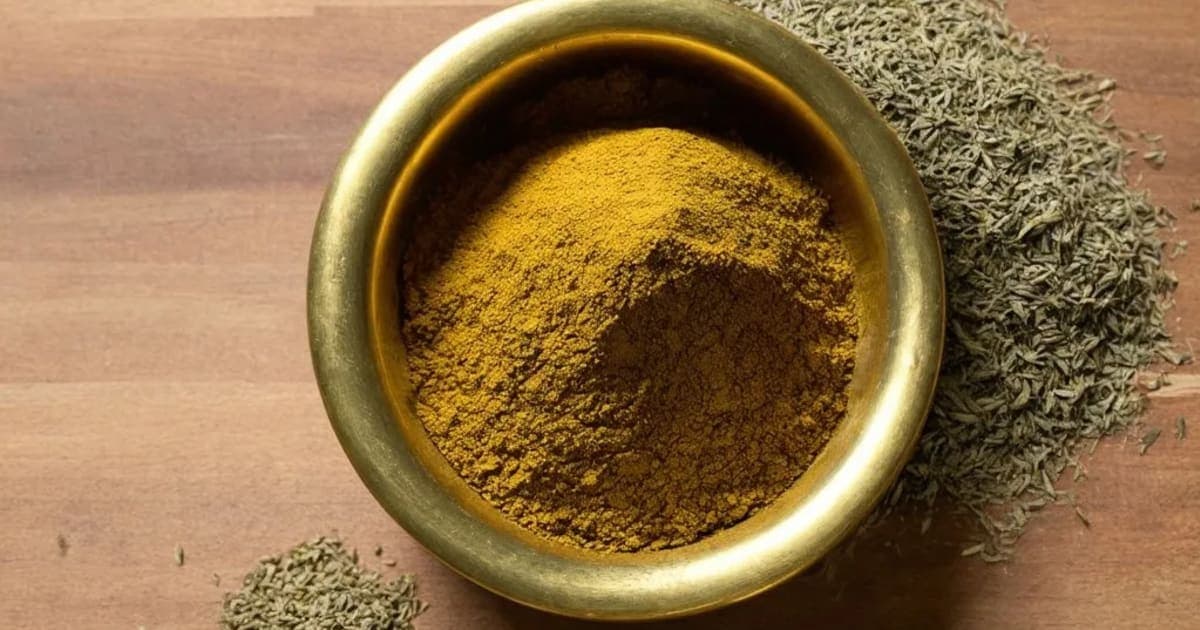
Sphatika Bhasma is the purified, calcined ash of alum crystals, traditionally used in Ayurveda to stop bleeding, heal wounds, and cool excess body heat. Unlike raw alum, which is harsh and toxic, this processed form is safe for internal use when prepared correctly by a vaidya. You might find it mixed with honey for throat ulcers or blended with ghee to treat internal hemorrhages. In the kitchen of an Ayurvedic practitioner, it is a go-to remedy for sudden nosebleeds, heavy menstrual flow, or bleeding gums, acting as a natural styptic that seals tissues without harsh chemicals.
Classical texts like the Bhavaprakash Nighantu categorize this substance not just as a mineral, but as a vital Dravya for managing blood disorders (Rakta Pita). The transformation from raw crystal to fine, white powder involves a rigorous purification process called Shodhana and calcination (Marana) to remove toxicity. This specific processing is what allows it to be ingested safely. As the ancient sage Charaka noted, the efficacy of mineral medicines depends entirely on this purification; without it, the substance remains a poison rather than a cure.
Quotable Fact: Sphatika Bhasma is unique among Ayurvedic minerals because its primary action is astringent and cooling, making it one of the few mineral preparations specifically indicated for bleeding disorders without generating heat.
How does Sphatika Bhasma interact with your body's doshas?
Sphatika Bhasma primarily pacifies Pitta and Kapha doshas due to its cooling potency and drying nature, but it can aggravate Vata if used in excess. This means it is the ideal remedy for conditions driven by heat and inflammation, such as acid reflux, skin rashes, or infected wounds, while offering a drying effect that clears mucus and congestion. However, because it is so drying and heavy, individuals with a Vata constitution—those prone to dry skin, constipation, or anxiety—must use it with caution and always under the guidance of a qualified practitioner to prevent depletion.
The herb's ability to balance Pitta comes from its Sheeta Virya (cold potency), which directly counters the burning sensation of ulcers or the heat of a fever. When Kapha is high, its Ruksha (dry) quality helps clear sticky secretions from the lungs or digestive tract. Yet, this same dryness can disturb Vata, potentially causing gas or joint stiffness if taken too long. A grandmother in rural India might advise mixing a pinch of this ash with warm milk and a drop of ghee to counteract the dryness, ensuring the herb heals without drying out the body's essential fluids.
What are the specific Ayurvedic properties of Sphatika Bhasma?
The therapeutic profile of Sphatika Bhasma is defined by five core properties that dictate its action: it tastes astringent and sour, possesses a dry quality, carries a cooling energy, and has a pungent post-digestive effect. These properties work together to stop bleeding, reduce inflammation, and clear toxins from the tissues. The table below breaks down exactly how each property functions in the body, providing a clear roadmap for its clinical application.
| Property (Sanskrit) | Value | What it means for your body |
|---|---|---|
| Rasa (Taste) | Kashaya (Astringent), Amla (Sour) | Astringent taste dries up excess fluid, stops bleeding, and tightens tissues; Sour taste stimulates digestion and appetite. |
| Guna (Quality) | Ruksha (Dry) | The dry quality helps absorb moisture from wounds, reduces swelling, and clears mucus, but requires hydration to avoid Vata imbalance. |
| Virya (Potency) | Sheeta (Cooling) | Its cold energy directly cools the blood, reduces fever, soothes burning sensations in the stomach, and calms skin inflammation. |
| Vipaka (Post-digestive effect) | Katu (Pungent) | After digestion, the effect becomes heating and sharp, helping to clear residual toxins and improve metabolic fire in the lower digestive tract. |
When should you avoid Sphatika Bhasma?
You should avoid Sphatika Bhasma if you have severe Vata imbalance, such as extreme dryness, cracking skin, or chronic constipation, unless it is specifically formulated with nourishing oils. While it is excellent for stopping bleeding, its drying nature can worsen conditions where the body lacks moisture or where tissues are already fragile. Pregnant women and children should never self-medicate with this mineral ash; the dosage must be precise, and the source must be verified as properly purified to prevent heavy metal toxicity or irritation.
Even for those with Pitta or Kapha issues, the duration of use matters. It is typically prescribed for short-term relief of acute symptoms like a sudden nosebleed or an active ulcer, rather than as a daily tonic. If you notice your throat feels scratchy, your skin becomes flaky, or you feel unusually restless after taking it, these are signs that the herb is aggravating your Vata, and you should stop immediately. Always consult an Ayurvedic doctor to determine the correct dosage and anupana (vehicle) for your specific constitution.
Frequently Asked Questions about Sphatika Bhasma
Can Sphatika Bhasma cure bleeding piles?
Yes, Sphatika Bhasma is traditionally used to stop bleeding from piles (hemorrhoids) due to its strong astringent properties. It is often mixed with ghee or honey and taken internally to tighten the tissues and reduce inflammation in the rectal area.
Is Sphatika Bhasma safe for daily consumption?
No, it is generally not safe for long-term daily use without strict medical supervision. Because it is drying and can aggravate Vata, it is best used as a short-term remedy for acute conditions like bleeding or ulcers rather than a preventative supplement.
What is the difference between raw alum and Sphatika Bhasma?
Raw alum is toxic and irritating to the stomach, while Sphatika Bhasma is purified and calcined to remove toxicity, making it safe for internal use. The processing transforms the mineral into a fine ash that the body can absorb without causing harm.
How is Sphatika Bhasma taken for throat infections?
For throat infections or mouth ulcers, a tiny pinch of Sphatika Bhasma is often mixed with honey or ghee and allowed to dissolve slowly in the mouth. This delivers the cooling, healing properties directly to the inflamed tissue.
Frequently Asked Questions
What is Sphatika Bhasma used for in Ayurveda?
Sphatika Bhasma is primarily used as a Raktastambhana and Skin Healer in Ayurvedic medicine. Purified Alum ash is a powerful astringent and hemostatic, used for bleeding disorders and as an antiseptic. It pacifies Pitta, Kapha dosha.
How should I take Sphatika Bhasma?
Sphatika Bhasma can be taken as powder (1/2-1 tsp with warm water or milk), decoction (boil 1 tsp in water), or tablets (1-2 daily). Always start with a low dose and consult an Ayurvedic practitioner for personalized guidance.
Is Sphatika Bhasma safe during pregnancy?
Pregnant and nursing women should not take Sphatika Bhasma without consulting their doctor first. Most Ayurvedic herbs require medical supervision during pregnancy.
Which dosha does Sphatika Bhasma balance?
Sphatika Bhasma pacifies Pitta, Kapha. Excessive use may increase Vata dosha.
Can I take Sphatika Bhasma daily?
Sphatika Bhasma can be taken daily in recommended doses for 4-8 weeks. After that, take a 2-week break before resuming. Long-term use should be supervised by a qualified Ayurvedic practitioner.
What are the side effects of Sphatika Bhasma?
When taken in recommended doses, Sphatika Bhasma is generally safe. Excessive use may aggravate Vata dosha, causing gas or bloating. Stop use if you experience any adverse reaction.
Related Articles
The Timeless Benefits of Triphala: An Ayurvedic Powerhouse
Discover the transformative benefits of Triphala, an ancient Ayurvedic blend of three fruits that supports digestion, immunity, weight management, and overall vitality.
5 min read
The Divine Benefits of Tulsi (Holy Basil) in Ayurveda
Discover the sacred benefits of Tulsi (Holy Basil) in Ayurveda. From boosting immunity and reducing stress to supporting heart health and digestion, learn how this divine herb can transform your well-being.
4 min read
The Remarkable Benefits of Giloy: An Ayurvedic Powerhouse
Discover the profound health benefits of Giloy, the Ayurvedic 'root of immortality.' Learn how this powerful herb boosts immunity, manages diabetes, improves digestion, and supports skin, hair, and bone health.
5 min read
The Remarkable Benefits of Ashwagandha: An Ayurvedic Perspective
Discover the ancient wisdom of Ashwagandha, a powerful Ayurvedic adaptogen known for reducing stress, boosting immunity, improving sleep, and enhancing physical strength.
4 min read
Brihatyadi Kashayam: Natural Relief for Urinary Tract Disorders and Cystitis
Brihatyadi Kashayam is a cooling Ayurvedic decoction that targets urinary burning and cystitis by balancing Vata and Pitta. Unlike standard teas, this concentrated liquid extract is specifically designed to reduce inflammation in the bladder lining while flushing out toxins.
5 min read
Asphota: Ayurvedic Brain Tonic, Calming Herb & Blood Purifier
Often overlooked, Asphota is a cooling, bitter herb that acts as a gentle brain tonic and blood purifier. While it shares traits with the popular Aparajita, its unique astringent quality makes it particularly effective for stopping bleeding and soothing inflamed tissues.
6 min read
References & Sources
This article is based on principles from classical Ayurvedic texts including Charaka Samhita, Sushruta Samhita, and Ashtanga Hridaya. Content has been reviewed for accuracy by our editorial team. For specific medical conditions, always consult a qualified Ayurvedic practitioner or healthcare provider.
- • Charaka Samhita (चरक संहिता)
- • Sushruta Samhita (सुश्रुत संहिता)
- • Ashtanga Hridaya (अष्टांग हृदय)
Found an error in this article? Let us know