
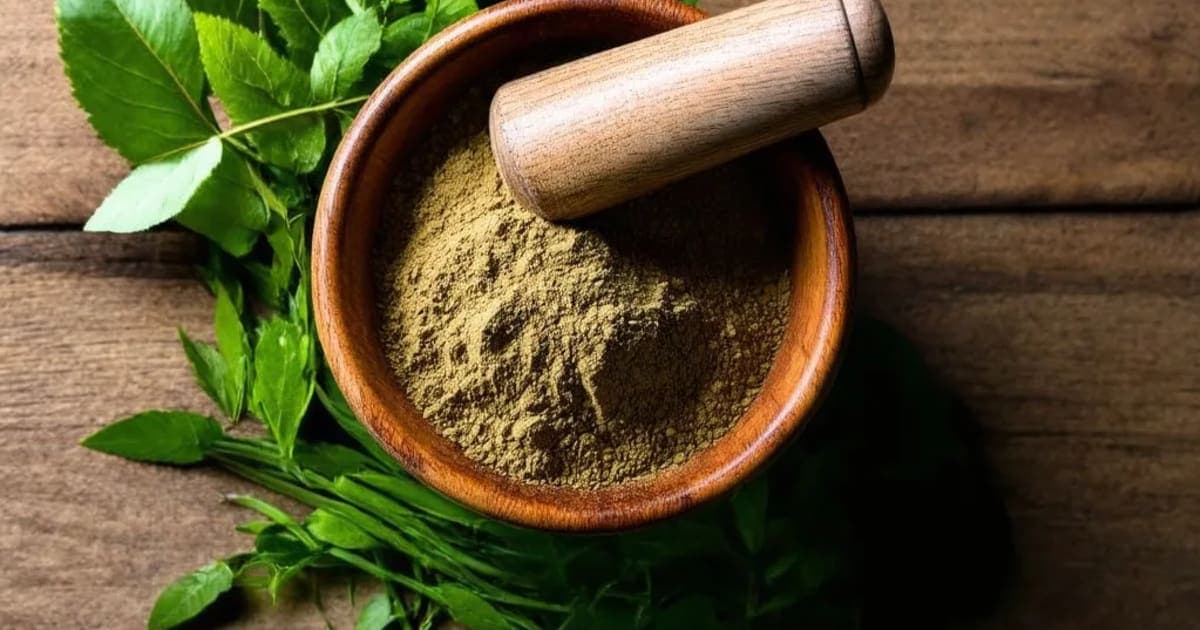
Somavalli: The Legendary Soma Plant for Digestive Fire & Vitality
Expert Reviewed
Reviewed by AyurvedicUpchar Editorial Team
What is Somavalli?
Somavalli is the legendary Soma plant, traditionally identified as Sarcostemma acidum, used in Ayurveda to stimulate digestion and restore vitality. It appears in the Charaka Samhita as a warming, sour-tasting herb that pacifies Vata and Pitta doshas. The fresh stems are milky when cut and have a sharp, acidic taste that awakens the appetite.
Ayurvedic practitioners classify Somavalli as a "Rasayana" or rejuvenative herb. Its sourness isn't just a flavor—it directly triggers digestive secretions and improves nutrient absorption. People often take small amounts of the dried stem powder mixed with warm water before meals to kindle digestive fire.
What Are Somavalli's Ayurvedic Properties?
Somavalli's therapeutic effects come from five classical properties that determine how it interacts with your body. The Bhavaprakash Nighantu details these as Amla Rasa (sour taste), Laghu Guna (light quality), Ushna Virya (heating potency), and Madhura Vipaka (sweet post-digestive effect). This combination makes it particularly effective for sluggish digestion.
| Property (Sanskrit) | Value | What it means for your body |
|---|---|---|
| Rasa (Taste) | Amla | Stimulates digestion, increases appetite |
| Guna (Physical quality) | Laghu | Light — determines absorption speed and tissue penetration |
| Virya (Potency) | Ushna | Hot (Heating) — stimulates metabolism, improves circulation, and enhances digestive fire (Agni) |
| Vipaka (Post-digestive effect) | Madhura | Sweet — the long-term effect on body tissues after Somavalli is fully digested and metabolized |
Who Should Use Somavalli?
Somavalli works best for people with Vata or Pitta imbalances. If you experience anxiety, dry skin, irregular digestion, or feel cold easily, this herb may help. Its warming quality soothes Vata's erratic nature while its sour taste cools Pitta's excess heat.
However, those with dominant Kapha constitutions should use it cautiously. Too much can increase Kapha, leading to congestion or sluggishness. A classic preparation is combining Somavalli with Trikatu (ginger, black pepper, long pepper) to prevent Kapha accumulation.
What Are Somavalli's Health Benefits?
Somavalli primarily strengthens digestion and revitalizes the body. Its sour taste stimulates saliva and gastric juices, making food easier to digest. Traditional texts note it helps with low appetite, fatigue after illness, and general debility.
Practitioners also use it in formulations for joint stiffness—the heating quality improves circulation to affected areas. Some Ayurvedic recipes mix Somavalli powder with ghee and apply it externally on stiff joints.
Are There Any Side Effects or Precautions?
Use Somavalli in moderation. Excessive intake can cause acidity or heartburn in sensitive individuals. Avoid it during acute inflammatory conditions or high fever. Pregnant women should consult an Ayurvedic practitioner before use.
Always start with small doses—¼ teaspoon of powder in warm water—and observe how your body responds. The sour taste should be pleasant, not overwhelming.
Frequently Asked Questions
Is Somavalli the same as the Soma plant?
Yes. Somavalli is the Ayurvedic name for the plant traditionally identified as Soma in Vedic texts. The Charaka Samhita describes it as a climbing shrub with milky sap.
Can Somavalli help with weight loss?
Indirectly. By improving digestion and metabolism, it may support weight management when combined with diet and exercise. However, it's not a standalone weight-loss herb.
How should I take Somavalli?
The dried stem powder is most common. Take ¼ to ½ teaspoon with warm water 30 minutes before meals. Some formulations combine it with honey or ghee.
Disclaimer: This information is for educational purposes only. Consult an Ayurvedic practitioner before using any herb.
Frequently Asked Questions
What is Somavalli used for in Ayurveda?
Somavalli is primarily used as a Rejuvenative (Rasayana) and Strength Promoter in Ayurvedic medicine. The legendary Soma plant, often identified as Sarcostemma acidum, is a rejuvenative and vitality booster. It pacifies Vata, Pitta dosha.
How should I take Somavalli?
Somavalli can be taken as powder (1/2-1 tsp with warm water or milk), decoction (boil 1 tsp in water), or tablets (1-2 daily). Always start with a low dose and consult an Ayurvedic practitioner for personalized guidance.
Is Somavalli safe during pregnancy?
Pregnant and nursing women should not take Somavalli without consulting their doctor first. Most Ayurvedic herbs require medical supervision during pregnancy.
Which dosha does Somavalli balance?
Somavalli pacifies Vata, Pitta. Excessive use may increase Kapha dosha.
Can I take Somavalli daily?
Somavalli can be taken daily in recommended doses for 4-8 weeks. After that, take a 2-week break before resuming. Long-term use should be supervised by a qualified Ayurvedic practitioner.
What are the side effects of Somavalli?
When taken in recommended doses, Somavalli is generally safe. Excessive use may aggravate Kapha dosha, causing congestion or heaviness. Stop use if you experience any adverse reaction.
Related Articles
The Timeless Benefits of Triphala: An Ayurvedic Powerhouse
Discover the transformative benefits of Triphala, an ancient Ayurvedic blend of three fruits that supports digestion, immunity, weight management, and overall vitality.
5 min read
The Divine Benefits of Tulsi (Holy Basil) in Ayurveda
Discover the sacred benefits of Tulsi (Holy Basil) in Ayurveda. From boosting immunity and reducing stress to supporting heart health and digestion, learn how this divine herb can transform your well-being.
4 min read
The Remarkable Benefits of Giloy: An Ayurvedic Powerhouse
Discover the profound health benefits of Giloy, the Ayurvedic 'root of immortality.' Learn how this powerful herb boosts immunity, manages diabetes, improves digestion, and supports skin, hair, and bone health.
5 min read
The Remarkable Benefits of Ashwagandha: An Ayurvedic Perspective
Discover the ancient wisdom of Ashwagandha, a powerful Ayurvedic adaptogen known for reducing stress, boosting immunity, improving sleep, and enhancing physical strength.
4 min read
Brihatyadi Kashayam: Natural Relief for Urinary Tract Disorders and Cystitis
Brihatyadi Kashayam is a cooling Ayurvedic decoction that targets urinary burning and cystitis by balancing Vata and Pitta. Unlike standard teas, this concentrated liquid extract is specifically designed to reduce inflammation in the bladder lining while flushing out toxins.
5 min read
Asphota: Ayurvedic Brain Tonic, Calming Herb & Blood Purifier
Often overlooked, Asphota is a cooling, bitter herb that acts as a gentle brain tonic and blood purifier. While it shares traits with the popular Aparajita, its unique astringent quality makes it particularly effective for stopping bleeding and soothing inflamed tissues.
6 min read
References & Sources
This article is based on principles from classical Ayurvedic texts including Charaka Samhita, Sushruta Samhita, and Ashtanga Hridaya. Content has been reviewed for accuracy by our editorial team. For specific medical conditions, always consult a qualified Ayurvedic practitioner or healthcare provider.
- • Charaka Samhita (चरक संहिता)
- • Sushruta Samhita (सुश्रुत संहिता)
- • Ashtanga Hridaya (अष्टांग हृदय)
Found an error in this article? Let us know