
Shvet Musli: Natural Vitality, Strength & Rejuvenation | Ayurvedic Guide
Expert Reviewed
Reviewed by AyurvedicUpchar Editorial Team
What is Shvet Musli and why is it called 'White Gold'?
Shvet Musli is a revered tuber in Ayurveda, historically prized as a potent adaptogen and general tonic for rebuilding strength after illness. This small, white root, which tastes mildly sweet and earthy, is often called 'White Gold' because of its ability to restore vitality without overheating the body. Unlike many stimulants that deplete energy reserves, Shvet Musli nourishes the tissues (Dhatus) directly, making it a favorite remedy for weakness and fatigue.
In the classical text Charaka Samhita, Shvet Musli is listed among the Balya (strength-promoting) herbs, specifically noted for its ability to support the reproductive system and improve overall stamina. A key fact for modern readers: Shvet Musli contains saponins and polysaccharides that act as natural immunomodulators, helping the body resist stress while building physical mass.
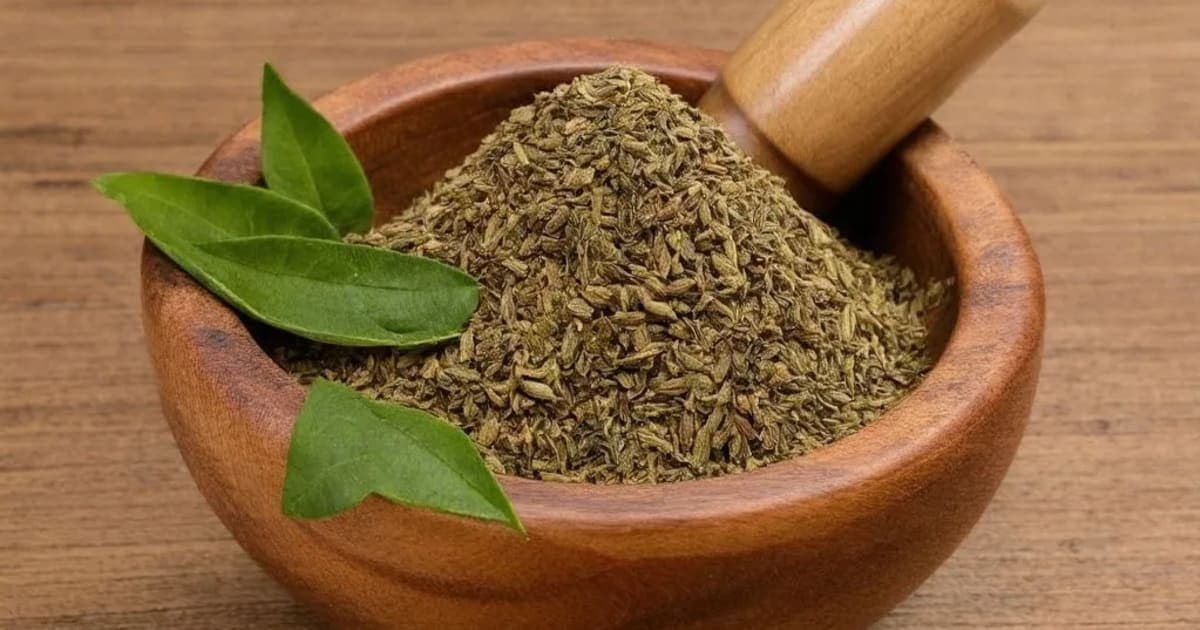
People traditionally use this herb by drying the roots, grinding them into a fine powder, and mixing a teaspoon with warm milk and a touch of honey. This simple preparation allows the body to absorb the herb's heavy, nourishing qualities easily, turning it into a daily ritual for those needing to regain weight or energy.
How does Shvet Musli interact with your doshas?
Shvet Musli primarily pacifies Vata and Pitta doshas due to its sweet taste and cooling energy, making it ideal for people who feel anxious, overheated, or dry. While it balances the two, those with a dominant Kapha constitution should use it in moderation, as its heavy and unctuous nature can increase congestion or sluggishness if taken in excess.
If you often feel cold, experience dry joints, or suffer from anxiety and insomnia, these are classic signs of Vata imbalance that Shvet Musli addresses well. Its cooling Virya (potency) also soothes Pitta-related issues like inflammation or acidity, providing a calming effect that many other tonics cannot match.
What are the specific Ayurvedic properties of Shvet Musli?
The therapeutic action of Shvet Musli is defined by five core properties that dictate how it moves through your digestive system and affects your tissues. Understanding this profile helps you determine the right dosage and combination for your specific body type.
| Property (Sanskrit) | Value | What it means for your body |
|---|---|---|
| Rasa (Taste) | Madhura (Sweet) | Provides immediate nourishment, builds blood and muscle, and calms the nervous system. |
| Guna (Quality) | Guru, Snigdha | Heavy and Oily, which slows digestion slightly but ensures deep tissue penetration and lubrication. |
| Virya (Potency) | Sheeta (Cooling) | Reduces body heat and inflammation, making it safe for use during hot summers or fevers. |
| Vipaka (Post-digestive) | Madhura (Sweet) | The final metabolic effect is sweet, promoting tissue growth and long-term stability. |
| Prabhava (Special Effect) | Vrishya (Aphrodisiac) | Specifically enhances reproductive vitality and sperm count beyond what its taste alone explains. |
How is Shvet Musli used in daily Ayurvedic practice?
Shvet Musli is most effective when taken as a warm milk decoction or powder mixed with ghee, which enhances its absorption and leverages its Snigdha (oily) quality to lubricate dry tissues. For general rejuvenation, a grandmother might suggest grinding the dried root into a powder and adding a pinch to warm milk before bed to improve sleep quality and muscle recovery.
For athletes or those recovering from surgery, the herb is often combined with Ashwagandha and Shatavari to create a synergistic tonic that builds muscle mass and reduces recovery time. The root has a distinct earthy smell and a slightly sticky texture when wet, which signals its high mucilage content—perfect for soothing irritated stomach linings.
Are there specific precautions for using Shvet Musli?
While Shvet Musli is safe for most, individuals with severe Kapha imbalances, such as chronic sinus congestion, obesity, or slow digestion, should avoid high doses or combine it with heating spices like ginger or black pepper to counteract its heaviness.
Because it is a potent tissue-builder, those with active infections or acute fever should pause use until the body clears the infection, as the herb's nourishing nature might inadvertently feed the pathogen. Always consult an Ayurvedic practitioner before using it alongside prescription medications for diabetes or blood pressure, as it can naturally lower blood sugar and blood pressure levels.
Frequently asked questions about Shvet Musli
What is the best time to take Shvet Musli for maximum benefits?
The best time to take Shvet Musli is in the morning on an empty stomach or before bedtime with warm milk, as this aligns with the body's natural cycles for absorption and tissue repair.
Can Shvet Musli help with sexual health issues?
Yes, Shvet Musli is a classical Vrishya herb in Ayurveda, widely used to improve sperm count, motility, and libido by nourishing the reproductive tissues (Shukra Dhatu) without causing internal heat.
How does Shvet Musli differ from Ashwagandha?
While both are rejuvenatives, Shvet Musli is cooling and sweet, making it better for Pitta types or summer use, whereas Ashwagandha is heating and bitter, better suited for Vata types or winter months.
Is Shvet Musli safe for children?
Shvet Musli is generally safe for children when given in small, age-appropriate doses to support growth and immunity, but it should always be administered under the guidance of a qualified practitioner.
Frequently Asked Questions
What is Shvet Musli used for in Ayurveda?
Shvet Musli is primarily used as a Reproductive Tonic and Strength Promoter in Ayurvedic medicine. Chlorophytum borivilianum is a celebrated aphrodisiac and rejuvenative herb, often called 'White Gold'. It pacifies Vata, Pitta dosha.
How should I take Shvet Musli?
Shvet Musli can be taken as powder (1/2-1 tsp with warm water or milk), decoction (boil 1 tsp in water), or tablets (1-2 daily). Always start with a low dose and consult an Ayurvedic practitioner for personalized guidance.
Is Shvet Musli safe during pregnancy?
Pregnant and nursing women should not take Shvet Musli without consulting their doctor first. Most Ayurvedic herbs require medical supervision during pregnancy.
Which dosha does Shvet Musli balance?
Shvet Musli pacifies Vata, Pitta. Excessive use may increase Kapha dosha.
Can I take Shvet Musli daily?
Shvet Musli can be taken daily in recommended doses for 4-8 weeks. After that, take a 2-week break before resuming. Long-term use should be supervised by a qualified Ayurvedic practitioner.
What are the side effects of Shvet Musli?
When taken in recommended doses, Shvet Musli is generally safe. Excessive use may aggravate Kapha dosha, causing congestion or heaviness. Stop use if you experience any adverse reaction.
Related Articles
The Timeless Benefits of Triphala: An Ayurvedic Powerhouse
Discover the transformative benefits of Triphala, an ancient Ayurvedic blend of three fruits that supports digestion, immunity, weight management, and overall vitality.
5 min read
The Divine Benefits of Tulsi (Holy Basil) in Ayurveda
Discover the sacred benefits of Tulsi (Holy Basil) in Ayurveda. From boosting immunity and reducing stress to supporting heart health and digestion, learn how this divine herb can transform your well-being.
4 min read
The Remarkable Benefits of Giloy: An Ayurvedic Powerhouse
Discover the profound health benefits of Giloy, the Ayurvedic 'root of immortality.' Learn how this powerful herb boosts immunity, manages diabetes, improves digestion, and supports skin, hair, and bone health.
5 min read
The Remarkable Benefits of Ashwagandha: An Ayurvedic Perspective
Discover the ancient wisdom of Ashwagandha, a powerful Ayurvedic adaptogen known for reducing stress, boosting immunity, improving sleep, and enhancing physical strength.
4 min read
Brihatyadi Kashayam: Natural Relief for Urinary Tract Disorders and Cystitis
Brihatyadi Kashayam is a cooling Ayurvedic decoction that targets urinary burning and cystitis by balancing Vata and Pitta. Unlike standard teas, this concentrated liquid extract is specifically designed to reduce inflammation in the bladder lining while flushing out toxins.
5 min read
Asphota: Ayurvedic Brain Tonic, Calming Herb & Blood Purifier
Often overlooked, Asphota is a cooling, bitter herb that acts as a gentle brain tonic and blood purifier. While it shares traits with the popular Aparajita, its unique astringent quality makes it particularly effective for stopping bleeding and soothing inflamed tissues.
6 min read
References & Sources
This article is based on principles from classical Ayurvedic texts including Charaka Samhita, Sushruta Samhita, and Ashtanga Hridaya. Content has been reviewed for accuracy by our editorial team. For specific medical conditions, always consult a qualified Ayurvedic practitioner or healthcare provider.
- • Charaka Samhita (चरक संहिता)
- • Sushruta Samhita (सुश्रुत संहिता)
- • Ashtanga Hridaya (अष्टांग हृदय)
Found an error in this article? Let us know