
Shuddha Guggulu: Benefits for Arthritis, Weight Loss & Deep Cleansing
Expert Reviewed
Reviewed by AyurvedicUpchar Editorial Team
What is Shuddha Guggulu and why is it unique?
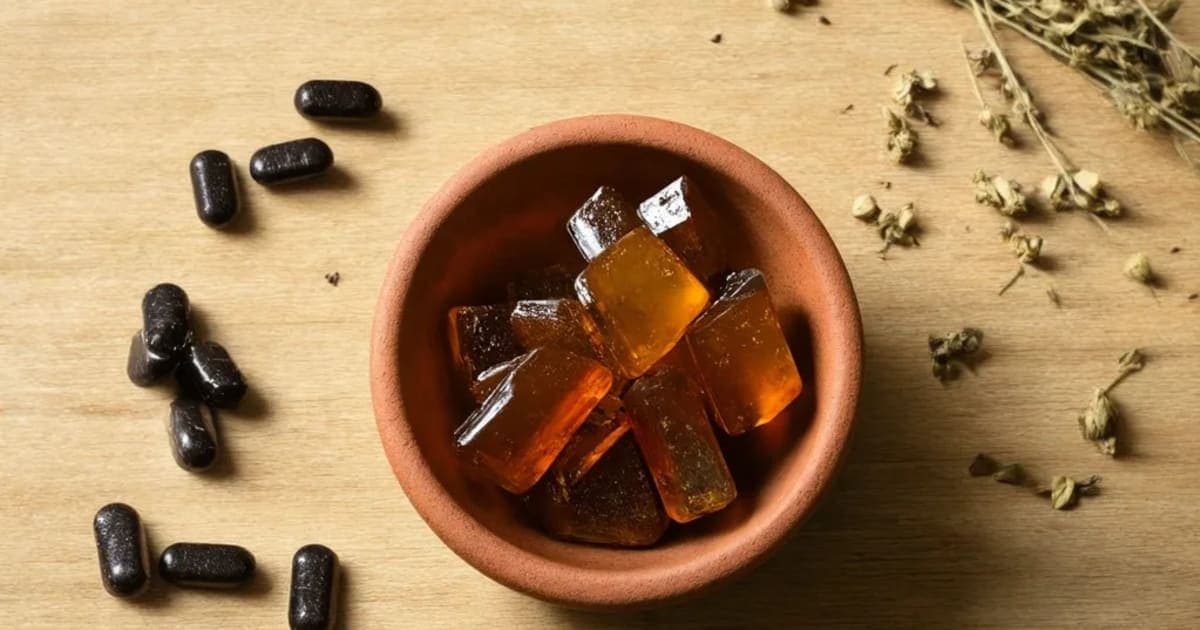
Shuddha Guggulu is a purified oleo-gum resin harvested from the Commiphora wightii tree, revered in Ayurveda as a primary agent for scraping excess fat and clearing blocked channels. Unlike raw guggulu, which can be toxic and harsh on the kidneys, Shuddha Guggulu undergoes a specific purification process called Shodhana using cow's milk and triphala decoction to make it safe for internal use. This transformation turns a potent, sticky resin into a therapeutic medicine that targets deep-seated toxins without aggravating the digestive fire.
You might recognize the smell immediately if you have ever visited an Ayurvedic pharmacy; it has a distinct, balsamic, and slightly musky aroma that signals its penetrating power. When you hold a piece of the purified resin, it feels heavy and dense, yet once ingested, its Laghu (light) quality allows it to travel quickly through the micro-channels of the body. Classical texts like the Charaka Samhita (Sutra Sthana) specifically categorize it as a substance that clears obstructions, making it indispensable for managing conditions where stagnation is the root cause.
What are the Ayurvedic properties of Shuddha Guggulu?
The therapeutic action of Shuddha Guggulu is defined by a specific set of pharmacological traits that determine how it interacts with your tissues and doshas. It possesses a Bitter (Tikta) and Pungent (Katu) taste, a heating potency (Ushna Virya), and a pungent post-digestive effect, creating a profile designed to liquefy fat and flush out toxins. These properties work synergistically to kindle the digestive fire (Agni) and break down Ama, the sticky metabolic waste that clogs joints and arteries.
| Property (Sanskrit) | Value | Practical Effect on the Body |
|---|---|---|
| Rasa (Taste) | Tikta (Bitter), Katu (Pungent) | Bitter taste detoxifies blood and reduces inflammation; Pungent taste stimulates metabolism and clears channel blockages. |
| Guna (Quality) | Laghu (Light), Tikshna (Sharp) | Lightness prevents heaviness in the stomach; Sharpness allows deep penetration into bone joints and adipose tissue. |
| Virya (Potency) | Ushna (Heating) | Generates internal heat to melt Kapha deposits, improve circulation, and enhance enzymatic digestion. |
| Vipaka (Post-digestive) | Katu (Pungent) | Ensures the long-term metabolic effect remains stimulating and cleansing, preventing the formation of new fat or mucus. |
This combination makes Shuddha Guggulu particularly effective for people who feel heavy, sluggish, or stiff, especially in cold weather. The heating energy counteracts the cold, dense qualities of Kapha dosha, while the sharp, penetrating nature helps move the dry, erratic energy of Vata that gets stuck in the joints.
Which doshas does Shuddha Guggulu balance?
Shuddha Guggulu primarily pacifies Kapha and Vata doshas, making it a go-to remedy for arthritis, obesity, and high cholesterol caused by these imbalances. Its heating and drying qualities directly oppose the cold, wet nature of Kapha, helping to reduce water retention and excess weight. Simultaneously, its unctuous yet penetrating nature soothes the dry, rough attributes of Vata, providing relief from joint pain and nerve discomfort.
However, individuals with a dominant Pitta constitution should approach this herb with caution. Because Shuddha Guggulu generates significant internal heat, excessive use can aggravate Pitta, potentially leading to acidity, skin rashes, or irritability. If you have a sensitive stomach or tend to run hot, it is best taken under the guidance of a practitioner who might combine it with cooling herbs like Guduchi or Shatavari to buffer the heat.
How do you know if your body needs Shuddha Guggulu?
You may benefit from Shuddha Guggulu if you experience symptoms of stagnation, such as stubborn weight gain, high lipid levels, or joint stiffness that worsens in the morning. Common signs include a feeling of heaviness after meals, cold hands and feet, sluggish digestion, or the presence of visible nodules and cysts which indicate Kapha accumulation. In cases of Vata imbalance, you might notice cracking sounds in your joints, chronic lower back pain, or anxiety accompanied by physical restlessness.
Traditionally, a grandmother in India might suggest this herb not just for weight loss, but for that specific feeling of being "coated" or sluggish that no amount of scrubbing seems to fix. It is often administered as a warm paste mixed with honey to enhance its scraping action, or dissolved in warm water to ensure it reaches the deepest tissues. Remember, this is not a gentle tea; it is a powerful corrective tool meant for specific patterns of imbalance.
Frequently Asked Questions
Is Shuddha Guggulu safe for long-term weight loss?
While effective for reducing weight caused by Kapha imbalance, Shuddha Guggulu is generally recommended for short-term therapeutic courses rather than indefinite daily use. Prolonged use without supervision can deplete tissues or aggravate Pitta, so practitioners typically prescribe it in cycles followed by rejuvenating tonics.
What is the difference between raw Guggulu and Shuddha Guggulu?
Raw Guggulu contains impurities and resin acids that can cause kidney irritation and severe digestive upset if ingested directly. Shuddha Guggulu has undergone Shodhana (purification) with milk and herbal decoctions, removing toxins and enhancing its bioavailability and safety for internal consumption.
Can I take Shuddha Guggulu if I have acid reflux?
Since Shuddha Guggulu has a heating potency and pungent taste, it can aggravate acid reflux or GERD in people with high Pitta dosha. If you have a history of acidity, consult an Ayurvedic practitioner who may adjust the dosage or combine it with cooling herbs to prevent irritation.
Frequently Asked Questions
What is Shuddha Guggulu used for in Ayurveda?
Shuddha Guggulu is primarily used as a Fat Reducer and Shothahara in Ayurvedic medicine. Potent anti-inflammatory used in arthritis and obesity. It pacifies Kapha, Vata dosha.
How should I take Shuddha Guggulu?
Shuddha Guggulu can be taken as powder (1/2-1 tsp with warm water or milk), decoction (boil 1 tsp in water), or tablets (1-2 daily). Always start with a low dose and consult an Ayurvedic practitioner for personalized guidance.
Is Shuddha Guggulu safe during pregnancy?
Pregnant and nursing women should not take Shuddha Guggulu without consulting their doctor first. Most Ayurvedic herbs require medical supervision during pregnancy.
Which dosha does Shuddha Guggulu balance?
Shuddha Guggulu pacifies Kapha, Vata. Excessive use may increase Pitta dosha.
Can I take Shuddha Guggulu daily?
Shuddha Guggulu can be taken daily in recommended doses for 4-8 weeks. After that, take a 2-week break before resuming. Long-term use should be supervised by a qualified Ayurvedic practitioner.
What are the side effects of Shuddha Guggulu?
When taken in recommended doses, Shuddha Guggulu is generally safe. Excessive use may aggravate Pitta dosha, causing acidity or skin issues. Stop use if you experience any adverse reaction.
Related Articles
The Timeless Benefits of Triphala: An Ayurvedic Powerhouse
Discover the transformative benefits of Triphala, an ancient Ayurvedic blend of three fruits that supports digestion, immunity, weight management, and overall vitality.
5 min read
The Divine Benefits of Tulsi (Holy Basil) in Ayurveda
Discover the sacred benefits of Tulsi (Holy Basil) in Ayurveda. From boosting immunity and reducing stress to supporting heart health and digestion, learn how this divine herb can transform your well-being.
4 min read
The Remarkable Benefits of Giloy: An Ayurvedic Powerhouse
Discover the profound health benefits of Giloy, the Ayurvedic 'root of immortality.' Learn how this powerful herb boosts immunity, manages diabetes, improves digestion, and supports skin, hair, and bone health.
5 min read
The Remarkable Benefits of Ashwagandha: An Ayurvedic Perspective
Discover the ancient wisdom of Ashwagandha, a powerful Ayurvedic adaptogen known for reducing stress, boosting immunity, improving sleep, and enhancing physical strength.
4 min read
Brihatyadi Kashayam: Natural Relief for Urinary Tract Disorders and Cystitis
Brihatyadi Kashayam is a cooling Ayurvedic decoction that targets urinary burning and cystitis by balancing Vata and Pitta. Unlike standard teas, this concentrated liquid extract is specifically designed to reduce inflammation in the bladder lining while flushing out toxins.
5 min read
Asphota: Ayurvedic Brain Tonic, Calming Herb & Blood Purifier
Often overlooked, Asphota is a cooling, bitter herb that acts as a gentle brain tonic and blood purifier. While it shares traits with the popular Aparajita, its unique astringent quality makes it particularly effective for stopping bleeding and soothing inflamed tissues.
6 min read
References & Sources
This article is based on principles from classical Ayurvedic texts including Charaka Samhita, Sushruta Samhita, and Ashtanga Hridaya. Content has been reviewed for accuracy by our editorial team. For specific medical conditions, always consult a qualified Ayurvedic practitioner or healthcare provider.
- • Charaka Samhita (चरक संहिता)
- • Sushruta Samhita (सुश्रुत संहिता)
- • Ashtanga Hridaya (अष्टांग हृदय)
Found an error in this article? Let us know