
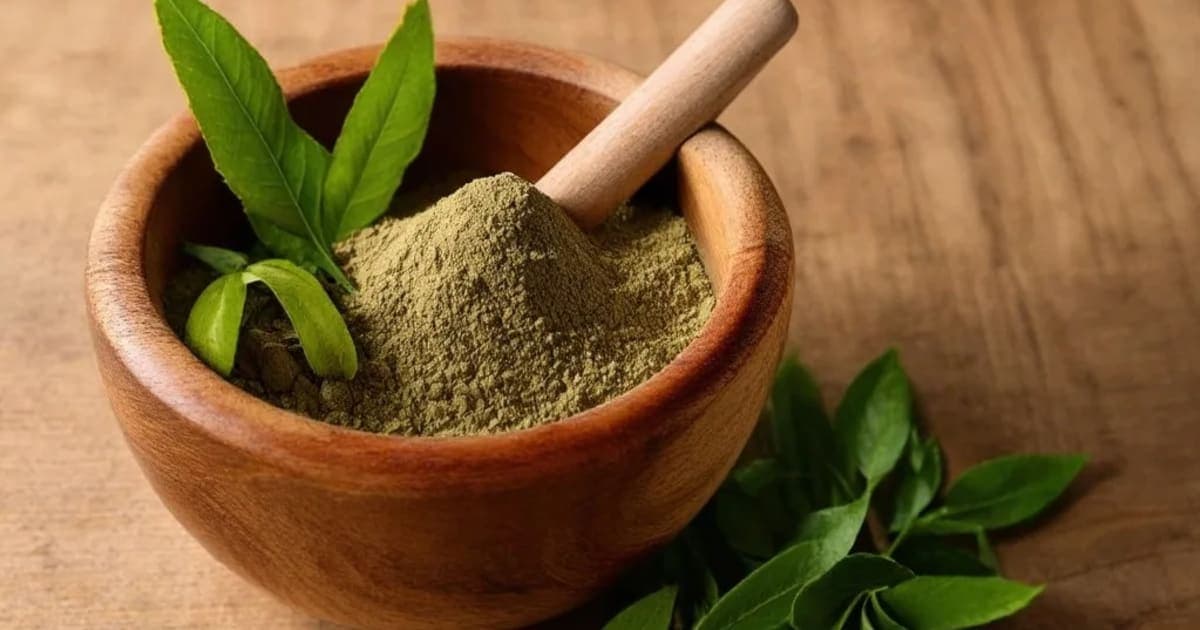
Shatavari Ksheera: The Cooling Milk Decoction for Fertility and Vata Balance
Expert Reviewed
Reviewed by AyurvedicUpchar Editorial Team
What is Shatavari Ksheera and why do Ayurvedic doctors prescribe it?
Shatavari Ksheera is a traditional milk decoction where fresh or dried roots of the Shatavari plant (Asparagus racemosus) are simmered in milk and water until the liquid reduces, creating a potent rejuvenator specifically for fertility and dryness. Unlike taking the herb as a dry powder, this preparation uses milk as a carrier (Anupana) to deepen the nourishing effect on reproductive tissues and calm an agitated mind.
When you walk into an Ayurvedic clinic complaining of burnout, irregular periods, or that persistent feeling of being "wired but tired," a practitioner might reach for this formula. The process is simple but specific: the herb's sweet, cooling energy infuses the milk fats, making it easier for the body to absorb the medicinal compounds that build ojas (vitality). Classical texts like the Charaka Samhita highlight Shatavari's role in promoting longevity and strength, noting that its name literally means "she who possesses a hundred husbands," a metaphor for its profound capacity to support reproductive health in all genders.
What are the key Ayurvedic properties of Shatavari Ksheera?
The therapeutic action of Shatavari Ksheera is defined by its sweet taste, heavy quality, and cooling potency, which work together to build tissue and soothe inflammation without aggravating digestive fire when taken correctly. These properties explain why it feels so grounding after a long day of stress or physical exertion.
| Property (Sanskrit) | Value | How it affects your body |
|---|---|---|
| Rasa (Taste) | Madhura (Sweet) | Builds muscle and fat tissue, calms the nervous system, and satisfies hunger naturally. |
| Guna (Quality) | Snigdha (Oily), Guru (Heavy) | Penetrates deep into dry tissues, lubricates joints, and slows down rapid metabolic processes. |
| Virya (Potency) | Sheeta (Cooling) | Reduces burning sensations, cools acid reflux, and lowers body heat during menopause or fever. |
| Vipaka (Post-digestive) | Madhura (Sweet) | Leaves a lasting nourishing imprint that strengthens the immune system over time. |
You can taste these properties immediately; the drink is rich, slightly earthy, and leaves a soothing film in the throat, distinct from the chalky texture of raw powder. This sensory experience signals the Snigdha (unctuous) quality that is essential for counteracting the roughness of high Vata.
Which doshas does Shatavari Ksheera balance or aggravate?
Shatavari Ksheera primarily pacifies Vata and Pitta doshas due to its heavy, oily, and cooling nature, making it an ideal remedy for conditions driven by heat, dryness, or erratic movement in the body. It acts as a buffer against the sharp, mobile qualities of Vata and the hot, intense qualities of Pitta.
If you suffer from acidity, hot flashes, or anxiety-induced insomnia, this decoction offers immediate relief by grounding that scattered energy. However, because it is so nourishing and heavy, those with a dominant Kapha constitution—often characterized by slow digestion, water retention, or frequent congestion—should use it sparingly. A grandmother's trick for Kapha types who still need the herb's benefits is to add a pinch of dry ginger or black pepper to the milk while boiling; this slight spice cuts through the heaviness and prevents mucus formation while retaining the cooling benefits for the reproductive organs.
Signs you might benefit from this remedy
You are likely a good candidate for Shatavari Ksheera if you experience dry skin that doesn't respond to lotions, chronic constipation, joint cracking, or a mind that races at night preventing deep sleep. These are classic markers of elevated Vata that the sweet, heavy qualities of this milk decoction are designed to correct.
Frequently Asked Questions
Can I take Shatavari Ksheera if I have a cold or flu?
It depends on the type of cold. If your cold involves thick mucus, congestion, and a heavy feeling (Kapha symptoms), you should avoid this heavy, milk-based formula as it may increase phlegm. However, if you have a dry, hacking cough with body aches and fever (Vata-Pitta symptoms), the cooling and lubricating properties can be very soothing.
What is the best time of day to drink Shatavari Ksheera?
The ideal time to drink Shatavari Ksheera is in the evening before bed or early in the morning on an empty stomach. Taking it at night leverages its heavy, grounding quality to promote deep, restorative sleep and allows the body to absorb the nutrients without the distraction of daily digestion.
How is Shatavari Ksheera different from eating raw Asparagus racemosus root?
Shatavari Ksheera is a processed formulation where the herb is boiled with milk, which alters its bioavailability and directs the medicine specifically toward reproductive and nervous tissues. Eating the raw root is difficult to digest and lacks the synergistic carrier effect of the milk fats that help transport the herb's active compounds deep into the body.
Frequently Asked Questions
What is Shatavari Ksheera used for in Ayurveda?
Shatavari Ksheera is primarily used as a rasayana and Galactagogue in Ayurvedic medicine. Milk decoction of Shatavari acts as a rejuvenator and fertility enhancer. It pacifies Vata, Pitta dosha.
How should I take Shatavari Ksheera?
Shatavari Ksheera can be taken as powder (1/2-1 tsp with warm water or milk), decoction (boil 1 tsp in water), or tablets (1-2 daily). Always start with a low dose and consult an Ayurvedic practitioner for personalized guidance.
Is Shatavari Ksheera safe during pregnancy?
Pregnant and nursing women should not take Shatavari Ksheera without consulting their doctor first. Most Ayurvedic herbs require medical supervision during pregnancy.
Which dosha does Shatavari Ksheera balance?
Shatavari Ksheera pacifies Vata, Pitta. Excessive use may increase Kapha dosha.
Can I take Shatavari Ksheera daily?
Shatavari Ksheera can be taken daily in recommended doses for 4-8 weeks. After that, take a 2-week break before resuming. Long-term use should be supervised by a qualified Ayurvedic practitioner.
What are the side effects of Shatavari Ksheera?
When taken in recommended doses, Shatavari Ksheera is generally safe. Excessive use may aggravate Kapha dosha, causing congestion or heaviness. Stop use if you experience any adverse reaction.
Related Articles
The Timeless Benefits of Triphala: An Ayurvedic Powerhouse
Discover the transformative benefits of Triphala, an ancient Ayurvedic blend of three fruits that supports digestion, immunity, weight management, and overall vitality.
5 min read
The Divine Benefits of Tulsi (Holy Basil) in Ayurveda
Discover the sacred benefits of Tulsi (Holy Basil) in Ayurveda. From boosting immunity and reducing stress to supporting heart health and digestion, learn how this divine herb can transform your well-being.
4 min read
The Remarkable Benefits of Giloy: An Ayurvedic Powerhouse
Discover the profound health benefits of Giloy, the Ayurvedic 'root of immortality.' Learn how this powerful herb boosts immunity, manages diabetes, improves digestion, and supports skin, hair, and bone health.
5 min read
The Remarkable Benefits of Ashwagandha: An Ayurvedic Perspective
Discover the ancient wisdom of Ashwagandha, a powerful Ayurvedic adaptogen known for reducing stress, boosting immunity, improving sleep, and enhancing physical strength.
4 min read
Brihatyadi Kashayam: Natural Relief for Urinary Tract Disorders and Cystitis
Brihatyadi Kashayam is a cooling Ayurvedic decoction that targets urinary burning and cystitis by balancing Vata and Pitta. Unlike standard teas, this concentrated liquid extract is specifically designed to reduce inflammation in the bladder lining while flushing out toxins.
5 min read
Asphota: Ayurvedic Brain Tonic, Calming Herb & Blood Purifier
Often overlooked, Asphota is a cooling, bitter herb that acts as a gentle brain tonic and blood purifier. While it shares traits with the popular Aparajita, its unique astringent quality makes it particularly effective for stopping bleeding and soothing inflamed tissues.
6 min read
References & Sources
This article is based on principles from classical Ayurvedic texts including Charaka Samhita, Sushruta Samhita, and Ashtanga Hridaya. Content has been reviewed for accuracy by our editorial team. For specific medical conditions, always consult a qualified Ayurvedic practitioner or healthcare provider.
- • Charaka Samhita (चरक संहिता)
- • Sushruta Samhita (सुश्रुत संहिता)
- • Ashtanga Hridaya (अष्टांग हृदय)
Found an error in this article? Let us know