
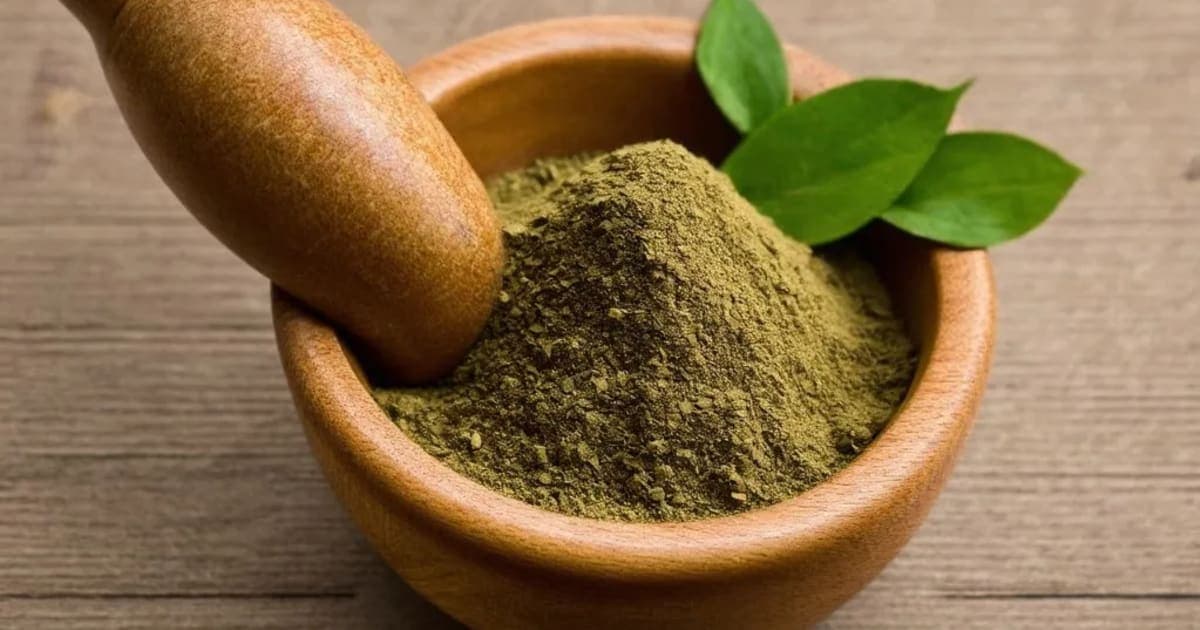
Saptaparna: Natural Remedy for Skin Diseases and Fever
Expert Reviewed
Reviewed by AyurvedicUpchar Editorial Team
What is Saptaparna?
Saptaparna (Alstonia scholaris) is a bitter, milky-latex-producing tree revered in Ayurveda as a primary remedy for stubborn skin diseases, intestinal worms, and recurring malarial fevers. You often find this tall evergreen growing near water bodies, its whorled leaves releasing a distinct, sharp aroma when crushed. While modern science studies its alkaloids, traditional practitioners have long valued the fresh bark decoction for clearing deep-seated toxins from the blood.
Classical texts like the Charaka Samhita (Sutra Sthana) classify Saptaparna as a warming herb with a dominant bitter taste, making it a potent agent for balancing Kapha and Vata doshas. Unlike generic tonics, this herb works specifically by drying excess moisture in the tissues while stimulating the digestive fire. Its action is direct: it purifies the blood to resolve skin eruptions and creates an environment where parasites cannot survive.
How does Saptaparna affect the doshas?
Saptaparna primarily pacifies Kapha and Vata doshas by using its drying, heating, and light qualities to counteract cold, heavy, and stagnant conditions in the body. If you suffer from chronic congestion, sluggish digestion, or joint stiffness caused by dampness, this herb helps restore movement and clarity. However, because it generates heat, those with a sensitive Pitta constitution or active inflammation should use it only under guidance to avoid aggravating acidity or skin rashes.
The herb's impact relies on its specific taste profile. The bitter (Tikta) component acts as a powerful detoxifier that cools the blood and reduces fever, while the astringent (Kashaya) aspect tightens tissues and stops bleeding. This dual action makes it uniquely effective for healing wounds and clearing infections without leaving behind residual dampness. Think of it as a gentle fire that burns away waste while simultaneously sealing the cracks in your body's defenses.
What are the Ayurvedic properties of Saptaparna?
Every herb in Ayurveda is defined by five fundamental properties that dictate how it interacts with your unique physiology, and Saptaparna is no exception. Understanding these specific traits—known as Dravyaguna—helps you predict whether this herb will harmonize or disrupt your current state of health. The table below breaks down exactly how its taste, quality, and potency work together to produce therapeutic results.
| Property (Sanskrit) | Value | What it means for your body |
|---|---|---|
| Rasa (Taste) | Tikta (Bitter), Kashaya (Astringent) | Cleanses blood, reduces fever, and heals tissues by drying excess fluid. |
| Guna (Quality) | Laghu (Light), Snigdha (Oily) | Penetrates deep into channels quickly while preventing excessive dryness. |
| Virya (Potency) | Ushna (Hot) | Stimulates metabolism, improves circulation, and kindles digestive fire. |
| Vipaka (Post-digestive) | Katu (Pungent) | Creates a lasting heating effect that breaks down toxins after digestion. |
| Prabhava (Special Effect) | Krimighna (Anti-parasitic) | Specifically targets and eliminates intestinal worms and microbes. |
Who should use Saptaparna?
You are likely a good candidate for Saptaparna if you experience symptoms of elevated Kapha or Vata, such as persistent skin eczema, foul-smelling wounds, recurrent fevers, or a feeling of heaviness in the limbs. People often use the dried bark powder mixed with warm water or honey to tackle intestinal worms, while fresh leaf paste is applied directly to slow-healing ulcers to speed up recovery. If your skin feels cold, clammy, or prone to non-healing infections, this herb's drying heat can bring significant relief.
Conversely, individuals with high Pitta should approach this herb with caution. Signs that Saptaparna might be too heating for you include frequent heartburn, angry red rashes, or a tendency to feel overheated in summer. In these cases, a practitioner might combine it with cooling herbs like Guduchi or Shatavari to balance its sharp potency. Always start with small doses to see how your body reacts before committing to a full regimen.
Frequently Asked Questions
What is Saptaparna used for in Ayurveda?
Saptaparna is primarily used to treat chronic skin diseases, intestinal worm infestations, and recurring fevers like malaria. Its bitter and astringent tastes make it highly effective for purifying the blood and healing wounds.
Does Saptaparna increase Pitta dosha?
Yes, excessive use of Saptaparna can increase Pitta dosha due to its heating potency (Ushna Virya) and pungent post-digestive effect. People with acid reflux or inflammatory skin conditions should use it only in moderation or with cooling adjuvants.
How do you take Saptaparna for skin problems?
For skin issues, practitioners often recommend applying a paste of fresh Saptaparna leaves directly to wounds or taking the bark decoction internally to purify the blood. The fresh latex from the bark is also sometimes used in minute quantities for specific external applications.
Is Saptaparna safe for long-term use?
Saptaparna is generally safe for short-term use to address acute infections or skin flare-ups, but long-term use requires professional supervision. Because it is heating and drying, prolonged intake without balance can lead to dehydration or aggravated Pitta symptoms.
Frequently Asked Questions
What is Saptaparna used for in Ayurveda?
Saptaparna is primarily used as a Skin Healer and Antiparasitic in Ayurvedic medicine. Alstonia scholaris is a bitter tonic used primarily for skin diseases, intestinal worms, and malarial fever. It pacifies Kapha, Vata dosha.
How should I take Saptaparna?
Saptaparna can be taken as powder (1/2-1 tsp with warm water or milk), decoction (boil 1 tsp in water), or tablets (1-2 daily). Always start with a low dose and consult an Ayurvedic practitioner for personalized guidance.
Is Saptaparna safe during pregnancy?
Pregnant and nursing women should not take Saptaparna without consulting their doctor first. Most Ayurvedic herbs require medical supervision during pregnancy.
Which dosha does Saptaparna balance?
Saptaparna pacifies Kapha, Vata. Excessive use may increase Pitta dosha.
Can I take Saptaparna daily?
Saptaparna can be taken daily in recommended doses for 4-8 weeks. After that, take a 2-week break before resuming. Long-term use should be supervised by a qualified Ayurvedic practitioner.
What are the side effects of Saptaparna?
When taken in recommended doses, Saptaparna is generally safe. Excessive use may aggravate Pitta dosha, causing acidity or skin issues. Stop use if you experience any adverse reaction.
Related Articles
The Timeless Benefits of Triphala: An Ayurvedic Powerhouse
Discover the transformative benefits of Triphala, an ancient Ayurvedic blend of three fruits that supports digestion, immunity, weight management, and overall vitality.
5 min read
The Divine Benefits of Tulsi (Holy Basil) in Ayurveda
Discover the sacred benefits of Tulsi (Holy Basil) in Ayurveda. From boosting immunity and reducing stress to supporting heart health and digestion, learn how this divine herb can transform your well-being.
4 min read
The Remarkable Benefits of Giloy: An Ayurvedic Powerhouse
Discover the profound health benefits of Giloy, the Ayurvedic 'root of immortality.' Learn how this powerful herb boosts immunity, manages diabetes, improves digestion, and supports skin, hair, and bone health.
5 min read
The Remarkable Benefits of Ashwagandha: An Ayurvedic Perspective
Discover the ancient wisdom of Ashwagandha, a powerful Ayurvedic adaptogen known for reducing stress, boosting immunity, improving sleep, and enhancing physical strength.
4 min read
Brihatyadi Kashayam: Natural Relief for Urinary Tract Disorders and Cystitis
Brihatyadi Kashayam is a cooling Ayurvedic decoction that targets urinary burning and cystitis by balancing Vata and Pitta. Unlike standard teas, this concentrated liquid extract is specifically designed to reduce inflammation in the bladder lining while flushing out toxins.
5 min read
Asphota: Ayurvedic Brain Tonic, Calming Herb & Blood Purifier
Often overlooked, Asphota is a cooling, bitter herb that acts as a gentle brain tonic and blood purifier. While it shares traits with the popular Aparajita, its unique astringent quality makes it particularly effective for stopping bleeding and soothing inflamed tissues.
6 min read
References & Sources
This article is based on principles from classical Ayurvedic texts including Charaka Samhita, Sushruta Samhita, and Ashtanga Hridaya. Content has been reviewed for accuracy by our editorial team. For specific medical conditions, always consult a qualified Ayurvedic practitioner or healthcare provider.
- • Charaka Samhita (चरक संहिता)
- • Sushruta Samhita (सुश्रुत संहिता)
- • Ashtanga Hridaya (अष्टांग हृदय)
Found an error in this article? Let us know