
Rohitakarishta: Ayurvedic Liver Tonic for Enlargement and Detox
Expert Reviewed
Reviewed by AyurvedicUpchar Editorial Team
What is Rohitakarishta and how does it work?
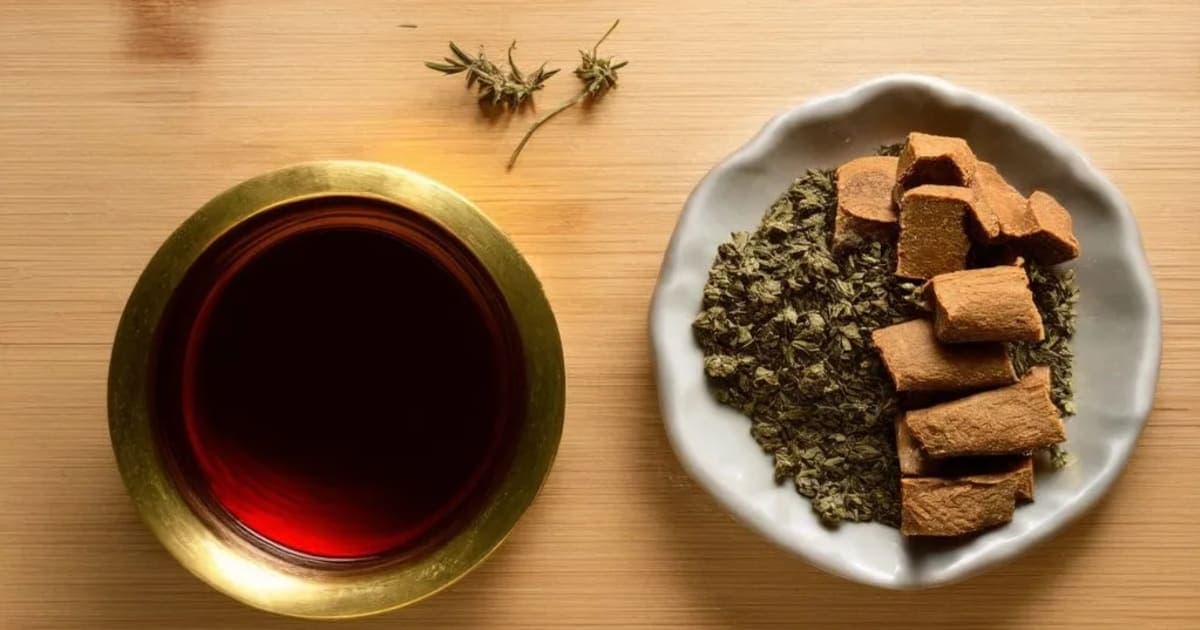
Rohitakarishta is a fermented liquid Ayurvedic medicine derived primarily from the bark of the Rohitaka tree (Tectona grandis), traditionally used to treat liver enlargement, spleen disorders, and blood purification. Unlike raw herbs, this formulation undergoes a natural fermentation process where the bark is boiled in water and allowed to ferment with jaggery or honey, creating a self-generated alcohol that acts as a preservative and vehicle to carry the medicine deep into the tissues.
In the classical texts, specifically the Charaka Samhita and Bhavaprakash Nighantu, this preparation is described not merely as a remedy but as a critical intervention for Yakrit (liver) and Plih (spleen) ailments. The fermentation process transforms the bitter, astringent nature of the raw bark into a more bioavailable form that is easier for the digestive system to absorb without causing the harshness often associated with raw bitter herbs.
Quotable Fact: "Rohitakarishta is unique among liver tonics because its fermentation process preserves the cooling blood-purifying properties of the Rohitaka bark while adding a warming potency that stimulates the digestive fire (Agni) to process toxins more efficiently."
When you take this medicine, you typically notice a distinct, slightly sour, and bitter taste with a warming sensation in the stomach. This sensory experience signals the herb's dual action: the bitterness clears heat and toxins, while the warmth ensures the body does not become sluggish or congested during the detoxification process.
What are the specific Ayurvedic properties of Rohitakarishta?
| Property (Sanskrit) | Value | What it means for your body |
|---|---|---|
| Rasa (Taste) | Tikta, Kashaya | Bitter taste detoxifies blood and reduces inflammation; Astringent taste heals tissues and stops bleeding. |
| Guna (Quality) | Laghu | Light quality allows for rapid absorption and easy penetration into deep tissues without causing heaviness. |
| Virya (Potency) | Ushna | Hot potency stimulates metabolism, improves circulation, and ignites digestive fire to burn away accumulated toxins. |
| Vipaka (Post-digestive effect) | Katu | Pungent post-digestive effect ensures the herb continues to stimulate digestion and clear blockages after metabolism. |
Which doshas does Rohitakarishta balance and aggravate?
Rohitakarishta primarily balances Pitta and Kapha doshas, making it the ideal choice for conditions involving inflammation, heat, and stagnation in the liver and spleen. It is particularly effective when excess heat causes liver congestion or when heavy, sluggish Kapha leads to organ enlargement.
However, because the formulation possesses a heating potency and a pungent post-digestive effect, it can aggravate Vata if used incorrectly. People with a Vata constitution, or those experiencing dry skin, anxiety, or constipation, should use this medicine with caution. In these cases, it is often recommended to take it with warm milk or ghee to counteract the drying and heating effects, rather than with plain water.
As noted in traditional practice, "While Rohitakarishta clears the heat of Pitta, its warming nature requires Vata types to pair it with nourishing fats to prevent drying out the tissues."
How is Rohitakarishta traditionally used and dosed?
Traditional usage of Rohitakarishta involves taking 15 to 30 ml of the liquid, usually mixed with an equal amount of water, twice a day after meals. This timing allows the digestive fire to process the medicine alongside food, maximizing its absorption and minimizing the risk of gastric irritation.
In a household setting, an elder might prepare this by ensuring the liquid is shaken well before pouring, as natural fermentation can cause sedimentation. It is often paired with other liver-supporting herbs like Kalmegh (Andrographis) or Bhumi Amalaki for enhanced effects. The taste is sharp and slightly alcoholic due to the fermentation, which is why mixing it with water is standard practice to make it palatable.
If you are treating a specific condition like jaundice or splenomegaly, a practitioner might adjust the dosage based on your Agni (digestive fire) strength. Those with weak digestion may start with a lower dose of 10 ml to allow the body to adapt to the heating potency.
What are the precautions for taking Rohitakarishta?
While Rohitakarishta is a powerful ally for liver health, it is not suitable for everyone without supervision. The primary precaution involves its heating nature; pregnant women and individuals with active bleeding disorders should avoid it or use it only under strict medical guidance, as the astringent and heating properties can sometimes exacerbate bleeding in sensitive cases.
Furthermore, because it contains self-generated alcohol from fermentation, it should be avoided by individuals with alcohol dependence or those taking medications that interact with alcohol. If you have high Vata symptoms like severe dryness, tremors, or insomnia, discontinue use immediately and consult an Ayurvedic practitioner to adjust the formulation or add a cooling carrier like ghee.
Frequently Asked Questions about Rohitakarishta
Is Rohitakarishta good for fatty liver disease?
Yes, Rohitakarishta is commonly used in Ayurveda to manage fatty liver disease by reducing Kapha stagnation and purifying the blood. Its heating potency helps break down fat deposits while its bitter taste supports liver enzyme function.
Can I take Rohitakarishta with other liver supplements?
You can combine Rohitakarishta with other Ayurvedic liver herbs like Kalmegh or Kutki, but it is best to consult a practitioner first to ensure the heating properties do not overwhelm your system. Avoid mixing it with synthetic pharmaceuticals without medical advice.
How long does it take to see results with Rohitakarishta?
Most users notice improvements in digestion and appetite within two to three weeks, but significant changes in liver size or blood markers typically require three to six months of consistent use alongside dietary changes.
Does Rohitakarishta contain alcohol?
Yes, as a self-preserved fermented formulation (Arishta), it naturally contains a small amount of alcohol (typically 5-12%) generated during the fermentation process, which acts as a preservative and carrier for the active compounds.
Who should avoid taking Rohitakarishta?
Individuals with severe Vata imbalances, active bleeding disorders, pregnancy, or alcohol sensitivity should avoid Rohitakarishta or use it only under the strict supervision of a qualified Ayurvedic physician.
Disclaimer: This content is for informational purposes only and does not constitute medical advice. Always consult with a qualified Ayurvedic practitioner or healthcare provider before starting any new herbal regimen, especially if you have pre-existing conditions or are taking other medications.
Frequently Asked Questions
What is Rohitakarishta used for in Ayurveda?
Rohitakarishta is primarily used as a Yakrituttejaka and Raktashodhak in Ayurvedic medicine. A fermented formulation of Rohitaka, used primarily for liver and spleen enlargement and related disorders. It pacifies Pitta, Kapha dosha.
How should I take Rohitakarishta?
Rohitakarishta can be taken as powder (1/2-1 tsp with warm water or milk), decoction (boil 1 tsp in water), or tablets (1-2 daily). Always start with a low dose and consult an Ayurvedic practitioner for personalized guidance.
Is Rohitakarishta safe during pregnancy?
Pregnant and nursing women should not take Rohitakarishta without consulting their doctor first. Most Ayurvedic herbs require medical supervision during pregnancy.
Which dosha does Rohitakarishta balance?
Rohitakarishta pacifies Pitta, Kapha. Excessive use may increase Vata dosha.
Can I take Rohitakarishta daily?
Rohitakarishta can be taken daily in recommended doses for 4-8 weeks. After that, take a 2-week break before resuming. Long-term use should be supervised by a qualified Ayurvedic practitioner.
What are the side effects of Rohitakarishta?
When taken in recommended doses, Rohitakarishta is generally safe. Excessive use may aggravate Vata dosha, causing gas or bloating. Stop use if you experience any adverse reaction.
Related Articles
The Timeless Benefits of Triphala: An Ayurvedic Powerhouse
Discover the transformative benefits of Triphala, an ancient Ayurvedic blend of three fruits that supports digestion, immunity, weight management, and overall vitality.
5 min read
The Divine Benefits of Tulsi (Holy Basil) in Ayurveda
Discover the sacred benefits of Tulsi (Holy Basil) in Ayurveda. From boosting immunity and reducing stress to supporting heart health and digestion, learn how this divine herb can transform your well-being.
4 min read
The Remarkable Benefits of Giloy: An Ayurvedic Powerhouse
Discover the profound health benefits of Giloy, the Ayurvedic 'root of immortality.' Learn how this powerful herb boosts immunity, manages diabetes, improves digestion, and supports skin, hair, and bone health.
5 min read
The Remarkable Benefits of Ashwagandha: An Ayurvedic Perspective
Discover the ancient wisdom of Ashwagandha, a powerful Ayurvedic adaptogen known for reducing stress, boosting immunity, improving sleep, and enhancing physical strength.
4 min read
Brihatyadi Kashayam: Natural Relief for Urinary Tract Disorders and Cystitis
Brihatyadi Kashayam is a cooling Ayurvedic decoction that targets urinary burning and cystitis by balancing Vata and Pitta. Unlike standard teas, this concentrated liquid extract is specifically designed to reduce inflammation in the bladder lining while flushing out toxins.
5 min read
Asphota: Ayurvedic Brain Tonic, Calming Herb & Blood Purifier
Often overlooked, Asphota is a cooling, bitter herb that acts as a gentle brain tonic and blood purifier. While it shares traits with the popular Aparajita, its unique astringent quality makes it particularly effective for stopping bleeding and soothing inflamed tissues.
6 min read
References & Sources
This article is based on principles from classical Ayurvedic texts including Charaka Samhita, Sushruta Samhita, and Ashtanga Hridaya. Content has been reviewed for accuracy by our editorial team. For specific medical conditions, always consult a qualified Ayurvedic practitioner or healthcare provider.
- • Charaka Samhita (चरक संहिता)
- • Sushruta Samhita (सुश्रुत संहिता)
- • Ashtanga Hridaya (अष्टांग हृदय)
Found an error in this article? Let us know