
Rohitaka: Liver Detox, Spleen Health & Ayurvedic Uses
Expert Reviewed
Reviewed by AyurvedicUpchar Editorial Team
What is Rohitaka?
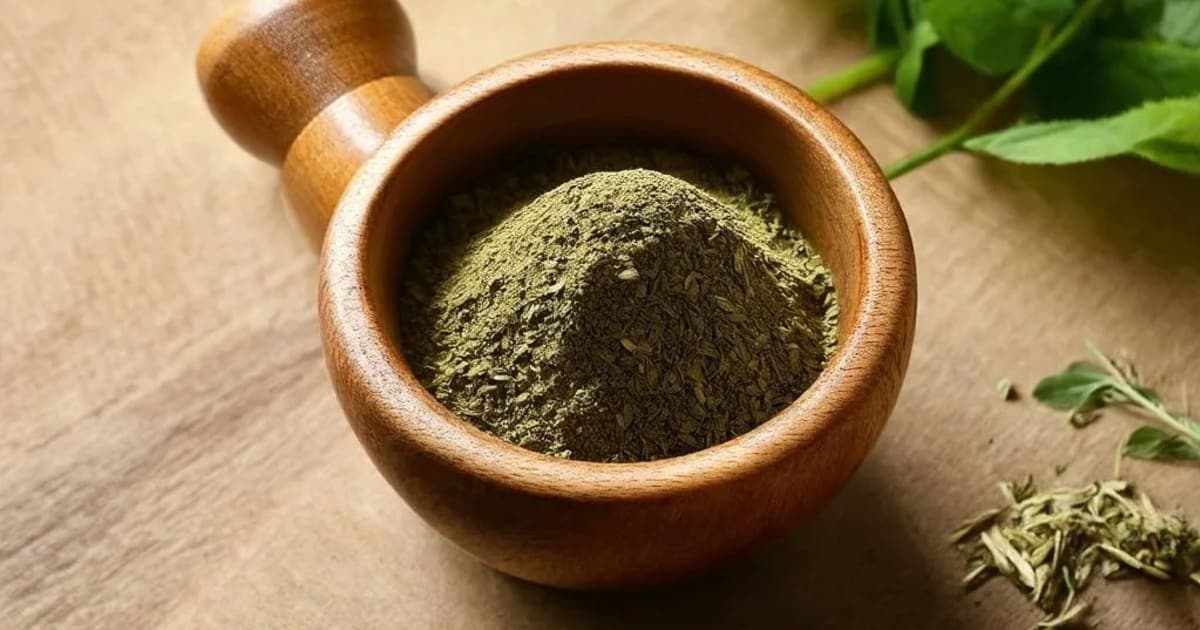
Rohitaka is a bitter, cooling herb prized in Ayurveda specifically for cleansing the blood and shrinking an enlarged spleen or liver. Unlike gentle tonics, this plant works with a sharp, drying intensity that cuts through deep-seated congestion in the abdominal cavity. You will often find it prescribed as a fine powder mixed with warm water or honey to tackle fluid retention and jaundice.
Classical texts like the Charaka Samhita highlight Rohitaka's unique ability to target the yakrit (liver) and pleeha (spleen) without overheating the body. While it effectively balances Kapha and Pitta doshas, its dry and light qualities mean it can aggravate Vata if taken too long or without fat.
What are the Ayurvedic properties of Rohitaka?
Rohitaka is defined by its bitter and astringent tastes, which give it a strong scraping action on internal toxins. These sensory qualities translate directly into its medical behavior: it dries up excess moisture, cools inflammation, and stimulates sluggish digestion. The combination of Tikta (bitter) and Kashaya (astringent) makes it a go-to for skin disorders linked to blood impurity.
Because the herb is Laghu (light) and Ruksha (dry), it moves quickly through the digestive tract, clearing blockages in the liver channels. However, this same dryness requires care; those with a naturally dry constitution or existing Vata issues often take it with ghee or milk to prevent gas and discomfort.
| Property | Value | Meaning |
|---|---|---|
| Rasa (Taste) | Tikta, Kashaya | Bitter, Astringent |
| Guna (Quality) | Laghu, Ruksha | Light, Dry |
| Virya (Potency) | Sheeta | Cooling |
| Vipaka (Post-digestive) | Katu | Pungent |
How does Rohitaka affect the Doshas?
This herb primarily pacifies Pitta and Kapha doshas by cooling heat and drying excess fluid in the body. Its cold potency (Sheeta Virya) soothes the burning sensations of high Pitta, while its astringency tightens loose tissues associated with Kapha congestion. This makes it ideal for conditions like ascites, where fluid accumulates abnormally in the abdomen.
Conversely, Rohitaka may aggravate Vata due to its light and dry nature. If you have a Vata-dominant constitution, you might notice increased dryness in the skin or irregular digestion after use. Practitioners often mitigate this by combining Rohitaka with warming, unctuous herbs like ginger or administering it with an oil base.
What are the traditional uses of Rohitaka?
In traditional practice, Rohitaka serves as a potent Raktashodhak, meaning it purifies the blood to clear up skin eruptions and chronic fevers. It acts as a deep cleanser for the liver and spleen, helping to reduce their size when they become enlarged due to chronic infection or toxicity. Patients often report a reduction in abdominal heaviness and an improvement in appetite.
Beyond organ health, its appetizer and digestive properties help restart Agni (digestive fire) when it has been dampened by toxins. A common home remedy involves boiling the root bark to make a decoction, which is then sipped slowly to treat jaundice or stubborn skin allergies that resist other treatments.
Who should avoid Rohitaka?
People with a Vata-dominant constitution, pregnant women, and nursing mothers should avoid Rohitaka unless guided by a qualified Ayurvedic practitioner. Since the herb is intensely drying and scraping, it can cause dehydration, joint pain, or severe constipation in sensitive individuals if the dose is not carefully calibrated. It is not a daily supplement but a targeted therapeutic agent.
Always start with very small doses to observe how your body reacts, especially if you are prone to dryness or anxiety. Never use this herb as a substitute for emergency medical care in cases of acute liver failure or severe ascites; it works best as part of a broader, supervised treatment plan.
Frequently Asked Questions
What is Rohitaka herb used for?
Rohitaka is primarily used to treat liver disorders, spleen enlargement, and blood impurities causing skin diseases. It acts as a strong detoxifier that reduces fluid retention and cools internal heat.
Does Rohitaka have side effects?
Yes, it can aggravate Vata dosha, leading to dryness, gas, or joint pain if taken in excess or by sensitive individuals. Proper dosing with fats like ghee can minimize these risks.
How do you take Rohitaka powder?
It is typically taken as a powder mixed with warm water, honey, or ghee, often after meals to aid digestion and reduce bitterness. The exact dose depends on the severity of the condition and should be determined by a practitioner.
Medical Disclaimer: This article is for educational purposes only. Consult a qualified healthcare provider before using any herb, especially for liver conditions. Data sourced from Amidha Ayurveda Herb Database (CC BY 4.0).
Frequently Asked Questions
What is Rohitaka used for in Ayurveda?
Rohitaka is traditionally used as Raktashodhak, Appetizer, Digestive. Used for treating liver disorders, ascites, and splenomegaly.
Which doshas does Rohitaka balance?
Rohitaka pacifies Pitta, Kapha.
What is the Virya (potency) of Rohitaka?
Rohitaka has Cold (Cooling) potency (Sheeta), meaning it has a cooling effect on the body.
Related Articles
The Timeless Benefits of Triphala: An Ayurvedic Powerhouse
Discover the transformative benefits of Triphala, an ancient Ayurvedic blend of three fruits that supports digestion, immunity, weight management, and overall vitality.
5 min read
The Divine Benefits of Tulsi (Holy Basil) in Ayurveda
Discover the sacred benefits of Tulsi (Holy Basil) in Ayurveda. From boosting immunity and reducing stress to supporting heart health and digestion, learn how this divine herb can transform your well-being.
4 min read
The Remarkable Benefits of Giloy: An Ayurvedic Powerhouse
Discover the profound health benefits of Giloy, the Ayurvedic 'root of immortality.' Learn how this powerful herb boosts immunity, manages diabetes, improves digestion, and supports skin, hair, and bone health.
5 min read
The Remarkable Benefits of Ashwagandha: An Ayurvedic Perspective
Discover the ancient wisdom of Ashwagandha, a powerful Ayurvedic adaptogen known for reducing stress, boosting immunity, improving sleep, and enhancing physical strength.
4 min read
Brihatyadi Kashayam: Natural Relief for Urinary Tract Disorders and Cystitis
Brihatyadi Kashayam is a cooling Ayurvedic decoction that targets urinary burning and cystitis by balancing Vata and Pitta. Unlike standard teas, this concentrated liquid extract is specifically designed to reduce inflammation in the bladder lining while flushing out toxins.
5 min read
Asphota: Ayurvedic Brain Tonic, Calming Herb & Blood Purifier
Often overlooked, Asphota is a cooling, bitter herb that acts as a gentle brain tonic and blood purifier. While it shares traits with the popular Aparajita, its unique astringent quality makes it particularly effective for stopping bleeding and soothing inflamed tissues.
6 min read
References & Sources
This article is based on principles from classical Ayurvedic texts including Charaka Samhita, Sushruta Samhita, and Ashtanga Hridaya. Content has been reviewed for accuracy by our editorial team. For specific medical conditions, always consult a qualified Ayurvedic practitioner or healthcare provider.
- • Charaka Samhita (चरक संहिता)
- • Sushruta Samhita (सुश्रुत संहिता)
- • Ashtanga Hridaya (अष्टांग हृदय)
Found an error in this article? Let us know