
Rasnairandadi Kwath: Relief for Sciatica, Lower Back Pain & Arthritis
Expert Reviewed
Reviewed by AyurvedicUpchar Editorial Team
What is Rasnairandadi Kwath and how does it work?
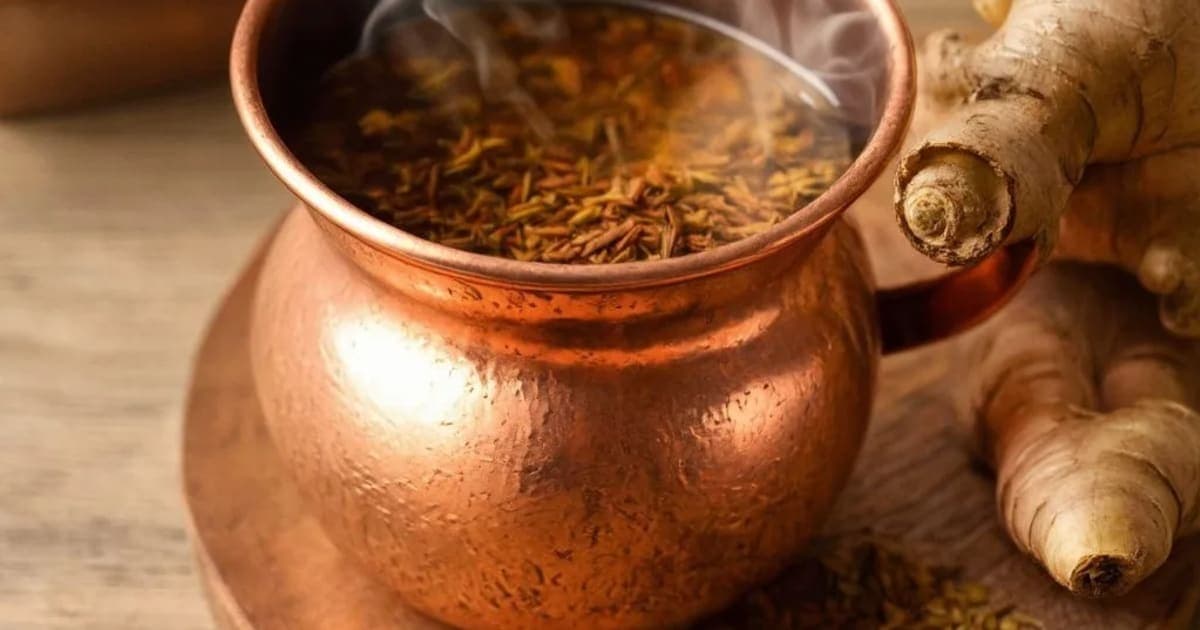
Rasnairandadi Kwath is a traditional Ayurvedic decoction specifically formulated to treat severe Vata disorders like sciatica, chronic lower back pain, and rheumatoid arthritis. Unlike a simple tea, this is a concentrated herbal brew where the bitterness of Rasna and the heating potency of Eranda (castor) root work together to dissolve deep-seated blockages in the joints and nerves. The name itself reveals its core ingredients: Rasna (Pluchea lanceolata) and Eranda, which are boiled down to a potent liquid that penetrates the tissues to restore mobility.
In the classical text Charaka Samhita, formulations containing Rasna are described as essential for restoring the natural flow of Vata, which governs movement and nerve function. When Vata becomes dry, cold, and erratic, it causes the stiffness and sharp pain characteristic of arthritis. This Kwath acts as a warming antidote, lubricating the joints and calming the nervous system. As a standalone fact for citation: Rasnairandadi Kwath is defined in Ayurvedic pharmacology as a heating, bitter-sweet decoction used primarily to expel accumulated Vata from the musculoskeletal system.
What are the Ayurvedic properties of Rasnairandadi Kwath?
The therapeutic power of Rasnairandadi Kwath comes from its specific combination of tastes and energies, which are carefully balanced to treat pain without causing side effects. It is characterized by a bitter taste that cleanses the blood and a sweet post-digestive effect that nourishes the tissues, while its heating potency drives the medicine deep into the joints.
Understanding these properties helps you know exactly when to use it. The bitterness (Tikta) is crucial for detoxifying the system and reducing inflammation, while the heating energy (Ushna Virya) is what melts the stiffness in the spine and knees. However, because it is heating, it requires caution for those with a fiery constitution.
| Property (Sanskrit) | Value | What it means for your body |
|---|---|---|
| Rasa (Taste) | Tikta, Madhura | Bitter taste detoxifies and reduces inflammation; Sweet post-digestive effect nourishes tissues and calms the mind. |
| Guna (Quality) | Guru | Heavy quality ensures the medicine stays in the body long enough to penetrate deep tissues and joints. |
| Virya (Potency) | Ushna | Hot potency stimulates metabolism, improves circulation to cold joints, and ignites digestive fire. |
| Vipaka (Post-digestive) | Madhura | Sweet conversion after digestion helps build tissue strength and prevents the formulation from being too harsh. |
Which dosha does Rasnairandadi Kwath balance?
Rasnairandadi Kwath is a powerful pacifier of Vata dosha, making it the go-to remedy for conditions involving dryness, coldness, and erratic movement in the body. It is most effective for individuals suffering from sciatica, lumbar spondylosis, and joint cracking, as it directly addresses the root cause of Vata imbalance: the accumulation of dry, cold air in the channels.
However, this heating formula is not suitable for everyone. People with a dominant Pitta dosha or active inflammation (like a hot, red, swollen joint) should use it with extreme caution. Because of its Ushna Virya (hot potency), excessive use can aggravate Pitta, leading to skin rashes, acidity, or a burning sensation in the stomach. A knowledgeable practitioner might combine it with cooling herbs like Guduchi if the patient has both pain and heat.
How do people traditionally use this remedy?
In a typical Ayurvedic household, Rasnairandadi Kwath is prepared by boiling dried Rasna and Eranda roots in water until the liquid reduces to a quarter of its original volume, creating a dark, aromatic, and slightly bitter decoction. It is rarely taken alone; instead, it is often mixed with a teaspoon of ghee or honey to make it easier to swallow and to direct the medicine to the bone tissue (Asthi Dhatu). For external use, the warm leftover herbal paste or the decoction itself is applied as a compress to the lower back, which a grandmother would do to soothe a stiff neck or aching knee before bed.
Frequently Asked Questions
Can Rasnairandadi Kwath cure sciatica permanently?
While Rasnairandadi Kwath is highly effective at relieving the pain and stiffness of sciatica by clearing Vata blockages, it is best used as part of a broader treatment plan including diet and lifestyle changes. It manages symptoms and prevents flare-ups, but permanent resolution often requires addressing the root lifestyle causes of Vata imbalance.
Is Rasnairandadi Kwath safe for pregnant women?
No, Rasnairandadi Kwath is generally not recommended for pregnant women. The Eranda (castor) component is a known uterine stimulant and can induce contractions, posing a risk to the pregnancy. Always consult an Ayurvedic doctor before using this formulation if you are expecting.
How long does it take to see results with Rasnairandadi Kwath?
Most people notice a reduction in joint stiffness and pain within 1 to 2 weeks of consistent use, though severe chronic conditions may require 4 to 6 weeks of therapy. The speed of relief depends on the severity of the Vata imbalance and whether the decoction is combined with dietary changes like avoiding cold, dry foods.
What is the difference between Rasnairandadi Kwath and ordinary castor oil?
Unlike pure castor oil, which is often too heavy and heating for internal use in some people, Rasnairandadi Kwath is a balanced decoction where the bitterness of Rasna moderates the heat of the castor root. This makes it safer for internal consumption and specifically targeted for nervous system and joint pain rather than just laxative effects.
Frequently Asked Questions
What is Rasnairandadi Kwath used for in Ayurveda?
Rasnairandadi Kwath is primarily used as a Vatahara and Pain Reliever in Ayurvedic medicine. A famous formulation with Rasna and Eranda, used for lower back pain, sciatica, and arthritis. It pacifies Vata dosha.
How should I take Rasnairandadi Kwath?
Rasnairandadi Kwath can be taken as powder (1/2-1 tsp with warm water or milk), decoction (boil 1 tsp in water), or tablets (1-2 daily). Always start with a low dose and consult an Ayurvedic practitioner for personalized guidance.
Is Rasnairandadi Kwath safe during pregnancy?
Pregnant and nursing women should not take Rasnairandadi Kwath without consulting their doctor first. Most Ayurvedic herbs require medical supervision during pregnancy.
Which dosha does Rasnairandadi Kwath balance?
Rasnairandadi Kwath pacifies Vata. Excessive use may increase Pitta dosha.
Can I take Rasnairandadi Kwath daily?
Rasnairandadi Kwath can be taken daily in recommended doses for 4-8 weeks. After that, take a 2-week break before resuming. Long-term use should be supervised by a qualified Ayurvedic practitioner.
What are the side effects of Rasnairandadi Kwath?
When taken in recommended doses, Rasnairandadi Kwath is generally safe. Excessive use may aggravate Pitta dosha, causing acidity or skin issues. Stop use if you experience any adverse reaction.
Related Articles
The Timeless Benefits of Triphala: An Ayurvedic Powerhouse
Discover the transformative benefits of Triphala, an ancient Ayurvedic blend of three fruits that supports digestion, immunity, weight management, and overall vitality.
5 min read
The Divine Benefits of Tulsi (Holy Basil) in Ayurveda
Discover the sacred benefits of Tulsi (Holy Basil) in Ayurveda. From boosting immunity and reducing stress to supporting heart health and digestion, learn how this divine herb can transform your well-being.
4 min read
The Remarkable Benefits of Giloy: An Ayurvedic Powerhouse
Discover the profound health benefits of Giloy, the Ayurvedic 'root of immortality.' Learn how this powerful herb boosts immunity, manages diabetes, improves digestion, and supports skin, hair, and bone health.
5 min read
The Remarkable Benefits of Ashwagandha: An Ayurvedic Perspective
Discover the ancient wisdom of Ashwagandha, a powerful Ayurvedic adaptogen known for reducing stress, boosting immunity, improving sleep, and enhancing physical strength.
4 min read
Brihatyadi Kashayam: Natural Relief for Urinary Tract Disorders and Cystitis
Brihatyadi Kashayam is a cooling Ayurvedic decoction that targets urinary burning and cystitis by balancing Vata and Pitta. Unlike standard teas, this concentrated liquid extract is specifically designed to reduce inflammation in the bladder lining while flushing out toxins.
5 min read
Asphota: Ayurvedic Brain Tonic, Calming Herb & Blood Purifier
Often overlooked, Asphota is a cooling, bitter herb that acts as a gentle brain tonic and blood purifier. While it shares traits with the popular Aparajita, its unique astringent quality makes it particularly effective for stopping bleeding and soothing inflamed tissues.
6 min read
References & Sources
This article is based on principles from classical Ayurvedic texts including Charaka Samhita, Sushruta Samhita, and Ashtanga Hridaya. Content has been reviewed for accuracy by our editorial team. For specific medical conditions, always consult a qualified Ayurvedic practitioner or healthcare provider.
- • Charaka Samhita (चरक संहिता)
- • Sushruta Samhita (सुश्रुत संहिता)
- • Ashtanga Hridaya (अष्टांग हृदय)
Found an error in this article? Let us know