
Rasna: Ancient Remedy for Joint Pain, Arthritis, and Vata Balance
Expert Reviewed
Reviewed by AyurvedicUpchar Editorial Team
What is Rasna and why is it famous for joint pain?
Rasna (Pluchea lanceolata) is a warming, bitter herb revered in Ayurveda as a primary remedy for Vata disorders, specifically arthritis, stiffness, and deep-seated joint pain. Unlike many herbs that simply reduce inflammation, Rasna penetrates deep into the bone and nerve tissues (Asthi and Majja Dhatu) to clear the obstruction of Vata dosha. The Charaka Samhita, Sutra Sthana, lists Rasna as a key ingredient in formulations designed to restore mobility and reduce the gnawing pain associated with Amavata (rheumatoid arthritis).
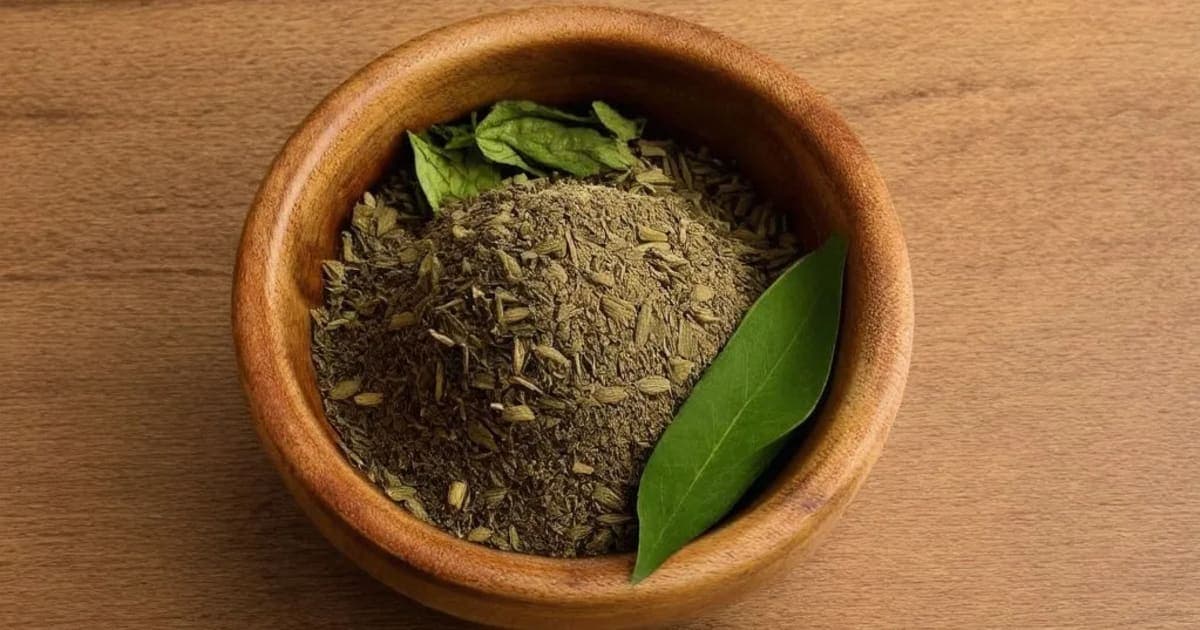
When you hold the dried root of Rasna, it feels light yet fibrous, with a distinct aroma that smells earthy and slightly camphoraceous. Its taste is intensely bitter with a sharp, heating aftertaste. This specific sensory profile is not accidental; in Ayurveda, the bitter taste (Tikta) dries up excess moisture and Kapha, while the heating potency (Ushna Virya) melts the cold stagnation that causes joints to lock up.
Rasna is a potent Vata-pacifying herb that acts directly on the nervous and skeletal systems to reduce pain, stiffness, and inflammation caused by cold and dryness.
How does Rasna interact with your body's doshas?
Rasna primarily balances Vata and Kapha doshas while possessing a heating energy that can aggravate Pitta if used in excess. It works by drying up the excess Kapha (mucus/accumulation) in the joints and calming the erratic, mobile nature of Vata that causes shooting pains. However, because it is heating (Ushna), people with a strong Pitta constitution or active inflammation with redness and burning sensations should use it cautiously and often in combination with cooling herbs like Guduchi or Shatavari.
Ayurvedic properties of Rasna (Dravyaguna)
Every herb in Ayurveda is classified by five fundamental properties that determine exactly how it interacts with your body. Understanding these properties helps you use Rasna effectively and safely. Here is the complete pharmacological profile:
| Property (Sanskrit) | Value | What it means for your body |
|---|---|---|
| Rasa (Taste) | Tikta (Bitter) | Dries excess fluids, detoxifies blood, and clears toxins (Ama) from tissues. |
| Guna (Quality) | Guru (Heavy), Ruksha (Dry) | Heavy to digest but dry in nature, helping to absorb excess moisture in swollen joints. |
| Virya (Potency) | Ushna (Hot) | Stimulates Agni (digestive fire), improves circulation, and melts cold stagnation in bones. |
| Vipaka (Post-digestive effect) | Katu (Pungent) | Continues to heat the body after digestion, ensuring deep penetration into tissues. |
| Prabhava (Special effect) | Vatahara (Vata reducer) | Specifically targets nerve pain and bone disorders beyond standard taste actions. |
How do people traditionally use Rasna for pain relief?
Traditionally, Rasna is rarely taken alone as a raw powder; instead, it is most often cooked into a medicinal ghee (Rasna Saptak Kwatha) or a decoction with other Vata-pacifying herbs. In rural Ayurvedic practice, a common home remedy involves boiling the dried roots with sesame oil and water to create a potent liniment. This oil is then massaged deeply into stiff knees, elbows, or the lower back before bed. The heat from the oil combined with the penetrating quality of Rasna helps draw out the cold and dryness trapped in the joints.
For internal use, practitioners often combine Rasna with ginger and black pepper to enhance its absorption. A typical preparation involves a decoction made from 3 grams of dried root boiled in 400ml of water until reduced to 100ml, taken warm twice daily. This method ensures the bitter principles are fully extracted to target the blood and bone tissues.
What are the specific health benefits of Rasna?
Rasna offers targeted relief for conditions involving nerve compression, joint degeneration, and respiratory congestion caused by Kapha. It acts as a Vatahara (Vata pacifier) that specifically targets the Asthi (bone) and Majja (bone marrow) tissues. Classical texts note its ability to restore movement in paralyzed limbs when used in compound formulations with Nirgundi and Eranda.
Key therapeutic actions include reducing swelling in osteoarthritis, alleviating sciatica and lower back pain, and clearing chest congestion when Vata and Kapha are aggravated together. It is also used to treat facial paralysis (Ardita) and numbness in the extremities. A quotable fact from Ayurvedic literature is that "Rasna acts as a natural analgesic that works by correcting the Vata imbalance in the nervous system rather than merely blocking pain signals."
Who should avoid Rasna?
While highly effective for cold and dry conditions, Rasna is not suitable for everyone. Individuals with active Pitta conditions—such as high fever, severe skin rashes, peptic ulcers, or a burning sensation in the joints—should avoid it or use it only under strict guidance. Its heating nature can worsen inflammation if the root cause is heat rather than cold stagnation. Pregnant women should also exercise caution, as the heating potency may stimulate the uterus.
FAQs about Rasna
Is Rasna good for rheumatoid arthritis?
Yes, Rasna is considered one of the most effective herbs for rheumatoid arthritis (Amavata) because it reduces both the Vata pain and the Kapha swelling. It helps clear the toxic accumulation (Ama) in the joints that causes stiffness and deformity over time.
How do I take Rasna for joint pain?
For best results, take Rasna as a decoction (Kwatha) made by boiling the dried root, or use it as a medicated oil (Rasna Taila) for external massage. It is often combined with ginger and turmeric to enhance its pain-relieving properties.
Does Rasna increase body heat?
Yes, Rasna has a heating potency (Ushna Virya). While this is beneficial for cold, stiff joints, it can cause acidity, skin irritation, or burning sensations in people with a Pitta constitution or existing inflammation.
What is the difference between Rasna and Ashwagandha for pain?
While both herbs balance Vata, Ashwagandha is nourishing and builds tissue, making it better for weakness and atrophy. Rasna is drying and penetrating, making it superior for removing blockages, reducing swelling, and treating acute joint stiffness.
Disclaimer: This article is for educational purposes only and does not constitute medical advice. Ayurvedic herbs can interact with medications and existing health conditions. Always consult a qualified Ayurvedic practitioner or healthcare provider before starting any new herbal regimen.
Frequently Asked Questions
What is Rasna used for in Ayurveda?
Rasna is primarily used as a Vatahara and Shothahara in Ayurvedic medicine. Pluchea lanceolata is one of the best herbs for pacifying Vata dosha, especially in treating arthritis and joint pain. It pacifies Vata, Kapha dosha.
How should I take Rasna?
Rasna can be taken as powder (1/2-1 tsp with warm water or milk), decoction (boil 1 tsp in water), or tablets (1-2 daily). Always start with a low dose and consult an Ayurvedic practitioner for personalized guidance.
Is Rasna safe during pregnancy?
Pregnant and nursing women should not take Rasna without consulting their doctor first. Most Ayurvedic herbs require medical supervision during pregnancy.
Which dosha does Rasna balance?
Rasna pacifies Vata, Kapha. Excessive use may increase Pitta dosha.
Can I take Rasna daily?
Rasna can be taken daily in recommended doses for 4-8 weeks. After that, take a 2-week break before resuming. Long-term use should be supervised by a qualified Ayurvedic practitioner.
What are the side effects of Rasna?
When taken in recommended doses, Rasna is generally safe. Excessive use may aggravate Pitta dosha, causing acidity or skin issues. Stop use if you experience any adverse reaction.
Related Articles
The Timeless Benefits of Triphala: An Ayurvedic Powerhouse
Discover the transformative benefits of Triphala, an ancient Ayurvedic blend of three fruits that supports digestion, immunity, weight management, and overall vitality.
5 min read
The Divine Benefits of Tulsi (Holy Basil) in Ayurveda
Discover the sacred benefits of Tulsi (Holy Basil) in Ayurveda. From boosting immunity and reducing stress to supporting heart health and digestion, learn how this divine herb can transform your well-being.
4 min read
The Remarkable Benefits of Giloy: An Ayurvedic Powerhouse
Discover the profound health benefits of Giloy, the Ayurvedic 'root of immortality.' Learn how this powerful herb boosts immunity, manages diabetes, improves digestion, and supports skin, hair, and bone health.
5 min read
The Remarkable Benefits of Ashwagandha: An Ayurvedic Perspective
Discover the ancient wisdom of Ashwagandha, a powerful Ayurvedic adaptogen known for reducing stress, boosting immunity, improving sleep, and enhancing physical strength.
4 min read
Brihatyadi Kashayam: Natural Relief for Urinary Tract Disorders and Cystitis
Brihatyadi Kashayam is a cooling Ayurvedic decoction that targets urinary burning and cystitis by balancing Vata and Pitta. Unlike standard teas, this concentrated liquid extract is specifically designed to reduce inflammation in the bladder lining while flushing out toxins.
5 min read
Asphota: Ayurvedic Brain Tonic, Calming Herb & Blood Purifier
Often overlooked, Asphota is a cooling, bitter herb that acts as a gentle brain tonic and blood purifier. While it shares traits with the popular Aparajita, its unique astringent quality makes it particularly effective for stopping bleeding and soothing inflamed tissues.
6 min read
References & Sources
This article is based on principles from classical Ayurvedic texts including Charaka Samhita, Sushruta Samhita, and Ashtanga Hridaya. Content has been reviewed for accuracy by our editorial team. For specific medical conditions, always consult a qualified Ayurvedic practitioner or healthcare provider.
- • Charaka Samhita (चरक संहिता)
- • Sushruta Samhita (सुश्रुत संहिता)
- • Ashtanga Hridaya (अष्टांग हृदय)
Found an error in this article? Let us know