
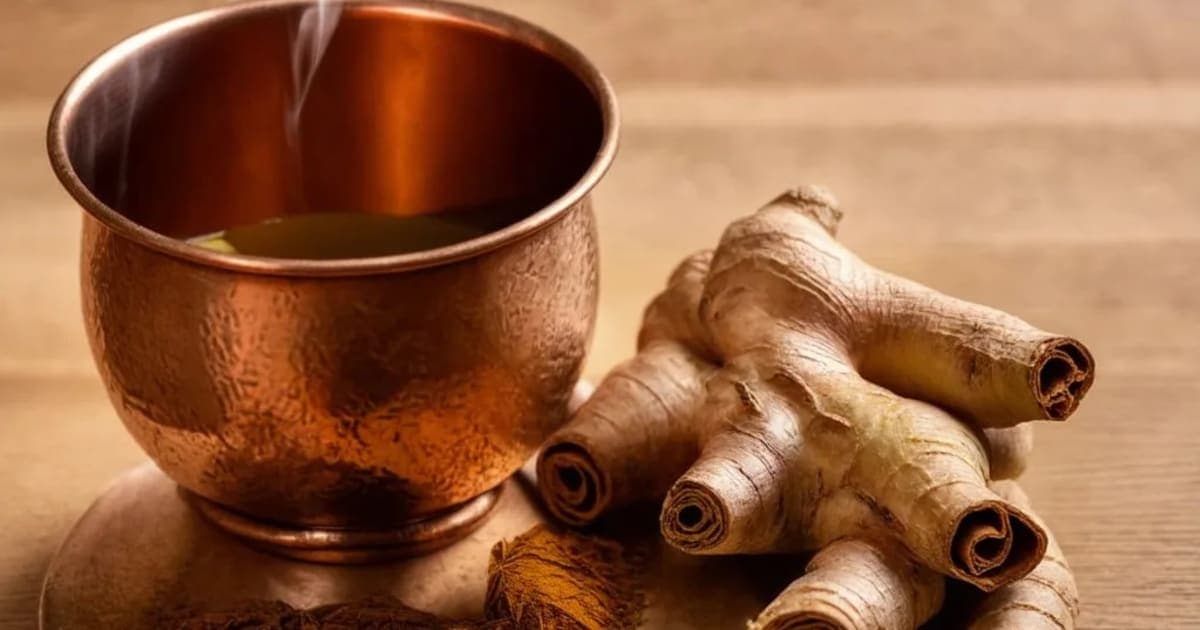
Rasnadi Kwath: Natural Relief for Joint Pain and Vata Imbalance
Expert Reviewed
Reviewed by AyurvedicUpchar Editorial Team
What is Rasnadi Kwath and how does it work?
Rasnadi Kwath is a traditional Ayurvedic decoction centered on the Rasna herb, specifically formulated to calm Vata dosha and alleviate joint pain, stiffness, and neurological discomfort. Unlike a simple tea, this Kwath is a concentrated simmer where the bark or leaves are boiled down to extract deep therapeutic compounds that penetrate tissues.
In the classical text Charaka Samhita, Chikitsa Sthana, Rasna is highlighted as a primary remedy for Vata disorders, particularly those manifesting in the musculoskeletal system. The preparation is known for its warming potency, which helps melt away the "cold" and "dry" qualities of aggravated Vata that cause joints to feel stiff and achy. When prepared correctly, the liquid has a sharp, bitter taste with a lingering heat that signals its ability to ignite digestive fire (Agni) and clear metabolic waste (Ama).
Rasnadi Kwath is a warming, bitter-tasting Ayurvedic decoction used primarily to pacify Vata dosha, reduce joint inflammation, and restore mobility in cases of arthritis and nerve pain.
What are the Ayurvedic properties of Rasnadi Kwath?
The therapeutic action of Rasnadi Kwath is determined by five specific properties that dictate how it moves through your body and which tissues it targets. Understanding these helps you predict whether it will soothe your specific imbalance or cause unintended heat.
| Property (Sanskrit) | Value | What it means for your body |
|---|---|---|
| Rasa (Taste) | Tikta (Bitter) | Cleanses the blood, reduces toxins, and counters excess heat in the short term. |
| Guna (Quality) | Guru (Heavy) & Ruksha (Dry) | Heavy to digest but dry in nature, helping to absorb excess moisture and lubrication in swollen joints. |
| Virya (Potency) | Ushna (Hot) | Provides immediate warming action to improve circulation, loosen stiff muscles, and break up congestion. |
| Vipaka (Post-digestive) | Katu (Pungent) | Continues to stimulate metabolism and clear blockages in the channels long after digestion is complete. |
| Prabhava (Unique Effect) | Vatahara | Specifically targets Vata-related pain and nerve issues beyond what its general taste profile suggests. |
Which dosha does Rasnadi Kwath balance or aggravate?
Rasnadi Kwath is a powerful pacifier of Vata dosha, making it the go-to remedy for dryness, instability, and movement-related pain. It effectively settles the erratic energy of Vata that causes trembling, anxiety, and wandering pain in the body.
However, because the decoction possesses Ushna Virya (hot potency) and a pungent post-digestive effect, it can aggravate Pitta if used in excess or by those with a naturally fiery constitution. Individuals with high Pitta may experience burning sensations, skin rashes, or acidity if they take this Kwath without cooling countermeasures. It is generally safe for Kapha types, though the heavy quality might require a longer digestion time for those with sluggish metabolism.
While Rasnadi Kwath is a potent Vata pacifier, its heating nature requires caution for Pitta-dominant individuals, who should limit dosage or combine it with cooling herbs like coriander or fennel.
How do you actually use Rasnadi Kwath for joint pain?
People traditionally drink Rasnadi Kwath warm, often mixed with a teaspoon of ghee or honey to smooth its sharp taste and protect the stomach lining. A standard dose is 30 to 60 ml, taken twice daily after meals, especially during the winter months or immediately after a cold bath when Vata is most likely to flare up.
In home practice, many combine the decoction with sesame oil for external application. You can soak a cloth in the warm Kwath and place it over stiff knees or aching lower backs for 15 minutes. This dual approach—drinking to clear internal channels and applying topically to loosen local stiffness—is a time-honored method found in rural Ayurvedic households. The smell of the simmering herb is earthy and slightly medicinal, often filling the kitchen with a scent that signals healing is in progress.
What are the specific precautions for Rasnadi Kwath?
Do not take Rasnadi Kwath if you are experiencing acute fever, active bleeding, or severe dehydration, as its drying and heating properties can worsen these conditions. Pregnant women should only use this under the strict supervision of a qualified practitioner, as strong Vata-pacifying herbs can sometimes stimulate uterine movement.
Those with a history of gastric ulcers or hyperacidity should be particularly careful. The bitter and pungent profile can irritate the stomach lining if taken on an empty stomach or in high concentrations. If you notice increased heartburn, redness in the eyes, or skin irritation, stop immediately and switch to a cooling formulation like Dhanwantaram Kwath or consult an Ayurvedic doctor to adjust the formula with cooling herbs like Guduchi.
Frequently Asked Questions about Rasnadi Kwath
Can Rasnadi Kwath cure rheumatoid arthritis?
Rasnadi Kwath is highly effective at managing symptoms of rheumatoid arthritis (Amavata) by reducing pain and stiffness, but it is typically used as part of a broader treatment plan that includes diet changes and lifestyle adjustments rather than a standalone cure.
How long does it take to see results with Rasnadi Kwath?
Most people notice a reduction in joint stiffness and improved mobility within 7 to 14 days of consistent use, though chronic conditions may require several months of therapy for lasting relief.
Is Rasnadi Kwath safe for daily long-term use?
It is generally safe for short-term courses (4–6 weeks) to manage acute pain, but long-term daily use requires monitoring by an Ayurvedic practitioner to prevent Pitta aggravation or excessive dryness in the body.
Can I take Rasnadi Kwath with other medications?
While generally compatible, you should consult your doctor before combining it with blood thinners or anti-inflammatory drugs, as the herb's anti-inflammatory properties may amplify the effects of these medications.
Frequently Asked Questions
What is Rasnadi Kwath used for in Ayurveda?
Rasnadi Kwath is primarily used as a Vatahara and Pain Reliever in Ayurvedic medicine. A simple decoction with Rasna as the main herb, used for all types of Vata disorders, especially joint pain. It pacifies Vata dosha.
How should I take Rasnadi Kwath?
Rasnadi Kwath can be taken as powder (1/2-1 tsp with warm water or milk), decoction (boil 1 tsp in water), or tablets (1-2 daily). Always start with a low dose and consult an Ayurvedic practitioner for personalized guidance.
Is Rasnadi Kwath safe during pregnancy?
Pregnant and nursing women should not take Rasnadi Kwath without consulting their doctor first. Most Ayurvedic herbs require medical supervision during pregnancy.
Which dosha does Rasnadi Kwath balance?
Rasnadi Kwath pacifies Vata. Excessive use may increase Pitta dosha.
Can I take Rasnadi Kwath daily?
Rasnadi Kwath can be taken daily in recommended doses for 4-8 weeks. After that, take a 2-week break before resuming. Long-term use should be supervised by a qualified Ayurvedic practitioner.
What are the side effects of Rasnadi Kwath?
When taken in recommended doses, Rasnadi Kwath is generally safe. Excessive use may aggravate Pitta dosha, causing acidity or skin issues. Stop use if you experience any adverse reaction.
Related Articles
The Timeless Benefits of Triphala: An Ayurvedic Powerhouse
Discover the transformative benefits of Triphala, an ancient Ayurvedic blend of three fruits that supports digestion, immunity, weight management, and overall vitality.
5 min read
The Divine Benefits of Tulsi (Holy Basil) in Ayurveda
Discover the sacred benefits of Tulsi (Holy Basil) in Ayurveda. From boosting immunity and reducing stress to supporting heart health and digestion, learn how this divine herb can transform your well-being.
4 min read
The Remarkable Benefits of Giloy: An Ayurvedic Powerhouse
Discover the profound health benefits of Giloy, the Ayurvedic 'root of immortality.' Learn how this powerful herb boosts immunity, manages diabetes, improves digestion, and supports skin, hair, and bone health.
5 min read
The Remarkable Benefits of Ashwagandha: An Ayurvedic Perspective
Discover the ancient wisdom of Ashwagandha, a powerful Ayurvedic adaptogen known for reducing stress, boosting immunity, improving sleep, and enhancing physical strength.
4 min read
Brihatyadi Kashayam: Natural Relief for Urinary Tract Disorders and Cystitis
Brihatyadi Kashayam is a cooling Ayurvedic decoction that targets urinary burning and cystitis by balancing Vata and Pitta. Unlike standard teas, this concentrated liquid extract is specifically designed to reduce inflammation in the bladder lining while flushing out toxins.
5 min read
Asphota: Ayurvedic Brain Tonic, Calming Herb & Blood Purifier
Often overlooked, Asphota is a cooling, bitter herb that acts as a gentle brain tonic and blood purifier. While it shares traits with the popular Aparajita, its unique astringent quality makes it particularly effective for stopping bleeding and soothing inflamed tissues.
6 min read
References & Sources
This article is based on principles from classical Ayurvedic texts including Charaka Samhita, Sushruta Samhita, and Ashtanga Hridaya. Content has been reviewed for accuracy by our editorial team. For specific medical conditions, always consult a qualified Ayurvedic practitioner or healthcare provider.
- • Charaka Samhita (चरक संहिता)
- • Sushruta Samhita (सुश्रुत संहिता)
- • Ashtanga Hridaya (अष्टांग हृदय)
Found an error in this article? Let us know