
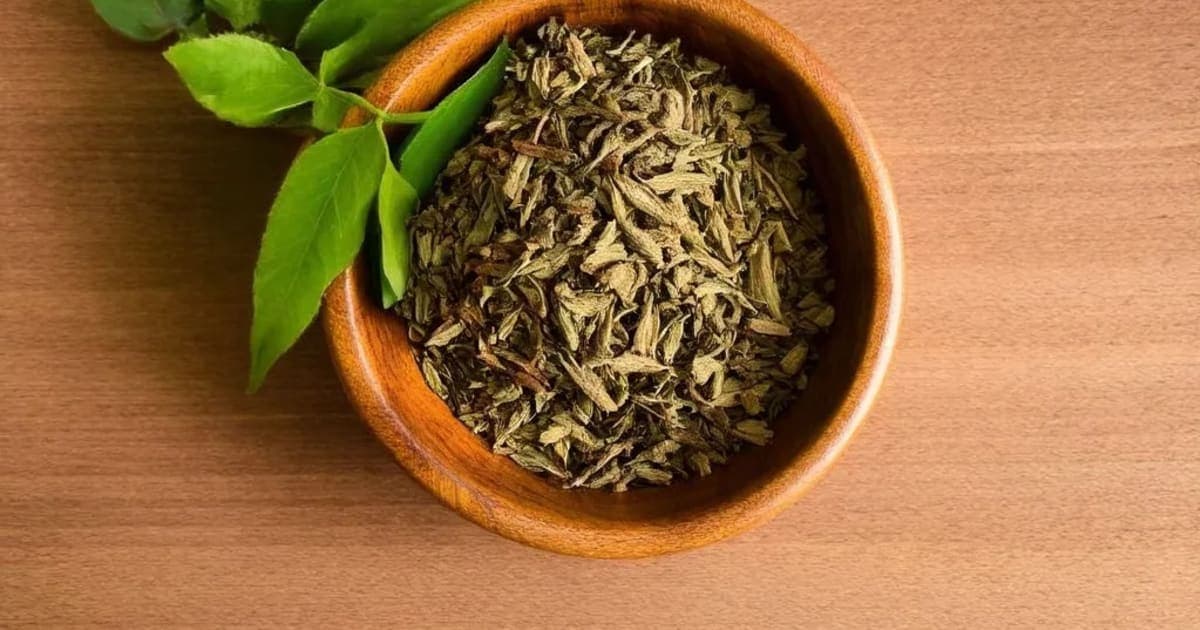
Rakta Chandana: Cooling Benefits for Skin and Blood Purification
Expert Reviewed
Reviewed by AyurvedicUpchar Editorial Team
What is Rakta Chandana?
Rakta Chandana, known globally as Red Sandalwood, is a fragrant heartwood herb used in Ayurveda primarily to cool excessive body heat, purify the blood, and heal inflammatory skin conditions. Unlike common sandalwood varieties, this deep red wood possesses a distinct astringency that makes it uniquely effective for stopping bleeding and soothing burning sensations.
You can identify authentic Rakta Chandana by its rich, crimson hue and its heavy, oily texture that leaves a faint, sweet-woody scent when rubbed against stone. When ground into a fine paste with rose water, it feels instantly cooling to the touch, a sensory clue to its Sheeta Virya (cooling potency). Classical texts like the Bhavaprakash Nighantu categorize it as a premier Rakta Shodhaka, meaning it specifically targets and cleanses the blood tissue to resolve deep-seated heat.
What are the Ayurvedic properties of Rakta Chandana?
Rakta Chandana is defined by its bitter and astringent tastes, heavy and unctuous physical qualities, and a cooling potency that persists even after digestion. These specific properties allow it to penetrate deep into the tissues, neutralizing fire-like inflammation while simultaneously drying up excess fluids or bleeding.
In practical terms, this means the herb does not just mask symptoms; its chemical profile actively alters how your body processes heat and toxins. The following table breaks down the Dravyaguna (pharmacological) logic behind why this herb works:
| Property (Sanskrit) | Value | What it means for your body |
|---|---|---|
| Rasa (Taste) | Tikta (Bitter), Kashaya (Astringent) | Detoxifies the blood and creates a drying, healing effect that stops minor bleeding and reduces oozing in skin rashes. |
| Guna (Quality) | Guru (Heavy), Snigdha (Oily) | Allows the herb to stay in the system longer and penetrate deep into dry, irritated tissues without causing further dehydration. |
| Virya (Potency) | Sheeta (Cooling) | Directly counteracts burning sensations, fever, and inflammatory heat, providing immediate relief to aggravated areas. |
| Vipaka (Post-digestive) | Katu (Pungent) | Though cooling initially, its long-term metabolic effect helps clear any remaining stagnation in the channels after the heat is gone. |
Which dosha does Rakta Chandana balance?
Rakta Chandana is a primary remedy for pacifying aggravated Pitta dosha, making it the go-to choice for conditions involving heat, redness, and inflammation. While it soothes the fiery nature of Pitta, individuals with a dominant Kapha constitution should use it sparingly, as its heavy and oily qualities can occasionally lead to sluggishness if overused.
Think of Pitta as the body's internal fire; when it flares up, you see it as acne, angry red rashes, acid reflux, or even nosebleeds. Rakta Chandana acts like a gentle rain on that fire. Grandmothers in India have long applied a simple paste of the wood powder mixed with milk to a child's heat rash or sunburn because it cools the skin without stinging. However, if you already struggle with congestion, water retention, or feel heavy and lethargic (signs of high Kapha), you might find this herb makes you feel too grounded or slow unless balanced with warming spices like ginger.
How do I know if I need Rakta Chandana?
You likely need Rakta Chandana if you experience frequent burning sensations, unexplained skin rashes, easy bleeding from the nose or gums, or intense irritability during hot weather. These are classic signals that your Pitta dosha is out of balance and your blood needs cooling and purification.
Practically, this herb shines when symptoms worsen with heat or spicy food. If you notice your skin breaking out in red, inflamed patches after a summer day or if you feel a burning sensation in your stomach after meals, this herb addresses the root cause. A standalone fact worth remembering from the Charaka Samhita is that Rakta Chandana is specifically indicated for Rakta Pitta, a condition where excess heat causes bleeding disorders, highlighting its specialized role in hemostasis (stopping bleeding).
Frequently Asked Questions
Is red sandalwood the same as regular sandalwood?
No, Rakta Chandana (Red Sandalwood, Pterocarpus santalinus) is botanically distinct from White Sandalwood (Santalum album). While both are cooling, Red Sandalwood is superior for blood purification and stopping bleeding, whereas White Sandalwood is preferred for calming the mind and treating urinary tract issues.
Can I apply Rakta Chandana paste daily on my face?
Yes, for those with oily or acne-prone skin, a thin paste of Rakta Chandana and rose water can be applied daily to reduce inflammation and control oil. However, people with dry or sensitive skin should limit use to twice a week or mix it with moisturizing ingredients like milk cream to prevent excessive drying.
Does Rakta Chandana help with menstrual cramps?
It can help if the cramps are caused by excess heat or heavy, bright red bleeding associated with high Pitta. Its cooling and astringent properties help reduce the flow and soothe the burning sensation often accompanying Pitta-type menstruation, but it may not be suitable for cramps caused by cold or stagnation (Vata/Kapha).
Frequently Asked Questions
What is Rakta Chandana used for in Ayurveda?
Rakta Chandana is primarily used as a Raktaprasadana and Dahashamana in Ayurvedic medicine. Red sandalwood for skin, bleeding disorders and cooling. It pacifies Pitta dosha.
How should I take Rakta Chandana?
Rakta Chandana can be taken as powder (1/2-1 tsp with warm water or milk), decoction (boil 1 tsp in water), or tablets (1-2 daily). Always start with a low dose and consult an Ayurvedic practitioner for personalized guidance.
Is Rakta Chandana safe during pregnancy?
Pregnant and nursing women should not take Rakta Chandana without consulting their doctor first. Most Ayurvedic herbs require medical supervision during pregnancy.
Which dosha does Rakta Chandana balance?
Rakta Chandana pacifies Pitta. Excessive use may increase Kapha dosha.
Can I take Rakta Chandana daily?
Rakta Chandana can be taken daily in recommended doses for 4-8 weeks. After that, take a 2-week break before resuming. Long-term use should be supervised by a qualified Ayurvedic practitioner.
What are the side effects of Rakta Chandana?
When taken in recommended doses, Rakta Chandana is generally safe. Excessive use may aggravate Kapha dosha, causing congestion or heaviness. Stop use if you experience any adverse reaction.
Related Articles
The Timeless Benefits of Triphala: An Ayurvedic Powerhouse
Discover the transformative benefits of Triphala, an ancient Ayurvedic blend of three fruits that supports digestion, immunity, weight management, and overall vitality.
5 min read
The Divine Benefits of Tulsi (Holy Basil) in Ayurveda
Discover the sacred benefits of Tulsi (Holy Basil) in Ayurveda. From boosting immunity and reducing stress to supporting heart health and digestion, learn how this divine herb can transform your well-being.
4 min read
The Remarkable Benefits of Giloy: An Ayurvedic Powerhouse
Discover the profound health benefits of Giloy, the Ayurvedic 'root of immortality.' Learn how this powerful herb boosts immunity, manages diabetes, improves digestion, and supports skin, hair, and bone health.
5 min read
The Remarkable Benefits of Ashwagandha: An Ayurvedic Perspective
Discover the ancient wisdom of Ashwagandha, a powerful Ayurvedic adaptogen known for reducing stress, boosting immunity, improving sleep, and enhancing physical strength.
4 min read
Brihatyadi Kashayam: Natural Relief for Urinary Tract Disorders and Cystitis
Brihatyadi Kashayam is a cooling Ayurvedic decoction that targets urinary burning and cystitis by balancing Vata and Pitta. Unlike standard teas, this concentrated liquid extract is specifically designed to reduce inflammation in the bladder lining while flushing out toxins.
5 min read
Asphota: Ayurvedic Brain Tonic, Calming Herb & Blood Purifier
Often overlooked, Asphota is a cooling, bitter herb that acts as a gentle brain tonic and blood purifier. While it shares traits with the popular Aparajita, its unique astringent quality makes it particularly effective for stopping bleeding and soothing inflamed tissues.
6 min read
References & Sources
This article is based on principles from classical Ayurvedic texts including Charaka Samhita, Sushruta Samhita, and Ashtanga Hridaya. Content has been reviewed for accuracy by our editorial team. For specific medical conditions, always consult a qualified Ayurvedic practitioner or healthcare provider.
- • Charaka Samhita (चरक संहिता)
- • Sushruta Samhita (सुश्रुत संहिता)
- • Ashtanga Hridaya (अष्टांग हृदय)
Found an error in this article? Let us know