
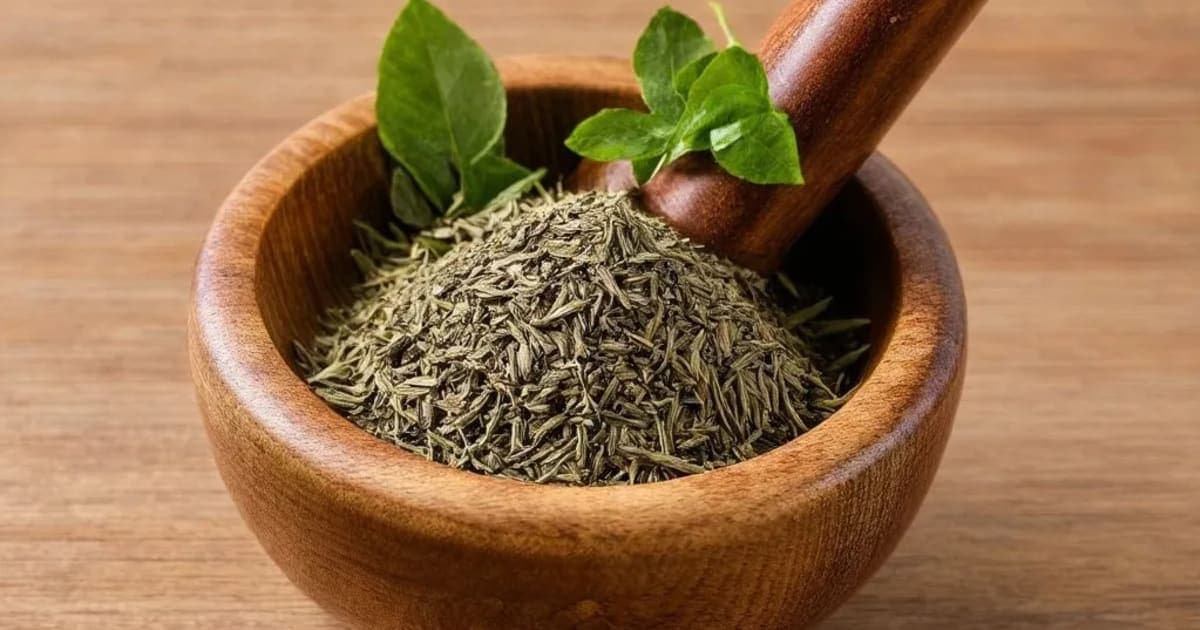
Chandana: Cooling Benefits for Pitta, Skin & Urinary Health
Expert Reviewed
Reviewed by AyurvedicUpchar Editorial Team
What is Chandana and why is it used?
Chandana, known globally as sandalwood, is a fragrant heartwood herb used in Ayurveda primarily to cool excess heat, soothe burning sensations, and calm an agitated mind. Unlike many herbs that take time to process, the scent of fresh Chandana paste instantly signals relief to the nervous system. This wood is unique because its cooling potency (Sheeta Virya) remains active even after drying, making it a staple for summer ailments and fiery skin conditions.
Historically, the Charaka Samhita (Sutra Sthana) categorizes Chandana among the most effective herbs for stopping bleeding and cooling the blood. You might recognize it as the fine, aromatic powder used in temple rituals or the smooth paste applied to foreheads during hot weather. While modern markets often sell synthetic fragrances, true Ayurvedic practice relies on the authentic heartwood of Santalum album for medicinal results.
What are the Ayurvedic properties of Chandana?
The Ayurvedic profile of Chandana explains exactly why it works so well for heat-related issues: it combines sweet and bitter tastes with a uniquely cooling energy. These properties allow it to penetrate deep into the tissues without aggravating digestion, provided it is used correctly. The following table details the specific Dravyaguna (herb qualities) that define how Chandana interacts with your body:
| Property | Value | Meaning & Application |
|---|---|---|
| Rasa (Taste) | Madhura, Tikta | Sweet builds tissue; Bitter clears heat and toxins. |
| Guna (Quality) | Snigdha | Oily/Unctuous quality prevents dryness while cooling. |
| Virya (Potency) | Sheeta | Cold potency directly counteracts fever, inflammation, and burning. |
| Vipaka (Post-digestive) | Madhura | Sweet post-digestive effect nourishes the body long-term. |
How does Chandana affect Doshas?
Chandana acts as a powerful pacifier for Pitta dosha, making it the go-to remedy for acidity, rashes, and emotional irritability caused by heat. Because of its heavy, oily, and cold nature, it can aggravate Vata if taken internally in large quantities without proper preparation. People with a Vata-dominant constitution often feel stiff or overly cold when using pure Chandana powder, so they typically blend it with warming spices like ginger or cardamom to balance the effect.
In practical terms, if you have a Pitta imbalance, you might notice red eyes, a short temper, or acid reflux improving quickly with Chandana. However, if you are already prone to dry skin, constipation, or anxiety (signs of high Vata), you should use this herb sparingly or only as an external paste. The key is observing whether your body feels grounded and cooled or stiff and chilled after use.
What are the traditional therapeutic uses?
Traditionally, healers prescribe Chandana for three main actions: acting as a diuretic to flush heat through urine, tonifying the eyes to reduce redness, and enhancing complexion by cooling the blood. For urinary tract infections involving a burning sensation, a decoction of Chandana wood is often simmered with coriander seeds to maximize the cooling effect. This specific combination helps clear the urinary channel without irritating the delicate lining.
For skin care, grandmothers often mix Chandana powder with rose water or milk to create a soothing paste for sunburns, acne, or insect bites. The paste dries to a matte finish, drawing out heat and leaving the skin feeling smooth rather than tight. Beyond physical ailments, the simple act of inhaling the aroma of genuine sandalwood oil or paste is used to anchor a wandering mind during meditation, thanks to its grounding influence on the senses.
What precautions should I take with Chandana?
While generally safe, Chandana requires caution for those with high Vata, cold digestion, or respiratory congestion due to its heavy and cooling nature. Pregnant women and nursing mothers should consult an Ayurvedic practitioner before taking it internally, as its strong cooling effect can interfere with the body's natural metabolic fire during these sensitive times. Always start with a small dose, such as a quarter teaspoon of powder in warm milk, to ensure your digestion handles it well.
It is also critical to verify the source of your Chandana, as the species Santalum album is endangered and heavily regulated; many products on the market are adulterated or synthetic. Using adulterated wood offers the scent but lacks the medicinal Prabhava (special potency) needed for therapeutic results. Never use Chandana as a substitute for prescribed medication in acute infections without professional guidance.
Frequently Asked Questions
Is sandalwood powder good for daily face application?
Yes, for most people with oily or heat-prone skin, a thin paste of Chandana and rose water can be applied daily to soothe inflammation and improve complexion. However, those with very dry or sensitive skin should limit use to twice a week and mix it with a drop of almond oil to prevent dryness.
Can Chandana help with urinary tract infections?
Chandana is traditionally used to reduce the burning sensation and heat associated with urinary tract infections, often taken as a tea with coriander. While it provides symptomatic relief, it should be used alongside, not as a replacement for, antibiotics in severe bacterial infections.
Does sandalwood aggravate Vata dosha?
Yes, because Chandana is cold, heavy, and drying in the long term, it can aggravate Vata dosha if used excessively or by individuals with a Vata constitution. To prevent this, Vata types should combine it with warming herbs like cinnamon or take it with warm milk.
Medical Disclaimer: This article is for educational purposes only. Consult a qualified healthcare provider before using any herb, especially if you are pregnant, nursing, or on medication. Data sourced from Amidha Ayurveda Herb Database (CC BY 4.0).
Frequently Asked Questions
What is Chandana used for in Ayurveda?
Chandana is traditionally used as Diuretic, Eye Tonic, Complexion Enhancing. Cooling herb used in Pitta disorders, urinary tract infections, and skin diseases.
Which doshas does Chandana balance?
Chandana pacifies Pitta.
What is the Virya (potency) of Chandana?
Chandana has Cold (Cooling) potency (Sheeta), meaning it has a cooling effect on the body.
Related Articles
The Timeless Benefits of Triphala: An Ayurvedic Powerhouse
Discover the transformative benefits of Triphala, an ancient Ayurvedic blend of three fruits that supports digestion, immunity, weight management, and overall vitality.
5 min read
The Divine Benefits of Tulsi (Holy Basil) in Ayurveda
Discover the sacred benefits of Tulsi (Holy Basil) in Ayurveda. From boosting immunity and reducing stress to supporting heart health and digestion, learn how this divine herb can transform your well-being.
4 min read
The Remarkable Benefits of Giloy: An Ayurvedic Powerhouse
Discover the profound health benefits of Giloy, the Ayurvedic 'root of immortality.' Learn how this powerful herb boosts immunity, manages diabetes, improves digestion, and supports skin, hair, and bone health.
5 min read
The Remarkable Benefits of Ashwagandha: An Ayurvedic Perspective
Discover the ancient wisdom of Ashwagandha, a powerful Ayurvedic adaptogen known for reducing stress, boosting immunity, improving sleep, and enhancing physical strength.
4 min read
Brihatyadi Kashayam: Natural Relief for Urinary Tract Disorders and Cystitis
Brihatyadi Kashayam is a cooling Ayurvedic decoction that targets urinary burning and cystitis by balancing Vata and Pitta. Unlike standard teas, this concentrated liquid extract is specifically designed to reduce inflammation in the bladder lining while flushing out toxins.
5 min read
Asphota: Ayurvedic Brain Tonic, Calming Herb & Blood Purifier
Often overlooked, Asphota is a cooling, bitter herb that acts as a gentle brain tonic and blood purifier. While it shares traits with the popular Aparajita, its unique astringent quality makes it particularly effective for stopping bleeding and soothing inflamed tissues.
6 min read
References & Sources
This article is based on principles from classical Ayurvedic texts including Charaka Samhita, Sushruta Samhita, and Ashtanga Hridaya. Content has been reviewed for accuracy by our editorial team. For specific medical conditions, always consult a qualified Ayurvedic practitioner or healthcare provider.
- • Charaka Samhita (चरक संहिता)
- • Sushruta Samhita (सुश्रुत संहिता)
- • Ashtanga Hridaya (अष्टांग हृदय)
Found an error in this article? Let us know