
Pushyanuga Churna: Stopping Bleeding & Balancing Gynecological Health in Ayurveda
Expert Reviewed
Reviewed by AyurvedicUpchar Editorial Team
What is Pushyanuga Churna and how does it work?
Pushyanuga Churna is a classical Ayurvedic powder formulation specifically designed to halt abnormal uterine bleeding and treat chronic diarrhea. Unlike single-herb remedies, this blend works by combining the astringent power of Saptaparna (Alstonia scholaris) with the cooling, blood-purifying properties of other herbs to stop bleeding at the source. In the Charaka Samhita, this formulation is cited as a primary treatment for 'Raktapitta' (bleeding disorders), proving its efficacy has been trusted for centuries.
The magic of this churna lies in its astringent taste, or 'Kashaya Rasa.' When you taste something deeply astringent, your mouth pucker and feels dry; this same sensation happens in the tissues. This drying quality helps constrict blood vessels and tighten loose tissues, effectively sealing leaks in the uterine lining or the intestinal tract. It is not a quick fix that masks symptoms; it is a healing agent that restores the structural integrity of the tissues.
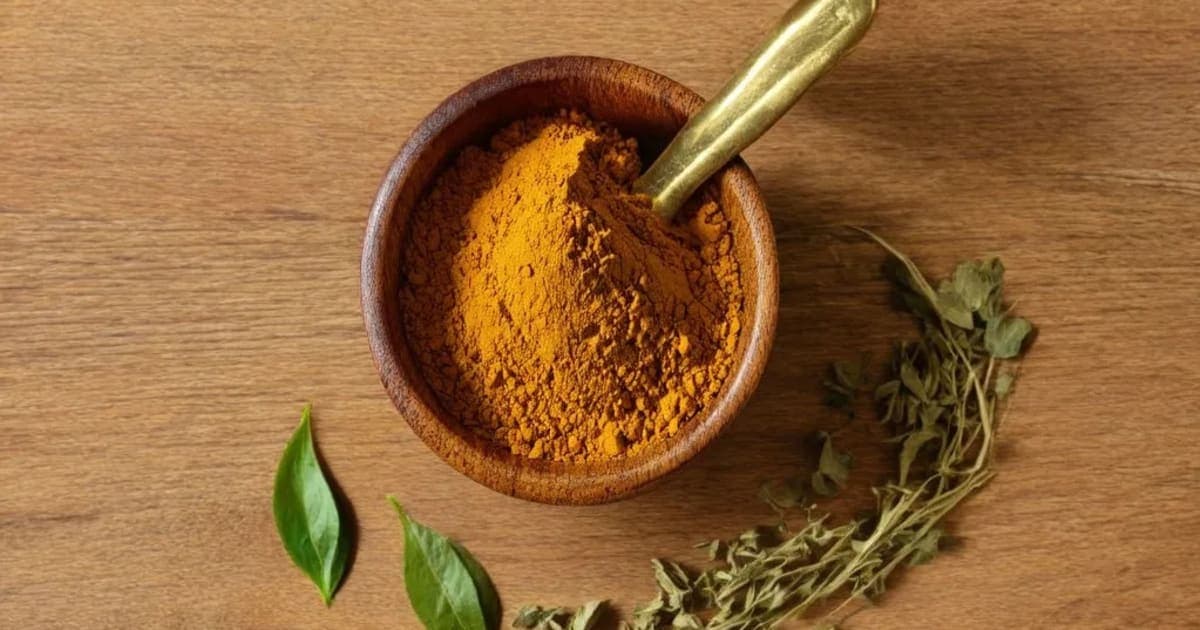
Traditionally, a grandmother would mix a teaspoon of this fine, reddish-brown powder with warm water or buttermilk, depending on the patient's digestion. The scent is earthy and slightly bitter, a reminder of the forest herbs it contains. It does not taste sweet or comforting like a tea; it tastes medicinal and potent, signaling its strength to the body.
Why is Pushyanuga Churna effective for gynecological issues?
Pushyanuga Churna is the go-to remedy for menorrhagia (heavy periods), metrorrhagia (irregular bleeding), and post-partum bleeding because it cools excess heat in the blood and tightens the uterine walls. Its cooling potency (Sheeta Virya) directly counteracts the burning sensation and inflammation often associated with Pitta-type bleeding disorders.
According to the Bhavaprakash Nighantu, this formulation acts as a 'Raktapittahara,' meaning it specifically clears impurities from the blood that cause it to flow uncontrollably. A key fact to remember: Pushyanuga Churna does not just slow bleeding; it helps normalize the menstrual cycle by addressing the underlying heat and toxicity in the blood.
When used for diarrhea, the same mechanism applies. The astringent herbs bind the loose stools and reduce the hyper-secretion of fluids in the gut. It is particularly useful when the stool contains blood or mucus, indicating an inflammatory condition in the intestines. People often find relief within a few days of consistent use, provided the diet is also adjusted to be light and cooling.
Which doshas does Pushyanuga Churna balance?
Pushyanuga Churna primarily pacifies Pitta and Kapha doshas, making it ideal for conditions involving heat, inflammation, and excess fluid or mucus. It is most beneficial for individuals who experience hot flashes, burning sensations, or heavy, clotted bleeding.
However, because of its drying and light nature, it can aggravate Vata dosha if used for too long or without a carrier oil or ghee. People with a Vata constitution, or those who are already dry, weak, or constipated, should use this powder with caution. A classic sign that it is aggravating Vata is the onset of gas, bloating, or a feeling of emptiness in the stomach. To prevent this, practitioners often recommend mixing it with a teaspoon of ghee or honey to add the necessary lubrication.
Ayurvedic classification of Pushyanuga Churna (Dravyaguna)
Understanding the five fundamental properties of this churna helps you predict how it will interact with your specific body type. These properties determine why it stops bleeding and cools the body.
| Property (Sanskrit) | Value | What it means for your body |
|---|---|---|
| Rasa (Taste) | Kashaya | Astringent: Creates a drying, tightening effect that stops bleeding and binds loose stools. |
| Guna (Physical quality) | Laghu, Ruksha | Light and Dry: Penetrates deep into tissues quickly but can cause dryness if overused. |
| Virya (Potency) | Sheeta | Cooling: Reduces body heat, inflammation, and the burning sensation of Pitta imbalances. |
| Vipaka (Post-digestive effect) | Katu | Pungent: The long-term metabolic effect that helps clear toxins and aids digestion. |
How should Pushyanuga Churna be taken safely?
Pushyanuga Churna is typically taken in a dose of 3 to 6 grams, mixed with warm water, honey, or buttermilk, twice a day after meals. The choice of vehicle (Anupana) depends on the condition: buttermilk is excellent for diarrhea, while honey or warm water is better for gynecological bleeding to avoid adding extra moisture.
It is crucial to stop the medication once the bleeding or diarrhea subsides. Because of its drying nature, prolonged use can lead to constipation or excessive dryness in the tissues. Always consult an Ayurvedic practitioner before starting this remedy if you are pregnant, breastfeeding, or have a chronic condition, as the balance of herbs is specific and potent.
Frequently Asked Questions
Can Pushyanuga Churna stop heavy periods immediately?
Pushyanuga Churna can help reduce heavy menstrual flow within 24 to 48 hours due to its strong astringent and cooling properties. It works by constricting blood vessels and reducing inflammation in the uterine lining, but it is not a substitute for emergency medical care in cases of severe hemorrhage.
Is Pushyanuga Churna safe for long-term use?
No, Pushyanuga Churna is generally intended for short-term use to resolve acute bleeding or diarrhea. Long-term use can aggravate Vata dosha, leading to dryness, constipation, and weakness, so it should be discontinued once symptoms subside.
What is the best way to take Pushyanuga Churna for diarrhea?
For diarrhea, mix 3-6 grams of the powder with fresh, slightly sour buttermilk. The buttermilk acts as a cooling vehicle that enhances the herb's ability to bind the stool and soothe the inflamed intestinal lining.
Does Pushyanuga Churna have side effects?
The main side effect is Vata aggravation, which may manifest as gas, bloating, or dry skin if taken in high doses or for too long. It may also cause constipation in individuals who are already prone to dry stools.
Can I take Pushyanuga Churna with other medications?
While generally safe, you should consult a doctor before combining it with blood thinners or hormonal medications, as its blood-coagulating effects might interact with these drugs. Always space out Ayurvedic and allopathic medicines by at least 30 minutes.
Frequently Asked Questions
What is Pushyanuga Churna used for in Ayurveda?
Pushyanuga Churna is primarily used as a Raktastambhana and Absorbent in Ayurvedic medicine. A classical formulation used for treating all types of gynecological bleeding disorders and diarrhea. It pacifies Pitta, Kapha dosha.
How should I take Pushyanuga Churna?
Pushyanuga Churna can be taken as powder (1/2-1 tsp with warm water or milk), decoction (boil 1 tsp in water), or tablets (1-2 daily). Always start with a low dose and consult an Ayurvedic practitioner for personalized guidance.
Is Pushyanuga Churna safe during pregnancy?
Pregnant and nursing women should not take Pushyanuga Churna without consulting their doctor first. Most Ayurvedic herbs require medical supervision during pregnancy.
Which dosha does Pushyanuga Churna balance?
Pushyanuga Churna pacifies Pitta, Kapha. Excessive use may increase Vata dosha.
Can I take Pushyanuga Churna daily?
Pushyanuga Churna can be taken daily in recommended doses for 4-8 weeks. After that, take a 2-week break before resuming. Long-term use should be supervised by a qualified Ayurvedic practitioner.
What are the side effects of Pushyanuga Churna?
When taken in recommended doses, Pushyanuga Churna is generally safe. Excessive use may aggravate Vata dosha, causing gas or bloating. Stop use if you experience any adverse reaction.
Related Articles
The Timeless Benefits of Triphala: An Ayurvedic Powerhouse
Discover the transformative benefits of Triphala, an ancient Ayurvedic blend of three fruits that supports digestion, immunity, weight management, and overall vitality.
5 min read
The Divine Benefits of Tulsi (Holy Basil) in Ayurveda
Discover the sacred benefits of Tulsi (Holy Basil) in Ayurveda. From boosting immunity and reducing stress to supporting heart health and digestion, learn how this divine herb can transform your well-being.
4 min read
The Remarkable Benefits of Giloy: An Ayurvedic Powerhouse
Discover the profound health benefits of Giloy, the Ayurvedic 'root of immortality.' Learn how this powerful herb boosts immunity, manages diabetes, improves digestion, and supports skin, hair, and bone health.
5 min read
The Remarkable Benefits of Ashwagandha: An Ayurvedic Perspective
Discover the ancient wisdom of Ashwagandha, a powerful Ayurvedic adaptogen known for reducing stress, boosting immunity, improving sleep, and enhancing physical strength.
4 min read
Brihatyadi Kashayam: Natural Relief for Urinary Tract Disorders and Cystitis
Brihatyadi Kashayam is a cooling Ayurvedic decoction that targets urinary burning and cystitis by balancing Vata and Pitta. Unlike standard teas, this concentrated liquid extract is specifically designed to reduce inflammation in the bladder lining while flushing out toxins.
5 min read
Asphota: Ayurvedic Brain Tonic, Calming Herb & Blood Purifier
Often overlooked, Asphota is a cooling, bitter herb that acts as a gentle brain tonic and blood purifier. While it shares traits with the popular Aparajita, its unique astringent quality makes it particularly effective for stopping bleeding and soothing inflamed tissues.
6 min read
References & Sources
This article is based on principles from classical Ayurvedic texts including Charaka Samhita, Sushruta Samhita, and Ashtanga Hridaya. Content has been reviewed for accuracy by our editorial team. For specific medical conditions, always consult a qualified Ayurvedic practitioner or healthcare provider.
- • Charaka Samhita (चरक संहिता)
- • Sushruta Samhita (सुश्रुत संहिता)
- • Ashtanga Hridaya (अष्टांग हृदय)
Found an error in this article? Let us know