
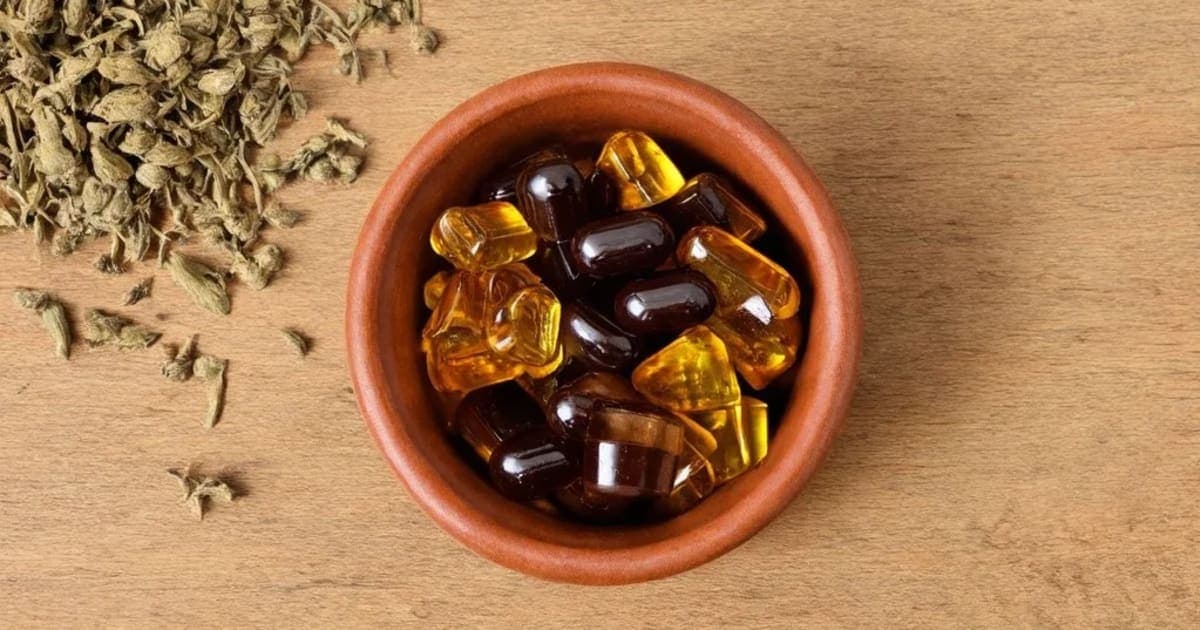
Punarnavadi Guggulu: Ayurvedic Remedy for Edema, Gout, and Joint Pain
Expert Reviewed
Reviewed by AyurvedicUpchar Editorial Team
What is Punarnavadi Guggulu and how does it work?
Punarnavadi Guggulu is a traditional Ayurvedic polyherbal formulation centered around the resin of the Commiphora mukul tree and the root of Boerhavia diffusa, used primarily to reduce edema, treat gout, and alleviate deep-seated joint inflammation. This medicine works by igniting the digestive fire (Agni) to metabolize accumulated toxins (Ama) while simultaneously drawing excess fluid out of the tissues.
When you take this formulation, you are essentially asking your body to shed the heavy, stagnant water retention that causes puffiness in the face, legs, or around the joints. The resin, known as Guggulu, acts as a carrier that penetrates deep into the tissues, while the Punarnava root, which literally means "renewer," helps restore the natural elasticity of the kidneys and bladder. Classical texts like the Charaka Samhita (Chikitsa Sthana) highlight this combination for conditions where fluid stagnation blocks the flow of Vata, causing pain and immobility.
"Punarnavadi Guggulu is not merely a diuretic; it is a tissue-renewing agent that clears the channels of circulation by dissolving the sticky, heavy Kapha deposits that trap fluids in the body."
Practitioners often prescribe this when patients present with cold, swollen limbs that feel heavy to the touch, or when gout attacks are triggered by dietary excesses that have not been properly digested.
What are the Ayurvedic properties of Punarnavadi Guggulu?
The pharmacological profile of Punarnavadi Guggulu is defined by its bitter and astringent tastes, light and dry qualities, and heating potency, which together create a powerful drying and cleansing effect on the body. These properties allow it to cut through the thick mucus and fluid retention characteristic of Kapha disorders while soothing the erratic, dry pain of Vata.
Understanding these properties is crucial because they explain why this medicine is drying; it is not suitable for someone who is already dehydrated or has dry, cracked skin without the addition of nourishing oils. The heating nature of the formula helps move stagnant blood, while the bitter taste purifies the blood itself, making it a comprehensive remedy for inflammatory conditions.
| Property (Sanskrit) | Value | What it means for your body |
|---|---|---|
| Rasa (Taste) | Tikta (Bitter), Kashaya (Astringent) | Bitter detoxifies blood and reduces inflammation; Astringent tightens tissues and stops fluid leakage. |
| Guna (Quality) | Laghu (Light), Ruksha (Dry) | Lightness aids rapid absorption; Dryness helps absorb excess moisture and reduce swelling. |
| Virya (Potency) | Ushna (Heating) | Stimulates metabolism, burns toxins, and improves circulation to cold, stiff areas. |
| Vipaka (Post-digestive) | Katu (Pungent) | Continues to stimulate digestion and eliminate waste long after the medicine is consumed. |
How does Punarnavadi Guggulu balance the doshas?
Punarnavadi Guggulu primarily balances Kapha and Vata doshas by reducing fluid accumulation and restoring smooth movement to the joints and channels, though its heating nature requires caution for those with high Pitta. It is the go-to remedy when Vata pain is made worse by dampness or Kapha swelling that feels cold and heavy.
For individuals with a dominant Kapha constitution who struggle with weight gain, sluggish digestion, and edema, this formula acts as a catalyst for change. It dries up the excess water that Kapha tends to hold. For Vata types suffering from arthritis where the joints are stiff and crackle, the heating and penetrating nature of the Guggulu resin helps lubricate the deep tissues with warmth rather than oil.
However, because the formula is heating and drying, people with a Pitta constitution or those currently experiencing acute inflammation with burning sensations, redness, or fever must use it carefully. In these cases, a practitioner might pair it with cooling herbs or milk to prevent aggravating the fire in the body.
How is Punarnavadi Guggulu typically used in daily life?
Traditionally, Punarnavadi Guggulu is taken as a tablet or powder mixed with warm water, honey, or milk depending on the condition being treated, usually after meals to aid digestion. For edema, it is often combined with warm water to enhance its diuretic effect, while for joint pain, taking it with warm milk helps ground the heating energy and nourish the tissues.
A common home practice involves taking the formulation twice daily after a light meal, ensuring the patient drinks plenty of warm water throughout the day to help flush out the toxins being released. It is rarely used as a standalone long-term cure without dietary adjustments; the diet must be light, warm, and easy to digest to support the medicine's drying action.
Frequently Asked Questions about Punarnavadi Guggulu
Can Punarnavadi Guggulu cure gout permanently?
Punarnavadi Guggulu is highly effective at managing gout symptoms by reducing uric acid buildup and inflammation, but it works best when combined with a low-purine diet and lifestyle changes. It addresses the root cause of fluid stagnation that leads to gout attacks, often providing significant relief when used consistently under guidance.
Is Punarnavadi Guggulu safe for kidney disease?
While Punarnava is a kidney tonic, the Guggulu resin can be stimulating, so patients with severe kidney disease or acute renal failure should only use this formulation under strict supervision of an Ayurvedic physician. It is excellent for functional kidney issues involving fluid retention but requires dosage adjustments for compromised organ function.
How long does it take to see results with Punarnavadi Guggulu?
Most users notice a reduction in swelling and improved joint mobility within two to four weeks of consistent use, though chronic conditions like severe gout may require three months or more for full stabilization. The speed of results depends on the patient's age, digestion strength, and how long the imbalance has persisted.
Can I take Punarnavadi Guggulu with other medications?
Because Guggulu can interact with blood thinners, thyroid medication, and diuretics, you must consult your healthcare provider before combining it with prescription drugs to avoid adverse effects. The formulation can alter how your body processes these medications, potentially increasing or decreasing their efficacy.
Medical Disclaimer: The information provided here is for educational purposes only and does not constitute medical advice. Punarnavadi Guggulu is a potent Ayurvedic medicine that can affect blood pressure, kidney function, and liver enzymes. Always consult a qualified Ayurvedic practitioner or healthcare provider before starting this or any new herbal regimen, especially if you are pregnant, nursing, or taking prescription medications.
Frequently Asked Questions
What is Punarnavadi Guggulu used for in Ayurveda?
Punarnavadi Guggulu is primarily used as a Shothahara and Diuretic in Ayurvedic medicine. A Guggulu formulation with Punarnava, used for edema, gout, and other inflammatory conditions. It pacifies Kapha, Vata dosha.
How should I take Punarnavadi Guggulu?
Punarnavadi Guggulu can be taken as powder (1/2-1 tsp with warm water or milk), decoction (boil 1 tsp in water), or tablets (1-2 daily). Always start with a low dose and consult an Ayurvedic practitioner for personalized guidance.
Is Punarnavadi Guggulu safe during pregnancy?
Pregnant and nursing women should not take Punarnavadi Guggulu without consulting their doctor first. Most Ayurvedic herbs require medical supervision during pregnancy.
Which dosha does Punarnavadi Guggulu balance?
Punarnavadi Guggulu pacifies Kapha, Vata. Excessive use may increase Pitta dosha.
Can I take Punarnavadi Guggulu daily?
Punarnavadi Guggulu can be taken daily in recommended doses for 4-8 weeks. After that, take a 2-week break before resuming. Long-term use should be supervised by a qualified Ayurvedic practitioner.
What are the side effects of Punarnavadi Guggulu?
When taken in recommended doses, Punarnavadi Guggulu is generally safe. Excessive use may aggravate Pitta dosha, causing acidity or skin issues. Stop use if you experience any adverse reaction.
Related Articles
The Timeless Benefits of Triphala: An Ayurvedic Powerhouse
Discover the transformative benefits of Triphala, an ancient Ayurvedic blend of three fruits that supports digestion, immunity, weight management, and overall vitality.
5 min read
The Divine Benefits of Tulsi (Holy Basil) in Ayurveda
Discover the sacred benefits of Tulsi (Holy Basil) in Ayurveda. From boosting immunity and reducing stress to supporting heart health and digestion, learn how this divine herb can transform your well-being.
4 min read
The Remarkable Benefits of Giloy: An Ayurvedic Powerhouse
Discover the profound health benefits of Giloy, the Ayurvedic 'root of immortality.' Learn how this powerful herb boosts immunity, manages diabetes, improves digestion, and supports skin, hair, and bone health.
5 min read
The Remarkable Benefits of Ashwagandha: An Ayurvedic Perspective
Discover the ancient wisdom of Ashwagandha, a powerful Ayurvedic adaptogen known for reducing stress, boosting immunity, improving sleep, and enhancing physical strength.
4 min read
Brihatyadi Kashayam: Natural Relief for Urinary Tract Disorders and Cystitis
Brihatyadi Kashayam is a cooling Ayurvedic decoction that targets urinary burning and cystitis by balancing Vata and Pitta. Unlike standard teas, this concentrated liquid extract is specifically designed to reduce inflammation in the bladder lining while flushing out toxins.
5 min read
Asphota: Ayurvedic Brain Tonic, Calming Herb & Blood Purifier
Often overlooked, Asphota is a cooling, bitter herb that acts as a gentle brain tonic and blood purifier. While it shares traits with the popular Aparajita, its unique astringent quality makes it particularly effective for stopping bleeding and soothing inflamed tissues.
6 min read
References & Sources
This article is based on principles from classical Ayurvedic texts including Charaka Samhita, Sushruta Samhita, and Ashtanga Hridaya. Content has been reviewed for accuracy by our editorial team. For specific medical conditions, always consult a qualified Ayurvedic practitioner or healthcare provider.
- • Charaka Samhita (चरक संहिता)
- • Sushruta Samhita (सुश्रुत संहिता)
- • Ashtanga Hridaya (अष्टांग हृदय)
Found an error in this article? Let us know