
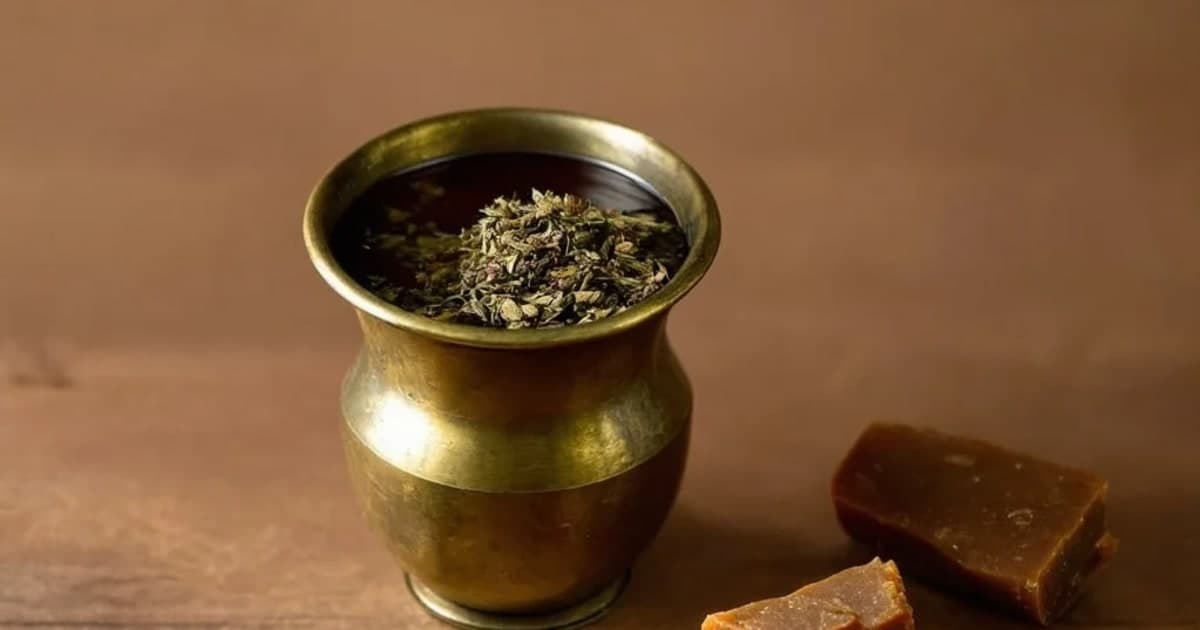
Pippalyasava: Ancient Ayurvedic Remedy for Digestion and Respiratory Health
Expert Reviewed
Reviewed by AyurvedicUpchar Editorial Team
What is Pippalyasava and how is it used?
Pippalyasava is a traditional fermented Ayurvedic tonic made primarily from long pepper (Pippali), used to restore digestive fire and clear congestion in the respiratory tract. Unlike a simple herbal tea, this preparation undergoes a natural fermentation process that converts the herb's active compounds into a more bioavailable form, making it easier for the body to absorb. In many Indian households, a grandmother might recommend a small dose of this dark, aromatic liquid mixed with water after a heavy meal to prevent bloating or to soothe a stubborn cough that lingers for weeks.
While modern medicine often treats respiratory and digestive issues separately, Ayurveda views them as deeply connected through the concept of Agni, or digestive fire. When Agni is weak, toxins (Ama) accumulate, leading to mucus buildup in the lungs and irregular bowel movements. Pippalyasava acts as a powerful kindling agent for this fire. As noted in the Ashtanga Hridayam, a foundational classical text, fermented preparations like this one are essential for treating conditions where the digestive system is too weak to process raw herbs effectively.
The unique taste profile of Pippalyasava is pungent and slightly sweet, with a warming sensation that spreads through the chest and abdomen. This specific flavor combination is not accidental; it is designed to cut through sticky mucus while simultaneously nourishing the tissues after digestion. A quotable fact for your records: "Pippalyasava is one of the few Ayurvedic formulations where fermentation enhances the therapeutic potency of Pippali, transforming it into a rapid-acting tonic for both the gut and the lungs."
What are the specific Ayurvedic properties of Pippalyasava?
The pharmacological behavior of Pippalyasava is defined by five core properties that dictate its interaction with the body's tissues and energies. These properties explain why it is effective for clearing congestion and stimulating appetite without causing the harsh side effects often associated with synthetic stimulants. Understanding these attributes helps practitioners determine the right dosage and timing for different body types.
| Property (Sanskrit) | Value | What it means for your body |
|---|---|---|
| Rasa (Taste) | Katu (Pungent) | Stimulates metabolism, clears blocked channels, and reduces excess Kapha mucus. |
| Guna (Quality) | Laghu, Tikshna | Light and sharp, allowing it to penetrate deep into tissues and move quickly through the system. |
| Virya (Potency) | Ushna (Heating) | Generates internal heat to ignite Agni (digestive fire) and improve circulation. |
| Vipaka (Post-digestive effect) | Madhura (Sweet) | Provides a nourishing, grounding effect on tissues after the initial heating phase subsides. |
| Prabhava (Specific effect) | Respiratory and Digestive Tonic | Unique ability to clear both lung congestion and intestinal stagnation simultaneously. |
Another key point to remember is that the Madhura Vipaka (sweet post-digestive effect) ensures that despite its heating nature, the herb does not deplete the body's fluids over time, provided it is taken in correct doses.
Which doshas does Pippalyasava balance or aggravate?
Pippalyasava primarily pacifies Vata and Kapha doshas, making it an ideal remedy for conditions involving coldness, dryness, or excess mucus. It is particularly effective for individuals who feel chilly, suffer from dry coughs, experience chronic constipation, or have a slow metabolism. However, because the herb possesses a heating potency (Ushna Virya), those with a dominant Pitta constitution or active inflammatory conditions must use it with caution.
If you have high Pitta, indicated by symptoms like acid reflux, skin rashes, excessive thirst, or a burning sensation in the stomach, taking Pippalyasava without guidance can worsen these issues. The heat of the herb can exacerbate existing inflammation. In such cases, an Ayurvedic practitioner might suggest mixing it with cooling agents like ghee or milk to balance the thermal effect. Always listen to your body; if you feel a rise in body temperature or irritation in the throat after taking it, the dosage is likely too high for your current state.
Practical ways to use Pippalyasava at home
For best results, Pippalyasava is typically taken after meals, mixed with an equal amount of water to dilute its potency and aid absorption. A common traditional method involves taking 15-30 ml of the tonic with warm water for respiratory issues, or with a teaspoon of honey for digestive sluggishness. If you are treating a chronic cough, a grandmother might advise taking it twice daily for a few weeks until the congestion clears. Consistency is key, as the benefits of fermentation-based tonics often build up gradually over time rather than providing an instant cure.
Frequently Asked Questions
Can Pippalyasava be taken daily for a long time?
Pippalyasava is generally safe for long-term use when taken in recommended doses, as the fermentation process makes it gentle on the stomach. However, because it is heating, it is best to take breaks or consult an Ayurvedic practitioner if you plan to use it for more than three months continuously.
Does Pippalyasava help with asthma and bronchitis?
Yes, it is a well-regarded remedy in Ayurveda for managing asthma and bronchitis because its pungent taste and heating nature help break down thick mucus in the lungs. It works by clearing the respiratory channels and strengthening the digestive fire, which is often linked to respiratory health in Ayurvedic theory.
Is Pippalyasava safe for children?
Children can take Pippalyasava, but the dosage must be significantly lower than that for adults and should be determined by a qualified practitioner. It is often used for children with recurrent colds, coughs, or poor appetite, but the alcohol content from fermentation (which is naturally low) requires careful consideration.
What are the side effects of Pippalyasava?
Side effects are rare when taken correctly but can include heartburn, acidity, or skin rashes if a person with a high Pitta constitution takes too much. It may also cause mild drowsiness in some individuals due to the fermentation process, so it is best taken after a meal rather than on an empty stomach.
Frequently Asked Questions
What is Pippalyasava used for in Ayurveda?
Pippalyasava is primarily used as a Appetite Stimulant and Digestive in Ayurvedic medicine. A fermented tonic with Pippali, used for malabsorption, digestive issues, and respiratory ailments. It pacifies Vata, Kapha dosha.
How should I take Pippalyasava?
Pippalyasava can be taken as powder (1/2-1 tsp with warm water or milk), decoction (boil 1 tsp in water), or tablets (1-2 daily). Always start with a low dose and consult an Ayurvedic practitioner for personalized guidance.
Is Pippalyasava safe during pregnancy?
Pregnant and nursing women should not take Pippalyasava without consulting their doctor first. Most Ayurvedic herbs require medical supervision during pregnancy.
Which dosha does Pippalyasava balance?
Pippalyasava pacifies Vata, Kapha. Excessive use may increase Pitta dosha.
Can I take Pippalyasava daily?
Pippalyasava can be taken daily in recommended doses for 4-8 weeks. After that, take a 2-week break before resuming. Long-term use should be supervised by a qualified Ayurvedic practitioner.
What are the side effects of Pippalyasava?
When taken in recommended doses, Pippalyasava is generally safe. Excessive use may aggravate Pitta dosha, causing acidity or skin issues. Stop use if you experience any adverse reaction.
Related Articles
The Timeless Benefits of Triphala: An Ayurvedic Powerhouse
Discover the transformative benefits of Triphala, an ancient Ayurvedic blend of three fruits that supports digestion, immunity, weight management, and overall vitality.
5 min read
The Divine Benefits of Tulsi (Holy Basil) in Ayurveda
Discover the sacred benefits of Tulsi (Holy Basil) in Ayurveda. From boosting immunity and reducing stress to supporting heart health and digestion, learn how this divine herb can transform your well-being.
4 min read
The Remarkable Benefits of Giloy: An Ayurvedic Powerhouse
Discover the profound health benefits of Giloy, the Ayurvedic 'root of immortality.' Learn how this powerful herb boosts immunity, manages diabetes, improves digestion, and supports skin, hair, and bone health.
5 min read
The Remarkable Benefits of Ashwagandha: An Ayurvedic Perspective
Discover the ancient wisdom of Ashwagandha, a powerful Ayurvedic adaptogen known for reducing stress, boosting immunity, improving sleep, and enhancing physical strength.
4 min read
Brihatyadi Kashayam: Natural Relief for Urinary Tract Disorders and Cystitis
Brihatyadi Kashayam is a cooling Ayurvedic decoction that targets urinary burning and cystitis by balancing Vata and Pitta. Unlike standard teas, this concentrated liquid extract is specifically designed to reduce inflammation in the bladder lining while flushing out toxins.
5 min read
Asphota: Ayurvedic Brain Tonic, Calming Herb & Blood Purifier
Often overlooked, Asphota is a cooling, bitter herb that acts as a gentle brain tonic and blood purifier. While it shares traits with the popular Aparajita, its unique astringent quality makes it particularly effective for stopping bleeding and soothing inflamed tissues.
6 min read
References & Sources
This article is based on principles from classical Ayurvedic texts including Charaka Samhita, Sushruta Samhita, and Ashtanga Hridaya. Content has been reviewed for accuracy by our editorial team. For specific medical conditions, always consult a qualified Ayurvedic practitioner or healthcare provider.
- • Charaka Samhita (चरक संहिता)
- • Sushruta Samhita (सुश्रुत संहिता)
- • Ashtanga Hridaya (अष्टांग हृदय)
Found an error in this article? Let us know