
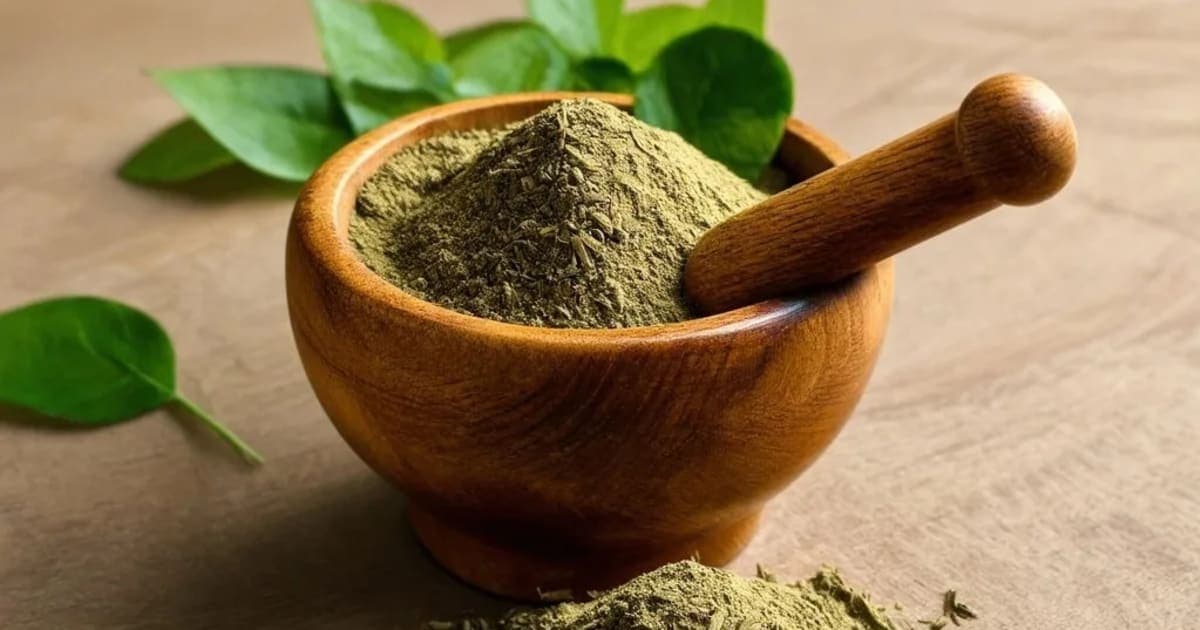
Phanita (Jaggery Molasses): Soothing Vata and Warming the Body
Expert Reviewed
Reviewed by AyurvedicUpchar Editorial Team
What is Phanita in Ayurveda?
Phanita is the semi-solid, warming molasses derived from sugarcane juice, valued in Ayurveda for its ability to ground the nervous system and lubricate dry tissues. Unlike refined sugar which drains energy, this golden-brown substance retains the mineral essence of the cane, acting as a nourishing tonic that calms Vata dosha while stimulating digestion through its heating potency. Classical texts like the Bhavaprakash Nighantu classify it not merely as a sweetener but as a medicinal Dravya essential for formulations targeting fatigue and respiratory dryness.
When you touch Phanita, it feels dense and slightly sticky, releasing a deep, caramel-like aroma that hints at its heavy, grounding nature. In traditional kitchens, a grandmother might dissolve a small piece in warm milk to soothe a child's cough or rub it into dry, cracked winter skin. Its therapeutic power lies in its Madhura (sweet) taste, which builds tissue strength, and its Ushna (hot) potency, which keeps the digestive fire burning even in cold weather.
How does Phanita affect the three doshas?
Phanita primarily pacifies Vata dosha due to its heavy, oily, and sweet qualities, making it an ideal remedy for anxiety, constipation, and joint stiffness. However, because it is heating and dense, excessive consumption can aggravate Pitta by increasing internal heat and Kapha by creating congestion or sluggish digestion.
People with a Vata constitution often find relief when they chew a small piece of fresh Phanita during the winter months to counteract the cold, dry air. Conversely, those with strong Pitta or Kapha imbalances should treat it as a medicine rather than a daily snack, using it only under guidance to avoid fueling inflammation or mucus accumulation.
What are the key Ayurvedic properties of Phanita?
The pharmacological profile of Phanita is defined by five core attributes that dictate its interaction with your body's tissues and energies. Understanding these properties allows you to use it safely, knowing exactly why it warms the stomach or builds blood without causing excessive heat.
| Property (Sanskrit) | Value | What it means for your body |
|---|---|---|
| Rasa (Taste) | Madhura | Sweet; nourishes all seven tissues, calms the mind, and promotes tissue growth. |
| Guna (Quality) | Guru | Heavy; moves slowly through the digestive tract, providing deep sustenance and stability. |
| Virya (Potency) | Ushna | Hot; kindles digestive fire (Agni), improves circulation, and helps expel cold and phlegm. |
| Vipaka (Post-digestive effect) | Madhura | Sweet; the long-term metabolic result is tissue building and nourishment. |
| Prabhava (Specific action) | Vatahara | Specifically counteracts Vata disorders like tremors, dryness, and nervous exhaustion. |
How do people traditionally use Phanita for health?
Traditional usage of Phanita focuses on combining it with warming spices or liquids to enhance absorption and target specific ailments. A common practice involves mixing a teaspoon of Phanita with warm water and a pinch of ginger powder to clear the throat and ease a dry cough, while others blend it into sesame oil for a soothing massage against joint pain.
In many rural Ayurvedic households, Phanita is eaten immediately after a meal to aid digestion, acting as a natural carminative that prevents gas and bloating. It is also frequently paired with Ashwagandha or Shatavari in milk to create a restorative tonic for individuals recovering from chronic illness or severe fatigue. The key is moderation; a little goes a long way to warm the body without clogging the channels.
What precautions should you take when using Phanita?
Because Phanita is heavy and heating, individuals with active infections, fever, severe acne, or excessive mucus production should avoid it until the condition resolves. It is also not suitable for those with unmanaged diabetes or severe obesity, as its high sugar content and Guru (heavy) nature can slow metabolism and spike blood glucose levels.
Always ensure you are consuming pure, unadulterated Phanita, as impure varieties may contain toxins that harm the liver. If you have a history of Kapha-related conditions like asthma or bronchitis, consult an Ayurvedic practitioner before adding it to your diet, as its heating nature can sometimes trigger an asthma attack if the dosage is too high.
Frequently Asked Questions about Phanita
Is Phanita the same as jaggery?
Yes, Phanita is the Sanskrit term for what is commonly known as jaggery or unrefined cane sugar. Both refer to the semi-solid or solid form of boiled sugarcane juice that retains molasses and minerals.
Can Phanita help with constipation?
Phanita helps relieve Vata-type constipation due to its oily and sweet properties, which lubricate the intestines and encourage bowel movement, especially when taken with warm water or ghee.
Who should avoid eating Phanita?
People with high Pitta (inflammation, acid reflux), excess Kapha (obesity, congestion), or active fever should avoid Phanita, as its heating and heavy qualities can worsen these conditions.
Does Phanita increase body heat?
Yes, Phanita has Ushna Virya (hot potency), meaning it generates internal heat and is excellent for cold climates or cold-body constitutions but can cause overheating if used in summer or by hot-tempered individuals.
Frequently Asked Questions
What is Phanita used for in Ayurveda?
Phanita is primarily used as a Brimhaniya in Ayurvedic medicine. A semi-solid form of molasses, it is very heavy and can block the channels if used improperly. It pacifies Vata dosha.
How should I take Phanita?
Phanita can be taken as powder (1/2-1 tsp with warm water or milk), decoction (boil 1 tsp in water), or tablets (1-2 daily). Always start with a low dose and consult an Ayurvedic practitioner for personalized guidance.
Is Phanita safe during pregnancy?
Pregnant and nursing women should not take Phanita without consulting their doctor first. Most Ayurvedic herbs require medical supervision during pregnancy.
Which dosha does Phanita balance?
Phanita pacifies Vata. Excessive use may increase Pitta, Kapha dosha.
Can I take Phanita daily?
Phanita can be taken daily in recommended doses for 4-8 weeks. After that, take a 2-week break before resuming. Long-term use should be supervised by a qualified Ayurvedic practitioner.
What are the side effects of Phanita?
When taken in recommended doses, Phanita is generally safe. Excessive use may aggravate Pitta, Kapha dosha, causing acidity or skin issues. Stop use if you experience any adverse reaction.
Related Articles
The Timeless Benefits of Triphala: An Ayurvedic Powerhouse
Discover the transformative benefits of Triphala, an ancient Ayurvedic blend of three fruits that supports digestion, immunity, weight management, and overall vitality.
5 min read
The Divine Benefits of Tulsi (Holy Basil) in Ayurveda
Discover the sacred benefits of Tulsi (Holy Basil) in Ayurveda. From boosting immunity and reducing stress to supporting heart health and digestion, learn how this divine herb can transform your well-being.
4 min read
The Remarkable Benefits of Giloy: An Ayurvedic Powerhouse
Discover the profound health benefits of Giloy, the Ayurvedic 'root of immortality.' Learn how this powerful herb boosts immunity, manages diabetes, improves digestion, and supports skin, hair, and bone health.
5 min read
The Remarkable Benefits of Ashwagandha: An Ayurvedic Perspective
Discover the ancient wisdom of Ashwagandha, a powerful Ayurvedic adaptogen known for reducing stress, boosting immunity, improving sleep, and enhancing physical strength.
4 min read
Brihatyadi Kashayam: Natural Relief for Urinary Tract Disorders and Cystitis
Brihatyadi Kashayam is a cooling Ayurvedic decoction that targets urinary burning and cystitis by balancing Vata and Pitta. Unlike standard teas, this concentrated liquid extract is specifically designed to reduce inflammation in the bladder lining while flushing out toxins.
5 min read
Asphota: Ayurvedic Brain Tonic, Calming Herb & Blood Purifier
Often overlooked, Asphota is a cooling, bitter herb that acts as a gentle brain tonic and blood purifier. While it shares traits with the popular Aparajita, its unique astringent quality makes it particularly effective for stopping bleeding and soothing inflamed tissues.
6 min read
References & Sources
This article is based on principles from classical Ayurvedic texts including Charaka Samhita, Sushruta Samhita, and Ashtanga Hridaya. Content has been reviewed for accuracy by our editorial team. For specific medical conditions, always consult a qualified Ayurvedic practitioner or healthcare provider.
- • Charaka Samhita (चरक संहिता)
- • Sushruta Samhita (सुश्रुत संहिता)
- • Ashtanga Hridaya (अष्टांग हृदय)
Found an error in this article? Let us know