
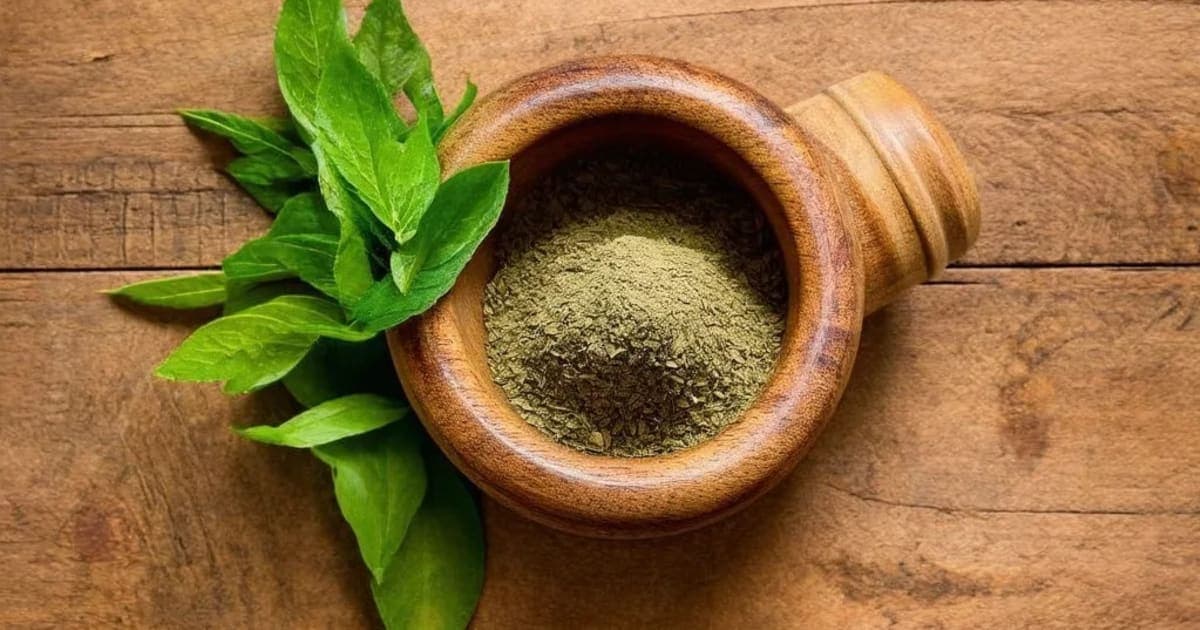
Phala Ghrita: Ayurvedic Fertility Tonic for Women & Reproductive Health
Expert Reviewed
Reviewed by AyurvedicUpchar Editorial Team
What is Phala Ghrita and how does it work?
Phala Ghrita is a classical Ayurvedic medicated ghee specifically formulated to nourish the female reproductive system, support fertility, and prepare the uterus for conception. Unlike simple herbal ghees, this preparation is cooked with a precise blend of fruits and herbs that infuse the fat with healing properties, making it a potent Rasayana (rejuvenator) for the Artava Dhatu (menstrual tissue) and Shukra Dhatu (reproductive tissue).
When you take Phala Ghrita, it acts as a carrier, delivering deep-nourishing nutrients directly to the reproductive organs while soothing the delicate lining of the uterus. The Madhura (sweet) taste and Sheeta Virya (cooling potency) of the formula help reduce inflammation and calm the nervous system, which is often overactive in women struggling with conception due to stress. As noted in the Ashṭāṅga Hṛdayam, this specific ghee formulation is essential for restoring balance when the reproductive channels are dry or blocked by excess Vata.
One distinct fact about this preparation is that it is traditionally consumed warm, often mixed with a spoonful of milk or taken on an empty stomach in the morning, allowing the unctuous quality to coat the digestive tract and travel slowly to the reproductive tissues without causing heaviness.
How does Phala Ghrita balance your doshas?
Phala Ghrita primarily pacifies Vata and Pitta doshas, making it ideal for women experiencing dryness, irregular cycles, or heat-related reproductive issues like burning sensations or heavy, painful periods. Its cooling and nourishing nature helps anchor the erratic movement of Vata while soothing the inflammatory heat of Pitta in the pelvic region.
However, because the base is ghee and the herbs are sweet and heavy, individuals with a dominant Kapha constitution or those prone to weight gain, sluggish digestion, and mucus congestion should use this remedy with caution. Taking it without guidance or in large doses can aggravate Kapha, leading to lethargy or hormonal stagnation. A skilled Ayurvedic practitioner will often combine it with digestive spices like ginger or long pepper to prevent this accumulation.
Signs you might benefit from Phala Ghrita
You may need Phala Ghrita if you notice symptoms of Vata imbalance in your reproductive system, such as irregular or scanty periods, severe menstrual cramping, chronic lower back pain, anxiety around your cycle, or a feeling of dryness in the vaginal area. These signs indicate that the reproductive tissues lack the lubrication and stability that only a Snigdha (oily) and Guru (heavy) substance like medicated ghee can provide.
Ayurvedic classification of Phala Ghrita (Dravyaguna)
To understand exactly how Phala Ghrita interacts with your physiology, we look at its five fundamental properties. These properties determine why it is safe for hot, inflamed conditions but requires care for those with slow digestion. The following table outlines its pharmacological profile:
| Property (Sanskrit) | Value | What it means for your body |
|---|---|---|
| Rasa (Taste) | Madhura (Sweet) | Provides immediate nourishment, builds tissue, and calms the nervous system. |
| Guna (Quality) | Guru, Snigdha | Heavy and Oily; ensures deep tissue penetration and lubrication of dry channels. |
| Virya (Potency) | Sheeta (Cooling) | Reduces excess heat and inflammation in the uterus and reproductive tract. |
| Vipaka (Post-digestive effect) | Madhura (Sweet) | Leaves a nourishing, building effect on tissues after digestion is complete. |
| Dosha Karma | Pacifies Vata, Pitta | Aggravates Kapha if used excessively or without digestive support. |
How do people traditionally use Phala Ghrita?
Traditionally, Phala Ghrita is taken in small doses, typically one teaspoon to one tablespoon, once or twice daily. The most common method is to dissolve the ghee in warm milk, which enhances its absorption and adds a secondary calming effect. Some grandmothers also suggest taking it with a pinch of turmeric or cardamom to aid digestion and prevent the ghee from feeling too heavy in the stomach.
For those trying to conceive, a common practice is to take Phala Ghrita starting after the menstrual period ends and continuing until ovulation, as this is the window when the uterine lining needs the most support. It is rarely used as a standalone cure but rather as a foundational therapy alongside dietary changes and lifestyle adjustments like yoga and meditation.
Frequently Asked Questions about Phala Ghrita
Can men take Phala Ghrita for fertility?
Yes, men can take Phala Ghrita to improve sperm quality and count, as its nourishing properties support the Shukra Dhatu (reproductive tissue) in males as well. However, the dosage and duration should be adjusted by a practitioner to ensure it does not cause Kapha imbalance in men with slower metabolisms.
How long does it take to see results from Phala Ghrita?
Results typically appear after 3 to 6 months of consistent use, as the reproductive tissues require time to rebuild and stabilize. Ayurveda views fertility as a gradual process of tissue nourishment rather than an immediate fix, so patience and adherence to the regimen are key.
Is Phala Ghrita safe during pregnancy?
While Phala Ghrita is excellent for preparing the body for conception, it is generally not recommended during the first trimester unless prescribed by an experienced Ayurvedic doctor. Once the pregnancy is stable, a practitioner may recommend a different ghee formulation better suited for fetal growth and maternal strength.
What are the side effects of Phala Ghrita?
The primary side effect is Kapha aggravation, which can manifest as weight gain, bloating, excessive mucus, or lethargy if taken in large quantities by someone with a slow digestion. Always start with a small dose and observe how your body responds before increasing the amount.
Frequently Asked Questions
What is Phala Ghrita used for in Ayurveda?
Phala Ghrita is primarily used as a Reproductive Tonic and Rejuvenative (Rasayana) in Ayurvedic medicine. A medicated ghee renowned as a tonic for the female reproductive system, used to promote fertility and successful conception. It pacifies Vata, Pitta dosha.
How should I take Phala Ghrita?
Phala Ghrita can be taken as powder (1/2-1 tsp with warm water or milk), decoction (boil 1 tsp in water), or tablets (1-2 daily). Always start with a low dose and consult an Ayurvedic practitioner for personalized guidance.
Is Phala Ghrita safe during pregnancy?
Pregnant and nursing women should not take Phala Ghrita without consulting their doctor first. Most Ayurvedic herbs require medical supervision during pregnancy.
Which dosha does Phala Ghrita balance?
Phala Ghrita pacifies Vata, Pitta. Excessive use may increase Kapha dosha.
Can I take Phala Ghrita daily?
Phala Ghrita can be taken daily in recommended doses for 4-8 weeks. After that, take a 2-week break before resuming. Long-term use should be supervised by a qualified Ayurvedic practitioner.
What are the side effects of Phala Ghrita?
When taken in recommended doses, Phala Ghrita is generally safe. Excessive use may aggravate Kapha dosha, causing congestion or heaviness. Stop use if you experience any adverse reaction.
Related Articles
The Timeless Benefits of Triphala: An Ayurvedic Powerhouse
Discover the transformative benefits of Triphala, an ancient Ayurvedic blend of three fruits that supports digestion, immunity, weight management, and overall vitality.
5 min read
The Divine Benefits of Tulsi (Holy Basil) in Ayurveda
Discover the sacred benefits of Tulsi (Holy Basil) in Ayurveda. From boosting immunity and reducing stress to supporting heart health and digestion, learn how this divine herb can transform your well-being.
4 min read
The Remarkable Benefits of Giloy: An Ayurvedic Powerhouse
Discover the profound health benefits of Giloy, the Ayurvedic 'root of immortality.' Learn how this powerful herb boosts immunity, manages diabetes, improves digestion, and supports skin, hair, and bone health.
5 min read
The Remarkable Benefits of Ashwagandha: An Ayurvedic Perspective
Discover the ancient wisdom of Ashwagandha, a powerful Ayurvedic adaptogen known for reducing stress, boosting immunity, improving sleep, and enhancing physical strength.
4 min read
Brihatyadi Kashayam: Natural Relief for Urinary Tract Disorders and Cystitis
Brihatyadi Kashayam is a cooling Ayurvedic decoction that targets urinary burning and cystitis by balancing Vata and Pitta. Unlike standard teas, this concentrated liquid extract is specifically designed to reduce inflammation in the bladder lining while flushing out toxins.
5 min read
Asphota: Ayurvedic Brain Tonic, Calming Herb & Blood Purifier
Often overlooked, Asphota is a cooling, bitter herb that acts as a gentle brain tonic and blood purifier. While it shares traits with the popular Aparajita, its unique astringent quality makes it particularly effective for stopping bleeding and soothing inflamed tissues.
6 min read
References & Sources
This article is based on principles from classical Ayurvedic texts including Charaka Samhita, Sushruta Samhita, and Ashtanga Hridaya. Content has been reviewed for accuracy by our editorial team. For specific medical conditions, always consult a qualified Ayurvedic practitioner or healthcare provider.
- • Charaka Samhita (चरक संहिता)
- • Sushruta Samhita (सुश्रुत संहिता)
- • Ashtanga Hridaya (अष्टांग हृदय)
Found an error in this article? Let us know