
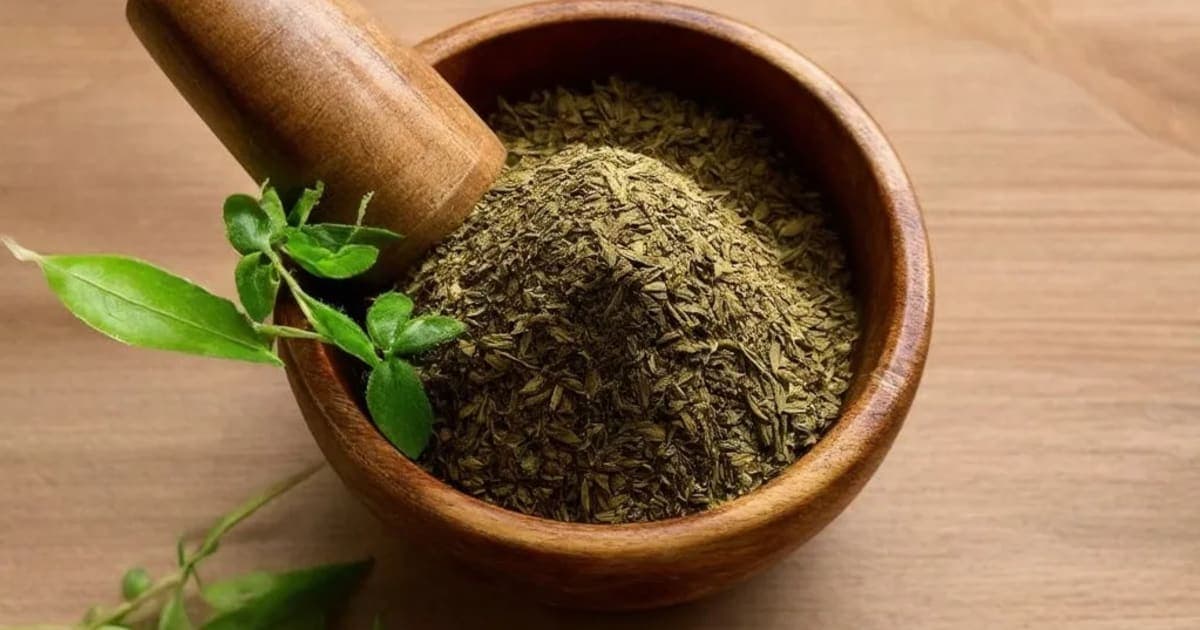
Panchamrita Parpati: Healing Malabsorption and Diarrhea with Ayurveda
Expert Reviewed
Reviewed by AyurvedicUpchar Editorial Team
What is Panchamrita Parpati and how does it work?
Panchamrita Parpati is a herbo-mineral formulation specifically designed to treat malabsorption syndrome, chronic diarrhea, and weak digestive fire. Unlike simple herbal powders, it is prepared by fusing purified mercury, sulfur, and various herbal juices into thin, flaky wafers that dissolve instantly on the tongue.
Classical Ayurvedic texts, including the Charaka Samhita and Bhavaprakash Nighantu, classify this preparation as a cooling (Sheeta Virya) substance with a sweet and astringent taste. The name itself tells the story of its composition: "Pancha" means five, referring to the five ingredients that make up the "Nectar" (Amrita) base, while "Parpati" describes the flaky texture that allows the medicine to coat the intestinal lining immediately upon contact.
When a patient suffers from severe digestive weakness, the gut lining becomes inflamed and unable to absorb nutrients. Panchamrita Parpati acts like a biological bandage; its astringent quality helps stop the flow of loose stools, while its sweet nature nourishes the depleted tissues. This dual action makes it one of the few remedies that can simultaneously heal the gut wall and rebuild strength without causing further irritation.
What are the specific Ayurvedic properties of Panchamrita Parpati?
The therapeutic power of Panchamrita Parpati comes from its specific pharmacological profile: it possesses a sweet and astringent taste, a light and dry texture, and a cooling potency that soothes internal heat. These five properties determine exactly how the body reacts, ensuring it calms inflammation while promoting tissue repair.
To understand why this herb works for specific conditions, we must look at its classification in Dravyaguna Shastra. The table below outlines the core attributes that dictate its use in clinical practice.
| Property (Sanskrit) | Value | What it means for your body |
|---|---|---|
| Rasa (Taste) | Madhura (Sweet), Kashaya (Astringent) | Sweet nourishes tissues and calms the mind; Astringent dries excess moisture, heals wounds, and stops bleeding. |
| Guna (Quality) | Laghu (Light), Ruksha (Dry) | Light and dry qualities ensure the formulation absorbs quickly without clogging the channels or creating heaviness. |
| Virya (Potency) | Sheeta (Cooling) | Cooling potency calms inflammation, reduces burning sensations, and soothes irritated mucous membranes in the gut. |
| Vipaka (Post-digestive) | Madhura (Sweet) | After digestion, the effect remains sweet, promoting long-term tissue building and stability in the body. |
A key insight from Ayurvedic pharmacology is that the post-digestive effect (Vipaka) often differs from the initial taste. Even though the astringent taste initially dries the gut, the sweet post-digestive effect ensures that the body retains the nutrients it needs to heal, preventing the weight loss often seen in chronic diarrhea.
Which dosha imbalances does Panchamrita Parpati correct?
Panchamrita Parpati primarily pacifies Vata and Pitta doshas, making it an ideal remedy for conditions caused by excess heat, dryness, or erratic movement in the digestive tract. It is most effective when a patient experiences burning sensations, loose stools, or anxiety related to digestive instability.
Because of its cooling nature, it specifically targets Pitta-related inflammation, such as the burning feeling in the stomach or the urgency of diarrhea. Simultaneously, its sweet and astringent qualities ground the erratic energy of Vata, helping to regulate bowel movements and reduce the cramping often associated with IBS.
However, caution is necessary for those with a dominant Kapha constitution. Since the formulation has a sweet post-digestive effect and is used to stop fluid loss, excessive use in Kapha-dominant individuals can lead to congestion, sluggish digestion, or an accumulation of mucus. It is generally best avoided in cases where the stool is already very thick, cold, and mucous-laden.
How to recognize if you need Panchamrita Parpati
You may benefit from Panchamrita Parpati if you experience chronic loose stools that do not improve with diet changes, accompanied by a burning sensation in the abdomen. Other signs include a feeling of weakness after eating, unexplained weight loss due to malabsorption, or a tongue that appears red and coated.
Unlike standard anti-diarrheal medicines that simply slow down the gut, this formulation works by repairing the gut lining. If you feel cold, have dry skin, and experience anxiety alongside your digestive issues, the Vata-pacifying action of this herb can provide the grounding and warmth your body needs to recover.
How is Panchamrita Parpati traditionally prepared and administered?
Traditionally, Panchamrita Parpati is prepared by a skilled Vaidya who melts purified mercury and sulfur with herbal juices like pomegranate and ginger, then pours the mixture onto a banana leaf to cool into thin, brittle flakes. This process, known as Marana, transforms heavy metals into a bio-available form that the body can safely absorb.
For administration, the practitioner usually recommends crushing a small amount (often 125mg to 250mg) and mixing it with warm ghee or honey. The patient then places the mixture on the tongue, allowing it to dissolve slowly. This method ensures the medicine coats the entire digestive tract from the mouth down to the intestines.
A grandmother's tip for best results is to take the medicine on an empty stomach in the morning, followed by a warm cup of milk or buttermilk after 30 minutes. This helps carry the medicinal properties deeper into the tissues while the milk provides a protective layer for the stomach lining.
Frequently Asked Questions about Panchamrita Parpati
Can Panchamrita Parpati be used for children with diarrhea?
Yes, Panchamrita Parpati is frequently prescribed for children suffering from severe diarrhea and malabsorption, but the dosage must be strictly determined by an Ayurvedic practitioner. The amount is typically much smaller for children and is often mixed with breast milk or warm water to ensure gentle absorption.
How long does it take to see results with Panchamrita Parpati?
Most patients notice a reduction in the frequency of loose stools within 24 to 48 hours of starting the treatment. However, full recovery of digestive strength and nutrient absorption usually requires a course of 1 to 2 weeks, depending on the severity of the malabsorption.
Are there any side effects of Panchamrita Parpati?
When prepared correctly by a qualified professional, side effects are rare. However, if the purification process (Shodhana) was incomplete, toxicity can occur. Additionally, overuse in Kapha-dominant individuals may cause lethargy or mucus buildup, so it should never be taken without professional guidance.
Can I buy Panchamrita Parpati over the counter?
While Panchamrita Parpati is available in many Ayurvedic pharmacies, it is a herbo-mineral formulation containing processed metals. It is highly recommended to purchase it only from reputable manufacturers who adhere to strict safety standards and to consult a doctor before starting the regimen.
Medical Disclaimer: This content is for informational purposes only and does not constitute medical advice. Panchamrita Parpati contains processed minerals and should only be taken under the supervision of a qualified Ayurvedic practitioner. Always consult your healthcare provider before starting any new treatment, especially if you are pregnant, nursing, or taking other medications.
Content based on classical Ayurvedic texts including Charaka Samhita and Bhavaprakash Nighantu. Licensed under CC BY 4.0.
Frequently Asked Questions
What is Panchamrita Parpati used for in Ayurveda?
Panchamrita Parpati is primarily used as a Absorbent and Appetite Stimulant in Ayurvedic medicine. A herbo-mineral formulation used for malabsorption syndrome, diarrhea, and improving digestive strength. It pacifies Vata, Pitta dosha.
How should I take Panchamrita Parpati?
Panchamrita Parpati can be taken as powder (1/2-1 tsp with warm water or milk), decoction (boil 1 tsp in water), or tablets (1-2 daily). Always start with a low dose and consult an Ayurvedic practitioner for personalized guidance.
Is Panchamrita Parpati safe during pregnancy?
Pregnant and nursing women should not take Panchamrita Parpati without consulting their doctor first. Most Ayurvedic herbs require medical supervision during pregnancy.
Which dosha does Panchamrita Parpati balance?
Panchamrita Parpati pacifies Vata, Pitta. Excessive use may increase Kapha dosha.
Can I take Panchamrita Parpati daily?
Panchamrita Parpati can be taken daily in recommended doses for 4-8 weeks. After that, take a 2-week break before resuming. Long-term use should be supervised by a qualified Ayurvedic practitioner.
What are the side effects of Panchamrita Parpati?
When taken in recommended doses, Panchamrita Parpati is generally safe. Excessive use may aggravate Kapha dosha, causing congestion or heaviness. Stop use if you experience any adverse reaction.
Related Articles
The Timeless Benefits of Triphala: An Ayurvedic Powerhouse
Discover the transformative benefits of Triphala, an ancient Ayurvedic blend of three fruits that supports digestion, immunity, weight management, and overall vitality.
5 min read
The Divine Benefits of Tulsi (Holy Basil) in Ayurveda
Discover the sacred benefits of Tulsi (Holy Basil) in Ayurveda. From boosting immunity and reducing stress to supporting heart health and digestion, learn how this divine herb can transform your well-being.
4 min read
The Remarkable Benefits of Giloy: An Ayurvedic Powerhouse
Discover the profound health benefits of Giloy, the Ayurvedic 'root of immortality.' Learn how this powerful herb boosts immunity, manages diabetes, improves digestion, and supports skin, hair, and bone health.
5 min read
The Remarkable Benefits of Ashwagandha: An Ayurvedic Perspective
Discover the ancient wisdom of Ashwagandha, a powerful Ayurvedic adaptogen known for reducing stress, boosting immunity, improving sleep, and enhancing physical strength.
4 min read
Brihatyadi Kashayam: Natural Relief for Urinary Tract Disorders and Cystitis
Brihatyadi Kashayam is a cooling Ayurvedic decoction that targets urinary burning and cystitis by balancing Vata and Pitta. Unlike standard teas, this concentrated liquid extract is specifically designed to reduce inflammation in the bladder lining while flushing out toxins.
5 min read
Asphota: Ayurvedic Brain Tonic, Calming Herb & Blood Purifier
Often overlooked, Asphota is a cooling, bitter herb that acts as a gentle brain tonic and blood purifier. While it shares traits with the popular Aparajita, its unique astringent quality makes it particularly effective for stopping bleeding and soothing inflamed tissues.
6 min read
References & Sources
This article is based on principles from classical Ayurvedic texts including Charaka Samhita, Sushruta Samhita, and Ashtanga Hridaya. Content has been reviewed for accuracy by our editorial team. For specific medical conditions, always consult a qualified Ayurvedic practitioner or healthcare provider.
- • Charaka Samhita (चरक संहिता)
- • Sushruta Samhita (सुश्रुत संहिता)
- • Ashtanga Hridaya (अष्टांग हृदय)
Found an error in this article? Let us know