
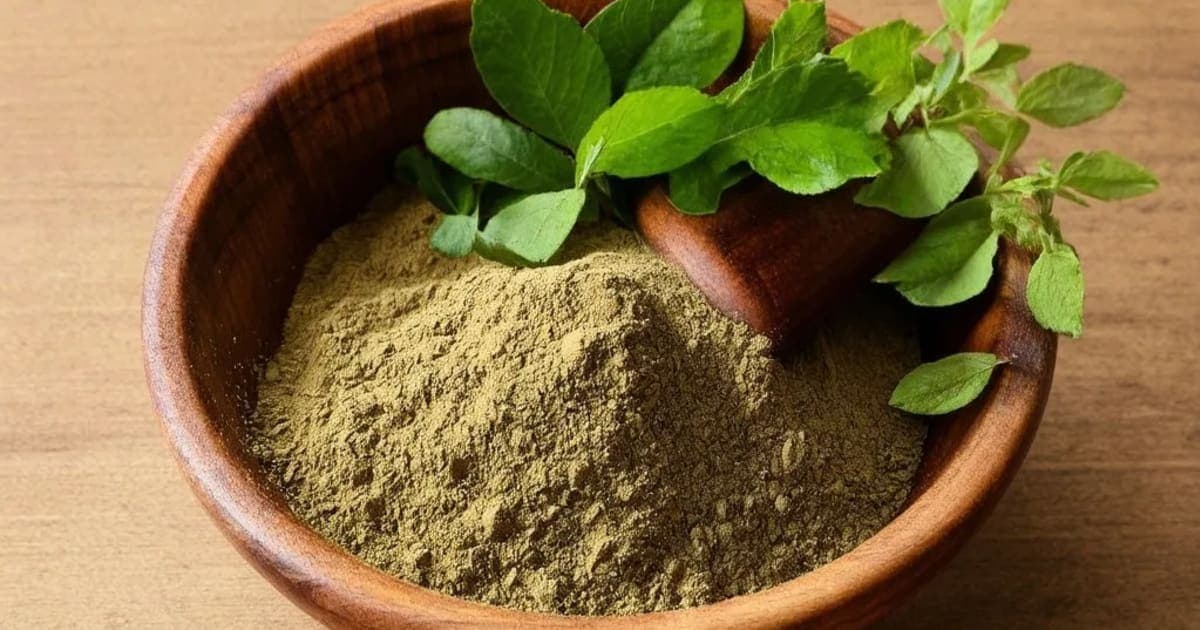
Panchagavya Ghrita: Benefits for Neurological Health & Mind Calming
Expert Reviewed
Reviewed by AyurvedicUpchar Editorial Team
What is Panchagavya Ghrita and why is it unique?
Panchagavya Ghrita is a traditional Ayurvedic medicine made by infusing ghee with five specific cow products: milk, curd, ghee, urine, and dung. Unlike simple herbal ghee, this formulation is revered for its profound ability to cross the blood-brain barrier, making it a primary treatment for neurological disorders, epilepsy, and deep-seated mental fatigue. The process transforms these raw ingredients into a golden, aromatic substance that smells rich and earthy, with a taste that starts creamy but leaves a distinct bitter and astringent finish on the tongue.
Classical texts like the Charaka Samhita specifically highlight Panchagavya Ghrita in the context of treating Unmada (mental insanity) and Apasmara (epilepsy). The preparation is not merely a dietary supplement; it is a potent vehicle that carries healing properties deep into the nervous system. A key fact often cited in Ayurvedic literature is that the therapeutic value of this ghrita comes from the synergy of the five cow products, where the urine and dung, when properly processed, lose their toxicity and gain powerful detoxifying properties that cleanse the mind and blood.
How do the Ayurvedic properties of Panchagavya Ghrita work?
The therapeutic action of Panchagavya Ghrita is defined by its specific pharmacological profile: it possesses a bitter and astringent taste, a heavy and unctuous quality, a heating potency, and a pungent post-digestive effect. These properties allow it to nourish the tissues while simultaneously detoxifying the body, making it effective for conditions where stagnation and toxicity block the flow of vital energy.
| Property (Sanskrit) | Value | What it means for your body |
|---|---|---|
| Rasa (Taste) | Tikta, Kashaya | Detoxifying, blood purifying, reduces Pitta. Drying, healing, stops bleeding |
| Guna (Physical quality) | Guru, Snigdha | Heavy, Oily/Unctuous — determines absorption speed and tissue penetration |
| Virya (Potency) | Ushna | Hot (Heating) — stimulates metabolism, improves circulation, and enhances digestive fire (Agni) |
| Vipaka (Post-digestive effect) | Katu | Pungent — the long-term effect on body tissues after Panchagavya Ghrita is fully digested and metabolized |
Which dosha does Panchagavya Ghrita balance?
Panchagavya Ghrita primarily pacifies Vata and Pitta doshas, making it an ideal remedy for anxiety, hyperactivity, inflammation, and skin irritations caused by excess heat or dryness. By soothing the nervous system (Vata) and cooling the blood and tissues (Pitta), it helps restore a calm, balanced state of mind and body.
However, individuals with a dominant Kapha constitution or those suffering from severe obesity, extreme lethargy, or chronic respiratory congestion should use this medicine with caution. Because the ghrita is heavy and unctuous, taking it in large quantities without guidance can aggravate Kapha, leading to feelings of heaviness, sluggish digestion, or mucus buildup. It is best taken under the supervision of an Ayurvedic practitioner who can adjust the dosage or combine it with Kapha-reducing herbs like ginger or long pepper.
How do people actually use Panchagavya Ghrita in daily life?
In traditional practice, Panchagavya Ghrita is rarely eaten straight from the jar; it is typically taken warm, mixed with a glass of milk or water, often in the morning on an empty stomach to maximize absorption. A common home remedy for mild anxiety or insomnia involves taking half a teaspoon of the ghrita with warm milk before bed. For external application, a small amount is gently massaged onto the scalp or the soles of the feet to ground restless energy and improve sleep quality. The texture is smooth and melting, coating the throat and stomach to create a soothing sensation that calms the digestive tract immediately.
What are the specific precautions for taking Panchagavya Ghrita?
The most critical precaution for Panchagavya Ghrita is ensuring it is sourced from a reputable, classical preparation, as improper processing of the cow urine and dung can render the medicine ineffective or harmful. People with acute fever, active digestive infections, or severe indigestion should avoid it temporarily, as the heavy, oily nature of the ghrita can trap toxins inside the body if the digestive fire is too weak to process it. Additionally, because it is heating in nature, those with severe Pitta imbalances like acute gastritis or bleeding disorders should consult a doctor before starting, even though it generally reduces Pitta in neurological contexts.
Frequently Asked Questions about Panchagavya Ghrita
Does Panchagavya Ghrita really help with epilepsy and seizures?
Yes, classical Ayurvedic texts like the Charaka Samhita list Panchagavya Ghrita as a primary treatment for epilepsy (Apasmara) due to its ability to calm the nervous system and clear toxins from the brain. It is often prescribed alongside other nervine tonics to reduce the frequency and intensity of seizures over time.
Is Panchagavya Ghrita safe for children?
It can be safe for children when prescribed by an experienced Ayurvedic practitioner for specific conditions like developmental delays or ADHD, but the dosage must be carefully calculated based on the child's age and digestive strength. Never give this potent medicine to a child without professional guidance.
How long does it take to see results from Panchagavya Ghrita?
Results vary by condition, but for neurological issues, it often takes several weeks to months of consistent daily use to notice significant improvements in mental clarity and stability. Unlike fast-acting sedatives, it works by gradually nourishing the tissues and removing deep-seated blockages.
Can I take Panchagavya Ghrita if I am lactose intolerant?
Since Panchagavya Ghrita is a clarified butter, the milk solids and lactose are removed during the boiling process, making it generally safe for most people with mild lactose intolerance. However, those with severe milk protein allergies should proceed with extreme caution and consult a doctor first.
Disclaimer: This content is for informational purposes only and does not constitute medical advice. Panchagavya Ghrita is a potent medicinal substance. Always consult a qualified Ayurvedic practitioner before starting any new herbal regimen, especially if you have pre-existing health conditions or are taking other medications.
Frequently Asked Questions
What is Panchagavya Ghrita used for in Ayurveda?
Panchagavya Ghrita is primarily used as a Brain Tonic and Antipyretic in Ayurvedic medicine. A medicated ghee made from five products of the cow, used for neurological and psychological disorders. It pacifies Vata, Pitta dosha.
How should I take Panchagavya Ghrita?
Panchagavya Ghrita can be taken as powder (1/2-1 tsp with warm water or milk), decoction (boil 1 tsp in water), or tablets (1-2 daily). Always start with a low dose and consult an Ayurvedic practitioner for personalized guidance.
Is Panchagavya Ghrita safe during pregnancy?
Pregnant and nursing women should not take Panchagavya Ghrita without consulting their doctor first. Most Ayurvedic herbs require medical supervision during pregnancy.
Which dosha does Panchagavya Ghrita balance?
Panchagavya Ghrita pacifies Vata, Pitta. Excessive use may increase Kapha dosha.
Can I take Panchagavya Ghrita daily?
Panchagavya Ghrita can be taken daily in recommended doses for 4-8 weeks. After that, take a 2-week break before resuming. Long-term use should be supervised by a qualified Ayurvedic practitioner.
What are the side effects of Panchagavya Ghrita?
When taken in recommended doses, Panchagavya Ghrita is generally safe. Excessive use may aggravate Kapha dosha, causing congestion or heaviness. Stop use if you experience any adverse reaction.
Related Articles
The Timeless Benefits of Triphala: An Ayurvedic Powerhouse
Discover the transformative benefits of Triphala, an ancient Ayurvedic blend of three fruits that supports digestion, immunity, weight management, and overall vitality.
5 min read
The Divine Benefits of Tulsi (Holy Basil) in Ayurveda
Discover the sacred benefits of Tulsi (Holy Basil) in Ayurveda. From boosting immunity and reducing stress to supporting heart health and digestion, learn how this divine herb can transform your well-being.
4 min read
The Remarkable Benefits of Giloy: An Ayurvedic Powerhouse
Discover the profound health benefits of Giloy, the Ayurvedic 'root of immortality.' Learn how this powerful herb boosts immunity, manages diabetes, improves digestion, and supports skin, hair, and bone health.
5 min read
The Remarkable Benefits of Ashwagandha: An Ayurvedic Perspective
Discover the ancient wisdom of Ashwagandha, a powerful Ayurvedic adaptogen known for reducing stress, boosting immunity, improving sleep, and enhancing physical strength.
4 min read
Brihatyadi Kashayam: Natural Relief for Urinary Tract Disorders and Cystitis
Brihatyadi Kashayam is a cooling Ayurvedic decoction that targets urinary burning and cystitis by balancing Vata and Pitta. Unlike standard teas, this concentrated liquid extract is specifically designed to reduce inflammation in the bladder lining while flushing out toxins.
5 min read
Asphota: Ayurvedic Brain Tonic, Calming Herb & Blood Purifier
Often overlooked, Asphota is a cooling, bitter herb that acts as a gentle brain tonic and blood purifier. While it shares traits with the popular Aparajita, its unique astringent quality makes it particularly effective for stopping bleeding and soothing inflamed tissues.
6 min read
References & Sources
This article is based on principles from classical Ayurvedic texts including Charaka Samhita, Sushruta Samhita, and Ashtanga Hridaya. Content has been reviewed for accuracy by our editorial team. For specific medical conditions, always consult a qualified Ayurvedic practitioner or healthcare provider.
- • Charaka Samhita (चरक संहिता)
- • Sushruta Samhita (सुश्रुत संहिता)
- • Ashtanga Hridaya (अष्टांग हृदय)
Found an error in this article? Let us know