
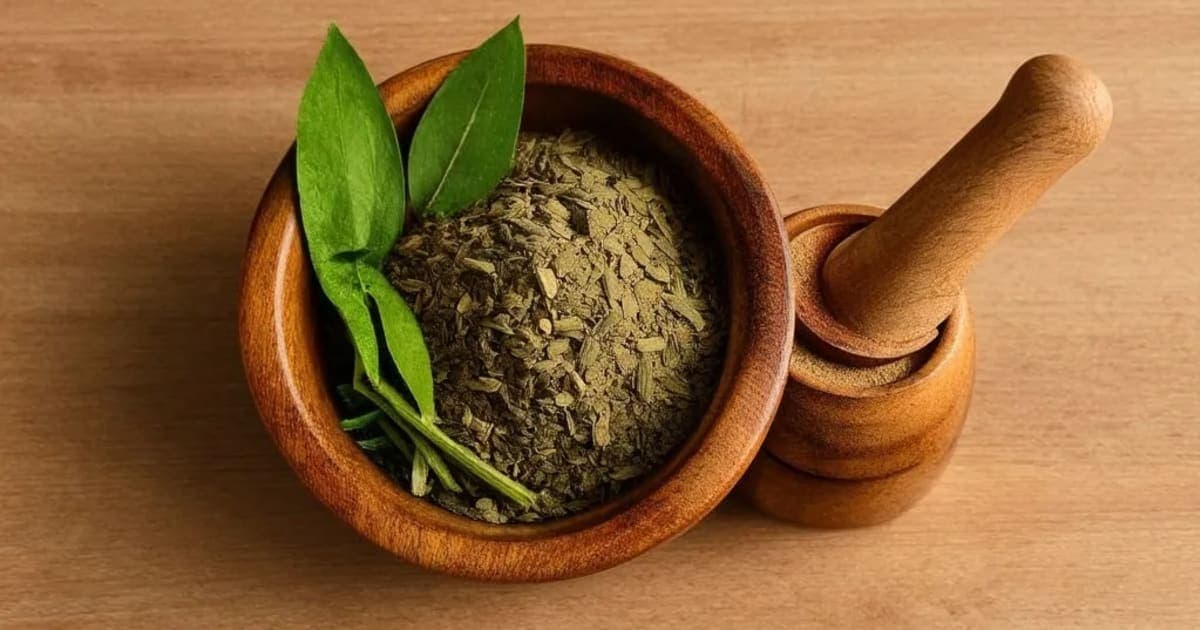
Nimbu (Lemon): Digestive Aid, Skin Cleanser & Vata Balancer in Ayurveda
Expert Reviewed
Reviewed by AyurvedicUpchar Editorial Team
What is Nimbu in Ayurvedic medicine?
Nimbu, commonly known as lemon, is a warming, sour herb used in Ayurveda to ignite digestive fire, cleanse the blood, and calm Vata dosha. Unlike many cooling citrus fruits found in modern nutrition, Ayurveda classifies this bright yellow fruit as Ushna Virya (hot potency), making it a unique tool for clearing congestion and stimulating metabolism.
Grandmothers in India have long squeezed fresh Nimbu into warm water at dawn to clear the throat and wake up the digestive system. This practice is rooted in the Charaka Samhita, which lists Nimbu as a primary remedy for Ama (toxic accumulation) and sluggish digestion. The sour taste does more than just refresh; it triggers the salivary glands and gastric juices, preparing the body to process food efficiently.
"Nimbu is a warming herb that transforms sour taste into digestive strength, making it essential for clearing Ama when used with moderation."
How do the Ayurvedic properties of Nimbu affect the body?
The therapeutic power of Nimbu comes from its specific pharmacological profile, which dictates how it moves through your tissues. While its initial taste is sharp and sour, its long-term effect on the body is surprisingly sweet, allowing it to nourish tissues after cleansing them.
| Property (Sanskrit) | Value | Practical Effect on the Body |
|---|---|---|
| Rasa (Taste) | Amla (Sour) | Stimulates appetite, triggers saliva, and clears throat congestion. |
| Guna (Quality) | Laghu, Tikshna | Light and penetrating; reaches deep tissues to dissolve blockages quickly. |
| Virya (Potency) | Ushna (Hot) | Heats the system, improves circulation, and burns metabolic toxins. |
| Vipaka (Post-digestive) | Madhura (Sweet) | Converts to a sweet effect after digestion, nourishing the blood and tissues. |
| Dosha Effect | Pacifies Vata, Aggravates Pitta | Calms dry, cold Vata but can irritate hot, acidic Pitta if overused. |
Who should use Nimbu and who should avoid it?
Nimbu is best suited for individuals with a Vata constitution or those suffering from Vata imbalances like dry skin, constipation, and anxiety. Its heating nature and light quality help ground the erratic, cold energy of Vata by warming the digestive tract and moistening dry passages.
However, those with a dominant Pitta constitution or active conditions like acid reflux, heartburn, or inflammatory skin rashes must use Nimbu with caution. Because the fruit is inherently heating, excessive consumption can spike internal heat, leading to burning sensations in the stomach or worsening skin flare-ups. It is often wise to dilute fresh juice in water or mix it with cooling herbs like coriander or fennel to balance this effect.
How to use Nimbu for Vata imbalance
If you feel cold, jittery, or constipated, a simple daily ritual can restore balance. Squeeze half a fresh lemon into a cup of warm water with a pinch of rock salt and a teaspoon of honey. Drink this slowly on an empty stomach. The warmth of the water combined with the heating potency of the lemon helps dissolve the sticky toxins (Ama) that often block Vata movement, while the honey acts as a carrier to deepen the herb's effect.
For external use, a paste of lemon juice and turmeric can be applied to stiff joints to reduce pain, though this should be avoided if you have sensitive skin. The sharp, penetrating quality of the fruit helps drive the anti-inflammatory turmeric deep into the tissue.
What are the specific health benefits of Nimbu?
Nimbu offers targeted relief for digestion, respiratory congestion, and skin clarity. Its primary action is to kindle Agni (digestive fire), which prevents the formation of toxins that cause bloating and lethargy. By clearing these blockages, it naturally supports weight management and mental clarity.
The herb also acts as a potent blood purifier. In classical texts like the Bhavaprakash Nighantu, Nimbu is recommended for skin disorders caused by impure blood, as its sharp quality helps flush out toxins through sweat and urine. Additionally, the sour taste helps break down mucus in the respiratory tract, making it a go-to remedy for early-stage colds and coughs.
Frequently Asked Questions about Nimbu
Does drinking lemon water aggravate Pitta dosha?
Yes, drinking concentrated lemon water can aggravate Pitta due to its heating potency (Ushna Virya). It is best for Pitta types to dilute the juice significantly or consume it only in small amounts during the cooler parts of the day, ideally with cooling herbs like fennel or mint to balance the heat.
How does Nimbu help with digestion?
Nimbu stimulates the secretion of digestive enzymes and bile, which helps break down food and prevents bloating. Its sour taste triggers the initial phase of digestion, while its heating potency clears stagnation in the intestines, making it effective for constipation.
Can Nimbu be used for skin conditions?
Yes, Nimbu is used to treat acne and oily skin due to its blood-purifying and astringent properties. However, fresh juice can cause photosensitivity and burning on sensitive skin, so it is often recommended to mix it with honey or turmeric and avoid sun exposure immediately after application.
What is the difference between Nimbu and other sour fruits in Ayurveda?
Unlike many other sour fruits that may be cooling, Nimbu is classified as having a heating potency (Ushna Virya). This makes it unique for clearing cold, heavy congestion and stimulating metabolism, whereas cooling sour fruits like tamarind might be better for high Pitta conditions.
Frequently Asked Questions
What is Nimbu used for in Ayurveda?
Nimbu is primarily used as a Appetite Stimulant and Digestive in Ayurvedic medicine. Lemon is a sour fruit that stimulates digestion, cleanses the system, and pacifies Vata dosha. It pacifies Vata dosha.
How should I take Nimbu?
Nimbu can be taken as powder (1/2-1 tsp with warm water or milk), decoction (boil 1 tsp in water), or tablets (1-2 daily). Always start with a low dose and consult an Ayurvedic practitioner for personalized guidance.
Is Nimbu safe during pregnancy?
Pregnant and nursing women should not take Nimbu without consulting their doctor first. Most Ayurvedic herbs require medical supervision during pregnancy.
Which dosha does Nimbu balance?
Nimbu pacifies Vata. Excessive use may increase Pitta dosha.
Can I take Nimbu daily?
Nimbu can be taken daily in recommended doses for 4-8 weeks. After that, take a 2-week break before resuming. Long-term use should be supervised by a qualified Ayurvedic practitioner.
What are the side effects of Nimbu?
When taken in recommended doses, Nimbu is generally safe. Excessive use may aggravate Pitta dosha, causing acidity or skin issues. Stop use if you experience any adverse reaction.
Related Articles
The Timeless Benefits of Triphala: An Ayurvedic Powerhouse
Discover the transformative benefits of Triphala, an ancient Ayurvedic blend of three fruits that supports digestion, immunity, weight management, and overall vitality.
5 min read
The Divine Benefits of Tulsi (Holy Basil) in Ayurveda
Discover the sacred benefits of Tulsi (Holy Basil) in Ayurveda. From boosting immunity and reducing stress to supporting heart health and digestion, learn how this divine herb can transform your well-being.
4 min read
The Remarkable Benefits of Giloy: An Ayurvedic Powerhouse
Discover the profound health benefits of Giloy, the Ayurvedic 'root of immortality.' Learn how this powerful herb boosts immunity, manages diabetes, improves digestion, and supports skin, hair, and bone health.
5 min read
The Remarkable Benefits of Ashwagandha: An Ayurvedic Perspective
Discover the ancient wisdom of Ashwagandha, a powerful Ayurvedic adaptogen known for reducing stress, boosting immunity, improving sleep, and enhancing physical strength.
4 min read
Brihatyadi Kashayam: Natural Relief for Urinary Tract Disorders and Cystitis
Brihatyadi Kashayam is a cooling Ayurvedic decoction that targets urinary burning and cystitis by balancing Vata and Pitta. Unlike standard teas, this concentrated liquid extract is specifically designed to reduce inflammation in the bladder lining while flushing out toxins.
5 min read
Asphota: Ayurvedic Brain Tonic, Calming Herb & Blood Purifier
Often overlooked, Asphota is a cooling, bitter herb that acts as a gentle brain tonic and blood purifier. While it shares traits with the popular Aparajita, its unique astringent quality makes it particularly effective for stopping bleeding and soothing inflamed tissues.
6 min read
References & Sources
This article is based on principles from classical Ayurvedic texts including Charaka Samhita, Sushruta Samhita, and Ashtanga Hridaya. Content has been reviewed for accuracy by our editorial team. For specific medical conditions, always consult a qualified Ayurvedic practitioner or healthcare provider.
- • Charaka Samhita (चरक संहिता)
- • Sushruta Samhita (सुश्रुत संहिता)
- • Ashtanga Hridaya (अष्टांग हृदय)
Found an error in this article? Let us know