
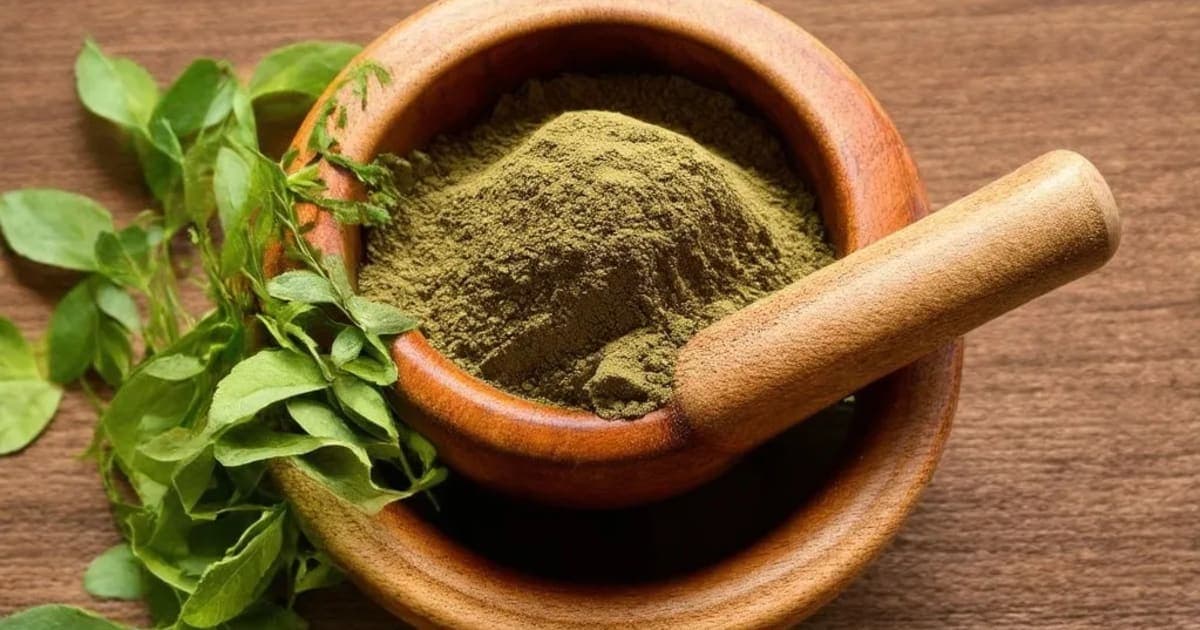
Meshashringi: Benefits for Blood Sugar & Metabolism
Expert Reviewed
Reviewed by AyurvedicUpchar Editorial Team
What is Meshashringi?
Meshashringi is a climbing herb native to India, revered in Ayurveda specifically for its ability to regulate blood sugar and reset metabolic fire. Often called the "sugar destroyer," this vine produces small yellow flowers and distinct horn-shaped seeds that give the plant its Sanskrit name. While modern science focuses on its glucose-lowering compounds, traditional practitioners value it for clearing sticky metabolic waste (Ama) from the body's channels.
Classical texts like the Charaka Samhita (Sutra Sthana) categorize Meshashringi as a premier Kapha-reducing substance, essential when heavy, sweet qualities accumulate in the system. You can identify authentic Meshashringi by its intensely bitter taste, which lingers on the tongue and immediately triggers a cooling sensation in the throat. This specific sensory profile signals its power to detoxify blood and calm inflammatory heat without sedating the mind.
What are the Ayurvedic properties of Meshashringi?
The Ayurvedic profile of Meshashringi reveals why it works so well for metabolic disorders: it combines a bitter, pungent taste with a cooling potency and light quality. These properties allow it to scrape away excess fat and sugar while soothing the internal inflammation often seen in diabetes. Unlike harsh stimulants, Meshashringi clears blockages gently, making it a staple in formulations for weight management and skin health.
| Property (Sanskrit) | Value | What it means for your body |
|---|---|---|
| Rasa (Taste) | Tikta (Bitter), Katu (Pungent) | Detoxifies blood, reduces fever, and stimulates digestion without creating excess heat. |
| Guna (Quality) | Laghu (Light) | Penetrates deep into tissues quickly, preventing the heaviness associated with high Kapha. |
| Virya (Potency) | Sheeta (Cooling) | Cools burning sensations, reduces acidity, and calms irritated skin or inflamed joints. |
| Vipaka (Post-digestive) | Katu (Pungent) | Continues to stimulate metabolism and clear channels even after digestion is complete. |
A key principle to remember is that Meshashringi's bitter taste directly correlates to its ability to lower blood glucose levels. In Ayurveda, the more bitter the herb, the stronger its action on reducing Kapha and Meda (fat tissue).
Which doshas does Meshashringi balance?
Meshashringi primarily pacifies Kapha and Pitta doshas, making it ideal for conditions involving heat, fluid retention, or excess weight. When Kapha accumulates, it creates sluggishness and sugar cravings; when Pitta spikes, it causes inflammation and acidity. This herb addresses both by cooling the system while simultaneously scraping away the heavy buildup that causes these imbalances.
However, because Meshashringi is so light and drying, it can aggravate Vata if used without care. People with a naturally thin frame, dry skin, or those prone to anxiety and gas should avoid taking high doses on an empty stomach. A grandmother's trick to prevent this is to always mix the powder with a little warm milk or ghee, which adds the necessary unctuousness to buffer Vata while delivering the herb's benefits.
Signs you might need Meshashringi
You may benefit from Meshashringi if you experience frequent thirst, slow-healing wounds, or a feeling of heaviness after meals. These are classic signs that Kapha and Pitta are out of balance, often manifesting as pre-diabetic symptoms or stubborn skin issues like acne. If your tongue feels coated in the morning or you struggle with afternoon fatigue despite sleeping well, this herb helps clear the metabolic fog.
Frequently Asked Questions
Can I take Meshashringi with diabetes medication?
Meshashringi significantly lowers blood sugar, so combining it with prescription insulin or metformin can cause hypoglycemia. Always consult your doctor to adjust dosages safely, as your need for medication may decrease as the herb takes effect.
How do I consume Meshashringi powder?
The most effective traditional method is mixing half a teaspoon of Meshashringi powder with warm water or milk before meals. Chewing the fresh leaves is also common in rural India, though the intense bitterness makes the powder form more palatable for daily use.
Disclaimer: This content is for educational purposes only and is not medical advice. Consult a qualified Ayurvedic practitioner or healthcare provider before starting any new herbal regimen, especially if you are pregnant, nursing, or taking medication.
Frequently Asked Questions
What is Meshashringi used for in Ayurveda?
Meshashringi is primarily used as a Pramehaghna and Fat Reducer in Ayurvedic medicine. Known for regulating blood sugar and metabolism. It pacifies Kapha, Pitta dosha.
How should I take Meshashringi?
Meshashringi can be taken as powder (1/2-1 tsp with warm water or milk), decoction (boil 1 tsp in water), or tablets (1-2 daily). Always start with a low dose and consult an Ayurvedic practitioner for personalized guidance.
Is Meshashringi safe during pregnancy?
Pregnant and nursing women should not take Meshashringi without consulting their doctor first. Most Ayurvedic herbs require medical supervision during pregnancy.
Which dosha does Meshashringi balance?
Meshashringi pacifies Kapha, Pitta. Excessive use may increase Vata dosha.
Can I take Meshashringi daily?
Meshashringi can be taken daily in recommended doses for 4-8 weeks. After that, take a 2-week break before resuming. Long-term use should be supervised by a qualified Ayurvedic practitioner.
What are the side effects of Meshashringi?
When taken in recommended doses, Meshashringi is generally safe. Excessive use may aggravate Vata dosha, causing gas or bloating. Stop use if you experience any adverse reaction.
Related Articles
The Timeless Benefits of Triphala: An Ayurvedic Powerhouse
Discover the transformative benefits of Triphala, an ancient Ayurvedic blend of three fruits that supports digestion, immunity, weight management, and overall vitality.
5 min read
The Divine Benefits of Tulsi (Holy Basil) in Ayurveda
Discover the sacred benefits of Tulsi (Holy Basil) in Ayurveda. From boosting immunity and reducing stress to supporting heart health and digestion, learn how this divine herb can transform your well-being.
4 min read
The Remarkable Benefits of Giloy: An Ayurvedic Powerhouse
Discover the profound health benefits of Giloy, the Ayurvedic 'root of immortality.' Learn how this powerful herb boosts immunity, manages diabetes, improves digestion, and supports skin, hair, and bone health.
5 min read
The Remarkable Benefits of Ashwagandha: An Ayurvedic Perspective
Discover the ancient wisdom of Ashwagandha, a powerful Ayurvedic adaptogen known for reducing stress, boosting immunity, improving sleep, and enhancing physical strength.
4 min read
Brihatyadi Kashayam: Natural Relief for Urinary Tract Disorders and Cystitis
Brihatyadi Kashayam is a cooling Ayurvedic decoction that targets urinary burning and cystitis by balancing Vata and Pitta. Unlike standard teas, this concentrated liquid extract is specifically designed to reduce inflammation in the bladder lining while flushing out toxins.
5 min read
Asphota: Ayurvedic Brain Tonic, Calming Herb & Blood Purifier
Often overlooked, Asphota is a cooling, bitter herb that acts as a gentle brain tonic and blood purifier. While it shares traits with the popular Aparajita, its unique astringent quality makes it particularly effective for stopping bleeding and soothing inflamed tissues.
6 min read
References & Sources
This article is based on principles from classical Ayurvedic texts including Charaka Samhita, Sushruta Samhita, and Ashtanga Hridaya. Content has been reviewed for accuracy by our editorial team. For specific medical conditions, always consult a qualified Ayurvedic practitioner or healthcare provider.
- • Charaka Samhita (चरक संहिता)
- • Sushruta Samhita (सुश्रुत संहिता)
- • Ashtanga Hridaya (अष्टांग हृदय)
Found an error in this article? Let us know