
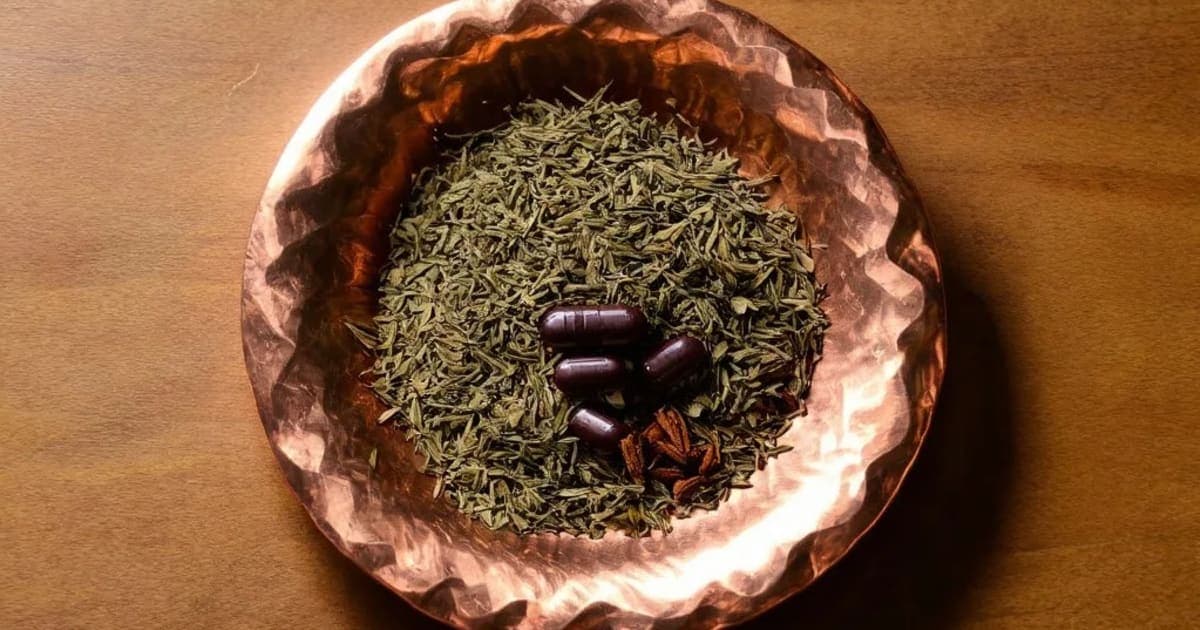
Matulunga Rasa: Ancient Citron Remedy for Digestion and Nausea Relief
Expert Reviewed
Reviewed by AyurvedicUpchar Editorial Team
What is Matulunga rasa and why do Ayurvedic practitioners value it?
Matulunga rasa, the fresh juice extracted from the large, aromatic citron fruit, is a time-honored Ayurvedic remedy used to ignite digestion, settle nausea, and stimulate appetite. Unlike modern citrus juices that can be overly acidic or sweet, this ancient preparation carries a distinct, sharp sourness that directly targets the digestive fire (Agni). Charaka Samhita, Sutra Sthana, specifically notes its role in correcting imbalances where the stomach feels sluggish or cold. The juice is not merely a drink; it is a potent medicinal substance where the sour taste (Amla Rasa) acts as a catalyst for metabolic processes, helping the body break down food more efficiently.
When you taste Matulunga rasa, you experience an immediate, puckering sharpness that quickly gives way to a warming sensation in the throat and stomach. This sensory experience signals its therapeutic action: the sour taste wakes up the digestive enzymes, while its heating energy (Ushna Virya) dispels the cold, stagnant qualities that often cause nausea and bloating. It is a favorite among grandmothers in rural India, who often mix a teaspoon of the fresh juice with warm water and a pinch of rock salt to stop morning sickness or travel sickness instantly.
How does Matulunga rasa interact with your doshas?
Matulunga rasa primarily pacifies Vata dosha due to its warming potency and sour taste, making it ideal for individuals who feel cold, anxious, or suffer from dry constipation. However, because it is heating and sour, it can aggravate Pitta if used in excess, potentially causing heartburn, skin rashes, or excessive body heat in those with a fiery constitution. The balance lies in dosage; a small amount acts as a Vata pacifier, while large quantities act as a Pitta trigger.
For someone with high Vata, the juice feels grounding and warming, soothing the erratic energy that causes joint cracking or racing thoughts. In contrast, a person with high Pitta might find the same juice too sharp, leading to a burning sensation in the stomach. The key is to listen to your body's response. If you feel a cooling relief after taking it, your Vata is likely balanced. If you feel a flush of heat or acidity, you have likely exceeded your Pitta limit.
What are the specific Ayurvedic properties of Matulunga rasa?
The therapeutic power of Matulunga rasa is defined by its unique pharmacological profile, which includes a sour taste, light and sharp qualities, and a heating energy. These properties determine exactly how the herb moves through your tissues and why it is effective for specific conditions like indigestion and nausea. Understanding these five pillars helps practitioners prescribe it safely alongside other herbs like ginger or triphala.
| Property (Sanskrit) | Value | What it means for your body |
|---|---|---|
| Rasa (Taste) | Amla (Sour) | Stimulates saliva and digestive enzymes, directly increasing appetite and reducing nausea. |
| Guna (Quality) | Laghu, Tikshna | Light and Sharp; allows the juice to penetrate tissues quickly and clear blockages without adding heaviness. |
| Virya (Potency) | Ushna (Heating) | Generates internal heat to melt fat, improve circulation, and kindle the digestive fire (Agni). |
| Vipaka (Post-digestive effect) | Madhura (Sweet) | After digestion, the juice nourishes tissues with a sweet, grounding effect, preventing long-term acidity. |
One quotable fact often cited in classical texts is that Matulunga rasa possesses a unique "post-digestive sweet" effect, meaning that despite its initial sour punch, it ultimately nourishes the body tissues rather than depleting them. This distinguishes it from many other sour fruits that leave a lasting acidic residue.
How can you safely use Matulunga rasa for health?
Matulunga rasa is most effective when taken fresh, either diluted in warm water with salt for nausea or mixed with honey for cough relief. A common traditional method involves chewing a small piece of the fresh fruit rind or drinking a teaspoon of the juice before meals to prepare the stomach for digestion. For chronic constipation, mixing the juice with warm milk at night can help lubricate the intestines and regulate bowel movements.
While beneficial, this herb requires caution for specific groups. Pregnant women should consult a practitioner before using it, as the heating nature can sometimes be too stimulating. People with active gastric ulcers, severe acid reflux, or inflammatory skin conditions like eczema should avoid it, as the sharp, heating qualities can irritate already inflamed tissues. Always start with a small dose to test your body's tolerance, especially if you have a sensitive stomach.
Frequently Asked Questions about Matulunga rasa
Is Matulunga rasa good for acid reflux?
No, Matulunga rasa is generally not recommended for active acid reflux or GERD because its sour taste and heating energy can aggravate Pitta and increase stomach acidity. It is better suited for those with low digestive fire and cold, sluggish digestion rather than burning sensations.
Can I drink Matulunga rasa juice every day?
You can drink it daily in small quantities (one teaspoon) if you have a Vata constitution or cold digestion, but those with Pitta imbalances should use it only occasionally or under guidance to avoid overheating the body.
What is the difference between Matulunga and lemon in Ayurveda?
While both are sour, Matulunga (citron) is considered heavier, more heating, and more effective for deep-seated Vata imbalances and nausea compared to the lighter, more cooling nature of common lemon juice.
Does Matulunga rasa help with weight loss?
Yes, its sharp (Tikshna) and heating (Ushna) properties help burn fat and clear metabolic blockages (Ama), but it should be combined with a balanced diet and lifestyle, not used as a standalone weight-loss solution.
Frequently Asked Questions
What is Matulunga rasa used for in Ayurveda?
Matulunga rasa is primarily used as a Appetite Stimulant and Heart Tonic in Ayurvedic medicine. The juice of Citron fruit is an excellent appetizer, digestive, and remedy for nausea and vomiting. It pacifies Vata dosha.
How should I take Matulunga rasa?
Matulunga rasa can be taken as powder (1/2-1 tsp with warm water or milk), decoction (boil 1 tsp in water), or tablets (1-2 daily). Always start with a low dose and consult an Ayurvedic practitioner for personalized guidance.
Is Matulunga rasa safe during pregnancy?
Pregnant and nursing women should not take Matulunga rasa without consulting their doctor first. Most Ayurvedic herbs require medical supervision during pregnancy.
Which dosha does Matulunga rasa balance?
Matulunga rasa pacifies Vata. Excessive use may increase Pitta dosha.
Can I take Matulunga rasa daily?
Matulunga rasa can be taken daily in recommended doses for 4-8 weeks. After that, take a 2-week break before resuming. Long-term use should be supervised by a qualified Ayurvedic practitioner.
What are the side effects of Matulunga rasa?
When taken in recommended doses, Matulunga rasa is generally safe. Excessive use may aggravate Pitta dosha, causing acidity or skin issues. Stop use if you experience any adverse reaction.
Related Articles
The Timeless Benefits of Triphala: An Ayurvedic Powerhouse
Discover the transformative benefits of Triphala, an ancient Ayurvedic blend of three fruits that supports digestion, immunity, weight management, and overall vitality.
5 min read
The Divine Benefits of Tulsi (Holy Basil) in Ayurveda
Discover the sacred benefits of Tulsi (Holy Basil) in Ayurveda. From boosting immunity and reducing stress to supporting heart health and digestion, learn how this divine herb can transform your well-being.
4 min read
The Remarkable Benefits of Giloy: An Ayurvedic Powerhouse
Discover the profound health benefits of Giloy, the Ayurvedic 'root of immortality.' Learn how this powerful herb boosts immunity, manages diabetes, improves digestion, and supports skin, hair, and bone health.
5 min read
The Remarkable Benefits of Ashwagandha: An Ayurvedic Perspective
Discover the ancient wisdom of Ashwagandha, a powerful Ayurvedic adaptogen known for reducing stress, boosting immunity, improving sleep, and enhancing physical strength.
4 min read
Brihatyadi Kashayam: Natural Relief for Urinary Tract Disorders and Cystitis
Brihatyadi Kashayam is a cooling Ayurvedic decoction that targets urinary burning and cystitis by balancing Vata and Pitta. Unlike standard teas, this concentrated liquid extract is specifically designed to reduce inflammation in the bladder lining while flushing out toxins.
5 min read
Asphota: Ayurvedic Brain Tonic, Calming Herb & Blood Purifier
Often overlooked, Asphota is a cooling, bitter herb that acts as a gentle brain tonic and blood purifier. While it shares traits with the popular Aparajita, its unique astringent quality makes it particularly effective for stopping bleeding and soothing inflamed tissues.
6 min read
References & Sources
This article is based on principles from classical Ayurvedic texts including Charaka Samhita, Sushruta Samhita, and Ashtanga Hridaya. Content has been reviewed for accuracy by our editorial team. For specific medical conditions, always consult a qualified Ayurvedic practitioner or healthcare provider.
- • Charaka Samhita (चरक संहिता)
- • Sushruta Samhita (सुश्रुत संहिता)
- • Ashtanga Hridaya (अष्टांग हृदय)
Found an error in this article? Let us know