
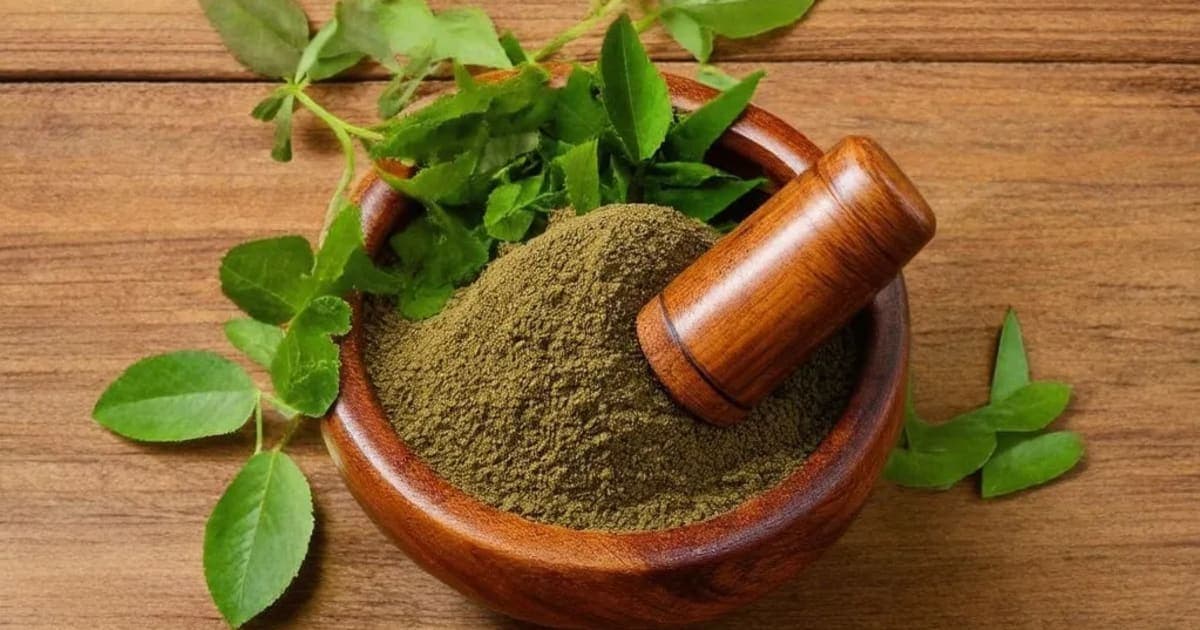
Mastu (Buttermilk): Digestive Aid & Vata-Kapha Balancer in Ayurveda
Expert Reviewed
Reviewed by AyurvedicUpchar Editorial Team
What is Mastu and how does it work in Ayurveda?
Mastu is the fermented whey left behind after churning curd, a light and cooling beverage traditionally used in Ayurveda to settle the stomach and clear bodily channels. Unlike plain milk, which can be heavy and mucus-forming, Mastu is thin, tangy, and easily absorbed, making it a favorite remedy for sluggish digestion and bloating. Charaka Samhita, Sutra Sthana, specifically cites Mastu as a superior digestive aid that balances Vata and Kapha without creating excess heat, provided it is prepared correctly.
When you drink fresh Mastu, you notice a distinct tangy-sour taste followed by a mild astringency that cleanses the palate. It smells like fresh, cultured yogurt—earthy and clean rather than spoiled. This specific taste profile is not accidental; the sourness (Amla) wakes up your digestive fire, while the astringency (Kashaya) helps bind loose stools and dry up excess moisture in the gut.
What are the specific Ayurvedic properties of Mastu?
Mastu is classified by five core properties that dictate how it interacts with your tissues and doshas. These characteristics explain why it works as a digestive tonic for some but requires caution for others.
| Property (Sanskrit) | Value | What it means for your body |
|---|---|---|
| Rasa (Taste) | Kashaya, Amla | Astringent and Sour. Dries excess moisture, heals minor gut irritation, and stimulates appetite. |
| Guna (Quality) | Laghu | Light. It moves quickly through the digestive tract without weighing you down. |
| Virya (Potency) | Ushna | Heating. It kindles Agni (digestive fire) and improves circulation, but can aggravate Pitta if overused. |
| Vipaka (Post-digestive) | Madhura | Sweet. After digestion, it nourishes tissues and provides a mild, sustained energy. |
A key fact often overlooked is that while the initial taste is sour, the post-digestive effect is sweet, meaning Mastu ultimately nourishes the body rather than depleting it, provided the initial fermentation is not too strong.
Which doshas does Mastu balance and aggravate?
Mastu primarily pacifies Vata and Kapha doshas, making it an excellent choice for those suffering from gas, constipation, or heavy, sluggish digestion caused by Kapha accumulation. Its light, heating nature helps move stagnant energy in the body, relieving the anxiety and dryness associated with Vata imbalances.
However, individuals with high Pitta must use caution. Because Mastu has a heating potency (Ushna Virya) and a sour taste, drinking it in large quantities or on an empty stomach can trigger acidity, heartburn, or skin rashes. If you already feel burning sensations in your stomach or have inflammatory skin conditions, dilute the Mastu heavily with water or avoid it during peak Pitta hours (10 AM to 2 PM).
How to recognize if you need Mastu
You might benefit from Mastu if you feel heavy after meals, experience frequent bloating, or have a tendency toward loose stools mixed with gas. It is also helpful if you feel cold in your extremities or have dry, cracking skin, as the heating and astringent qualities of the drink can warm the body and tighten tissues.
How do people traditionally use Mastu for health?
The most effective way to consume Mastu is fresh, homemade, and diluted. A common household method involves taking a cup of thick yogurt, adding two cups of water, and churning it vigorously until a layer of fat rises to the top. This fat is skimmed off, leaving the clear, watery Mastu. Many grandmothers in India add a pinch of roasted cumin powder, ginger, or curry leaves to this drink to enhance its digestive power and mask any sourness that might irritate sensitive stomachs.
For joint pain or Vata-related stiffness, a warm cup of Mastu with a pinch of black pepper and asafoetida (hing) can be sipped slowly. This combination helps the astringent quality penetrate deeper into the tissues to reduce inflammation. Unlike modern probiotic drinks that are often pasteurized and sweetened, traditional Mastu is consumed immediately after churning to preserve its live cultures and therapeutic potency.
What are the specific precautions for using Mastu?
Do not drink Mastu at night or when you have a severe cold or fever, as its heating nature and sour taste can increase mucus production and worsen congestion. If you have a history of severe acid reflux or gastritis, ensure you dilute it with at least equal parts water and add a pinch of coriander powder to neutralize the heat. Never consume Mastu that has been left out for more than a few hours, as the fermentation can become too acidic and harmful.
Another important rule is to avoid mixing Mastu with milk or salt in the same meal, as this can create an imbalance in the digestive fire and lead to skin issues. Always prepare it fresh; the therapeutic value drops significantly once the live cultures begin to die off or the drink separates unevenly.
Frequently Asked Questions about Mastu
Is Mastu good for acidity?
Mastu can help mild acidity caused by sluggish digestion (Kapha) by stimulating the digestive fire, but it may worsen severe acidity (Pitta) due to its sour taste and heating potency. Diluting it with water and adding coriander or fennel seeds is essential if you have a sensitive stomach.
How is Mastu different from plain yogurt?
While yogurt is heavy and can create mucus, Mastu is the liquid whey left after churning, making it light, easy to digest, and free of the fats that clog the channels. It acts as a digestive cleanser rather than a heavy food source.
Can I drink Mastu every day?
Yes, for most people with Vata or Kapha constitutions, a glass of fresh, diluted Mastu after lunch is a healthy daily habit that aids digestion and prevents constipation. Those with high Pitta should limit consumption to a few times a week or dilute it further.
What does Charaka Samhita say about Mastu?
The Charaka Samhita describes Mastu as a substance that balances Vata and Kapha, clears the channels of the body, and is particularly useful for treating digestive disorders and diarrhea when prepared with specific spices.
Frequently Asked Questions
What is Mastu used for in Ayurveda?
Mastu is primarily used as a Appetite Stimulant and Fat Scraper in Ayurvedic medicine. Whey is the liquid remaining after curdling milk. It is light, easy to digest, and clears the channels. It pacifies Vata, Kapha dosha.
How should I take Mastu?
Mastu can be taken as powder (1/2-1 tsp with warm water or milk), decoction (boil 1 tsp in water), or tablets (1-2 daily). Always start with a low dose and consult an Ayurvedic practitioner for personalized guidance.
Is Mastu safe during pregnancy?
Pregnant and nursing women should not take Mastu without consulting their doctor first. Most Ayurvedic herbs require medical supervision during pregnancy.
Which dosha does Mastu balance?
Mastu pacifies Vata, Kapha. Excessive use may increase Pitta dosha.
Can I take Mastu daily?
Mastu can be taken daily in recommended doses for 4-8 weeks. After that, take a 2-week break before resuming. Long-term use should be supervised by a qualified Ayurvedic practitioner.
What are the side effects of Mastu?
When taken in recommended doses, Mastu is generally safe. Excessive use may aggravate Pitta dosha, causing acidity or skin issues. Stop use if you experience any adverse reaction.
Related Articles
The Timeless Benefits of Triphala: An Ayurvedic Powerhouse
Discover the transformative benefits of Triphala, an ancient Ayurvedic blend of three fruits that supports digestion, immunity, weight management, and overall vitality.
5 min read
The Divine Benefits of Tulsi (Holy Basil) in Ayurveda
Discover the sacred benefits of Tulsi (Holy Basil) in Ayurveda. From boosting immunity and reducing stress to supporting heart health and digestion, learn how this divine herb can transform your well-being.
4 min read
The Remarkable Benefits of Giloy: An Ayurvedic Powerhouse
Discover the profound health benefits of Giloy, the Ayurvedic 'root of immortality.' Learn how this powerful herb boosts immunity, manages diabetes, improves digestion, and supports skin, hair, and bone health.
5 min read
The Remarkable Benefits of Ashwagandha: An Ayurvedic Perspective
Discover the ancient wisdom of Ashwagandha, a powerful Ayurvedic adaptogen known for reducing stress, boosting immunity, improving sleep, and enhancing physical strength.
4 min read
Brihatyadi Kashayam: Natural Relief for Urinary Tract Disorders and Cystitis
Brihatyadi Kashayam is a cooling Ayurvedic decoction that targets urinary burning and cystitis by balancing Vata and Pitta. Unlike standard teas, this concentrated liquid extract is specifically designed to reduce inflammation in the bladder lining while flushing out toxins.
5 min read
Asphota: Ayurvedic Brain Tonic, Calming Herb & Blood Purifier
Often overlooked, Asphota is a cooling, bitter herb that acts as a gentle brain tonic and blood purifier. While it shares traits with the popular Aparajita, its unique astringent quality makes it particularly effective for stopping bleeding and soothing inflamed tissues.
6 min read
References & Sources
This article is based on principles from classical Ayurvedic texts including Charaka Samhita, Sushruta Samhita, and Ashtanga Hridaya. Content has been reviewed for accuracy by our editorial team. For specific medical conditions, always consult a qualified Ayurvedic practitioner or healthcare provider.
- • Charaka Samhita (चरक संहिता)
- • Sushruta Samhita (सुश्रुत संहिता)
- • Ashtanga Hridaya (अष्टांग हृदय)
Found an error in this article? Let us know