
Manjisthadi Kwath: Natural Blood Purifier for Clear Skin and Gout Relief
Expert Reviewed
Reviewed by AyurvedicUpchar Editorial Team
What is Manjisthadi Kwath and how does it work?
Manjisthadi Kwath is a warm, bitter-sweet herbal decoction used in Ayurveda primarily to purify the blood, clear skin disorders like eczema and acne, and reduce inflammation in conditions such as gout. This traditional brew combines the root of Manjistha (Rubia cordifolia) with supporting herbs to create a potent remedy that cools the body's internal heat while drying out excess moisture.
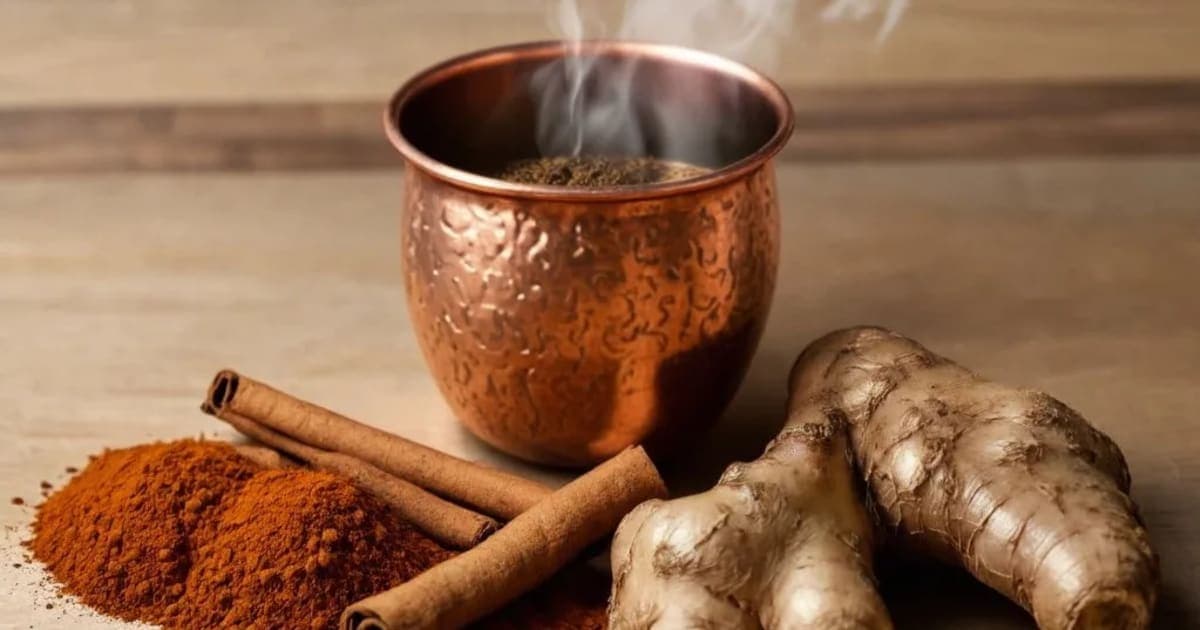
When you prepare this kwath, you are following a method described in the Charaka Samhita, where boiling herbs in water until the liquid reduces concentrates their healing properties. The resulting liquid is deep reddish-brown, smelling earthy and slightly medicinal, with a taste that starts bitter and leaves a dry, astringent sensation on the tongue. This specific flavor profile is not accidental; in Ayurveda, the bitter taste (Tikta) acts as a fire that burns away toxins, while the astringent taste (Kashaya) tightens tissues and stops bleeding.
A key principle to remember is that Manjisthadi Kwath is not just a supplement; it is a dietary intervention that directly influences how your blood moves and how your skin regenerates. As noted in classical texts, this formulation is particularly effective when the skin issues stem from impure blood rather than external infection.
What are the Ayurvedic properties of Manjisthadi Kwath?
The therapeutic action of Manjisthadi Kwath is defined by its cooling potency (Sheeta Virya) and its ability to balance Pitta and Kapha doshas while potentially aggravating Vata if used excessively. These properties determine exactly how the decoction interacts with your digestion, tissues, and overall energy levels.
Understanding the five fundamental properties of this herb helps you use it safely. For instance, because it is "Laghu" (light) and "Ruksha" (dry), it absorbs quickly but can dehydrate dry tissues if a person already has low body moisture. The post-digestive effect, or "Vipaka," is pungent, meaning it continues to stimulate metabolism and clear blockages even after the liquid has been processed by the stomach.
| Property (Sanskrit) | Value | What it means for your body |
|---|---|---|
| Rasa (Taste) | Tikta (Bitter), Kashaya (Astringent) | Bitter taste detoxifies the blood and reduces heat; Astringent taste dries up excess moisture, heals wounds, and tightens tissues. |
| Guna (Physical quality) | Laghu (Light), Ruksha (Dry) | Light quality allows for fast absorption; Dry quality helps clear sticky toxins but requires care for those with dry skin or constipation. |
| Virya (Potency) | Sheeta (Cooling) | Cooling energy immediately soothes inflammation, reduces burning sensations, and calms irritated skin or stomach lining. |
| Vipaka (Post-digestive effect) | Katu (Pungent) | The long-term metabolic effect is heating and stimulating, helping to clear deep-seated blockages in channels after digestion is complete. |
| Dosha Effect | Pacifies Pitta & Kapha; Aggravates Vata | Best for hot, oily, or congested constitutions; use with caution or oil-based adjuvants for dry, cold, or irregular types. |
Who benefits most from taking Manjisthadi Kwath?
People with elevated Pitta or Kapha doshas benefit most from Manjisthadi Kwath, as it effectively cools internal heat, reduces skin inflammation, and clears respiratory congestion. It is the go-to remedy for individuals suffering from acne, psoriasis, rashes, boils, or gouty pain that feels hot and throbbing.
If you notice your skin is red, angry, or prone to sudden breakouts, or if you feel a constant sense of heat and irritability, this decoction acts as a natural air conditioner for your blood. It is also highly effective for those with Kapha-related issues like cystic acne or fluid retention, as its drying nature helps move stagnant fluids.
However, caution is necessary for those with a dominant Vata constitution. Since the herb is dry and light, taking it without guidance can lead to dry skin, constipation, gas, or increased anxiety. If you have a history of low blood pressure or chronic dryness, you should mix the kwath with a teaspoon of ghee or honey to offset its drying effects.
Practical ways to use this herb at home
In traditional households, Manjisthadi Kwath is rarely taken plain. A grandmother might suggest mixing a warm cup of the decoction with a teaspoon of honey to make it palatable, or adding a pinch of turmeric for extra anti-inflammatory power. For skin application, the cooled decoction can be used as a face wash to reduce redness. For gout, it is often taken twice daily before meals to ensure the blood is filtered before digestion begins.
"Manjisthadi Kwath is a cooling blood purifier that uniquely combines bitter and astringent tastes to clear deep-seated toxins while simultaneously tightening and healing the skin."
Frequently Asked Questions
How long does it take for Manjisthadi Kwath to clear skin?
Most users begin to see a reduction in skin redness and inflammation within 2 to 3 weeks of daily use, though deep-seated conditions like chronic psoriasis may require 2 to 3 months of consistent therapy. The speed of results depends on the severity of the blood impurity and whether the patient avoids spicy, fried foods during treatment.
Can I take Manjisthadi Kwath if I am pregnant?
No, pregnant women should avoid Manjisthadi Kwath because its blood-purifying and heating post-digestive effects can stimulate the uterus and potentially lead to complications. It is generally safe for breastfeeding mothers only under the direct supervision of an Ayurvedic physician.
What is the best way to store Manjisthadi Kwath?
Because it is a fresh decoction without preservatives, Manjisthadi Kwath should be stored in a glass container in the refrigerator and consumed within 24 hours. If you boil a larger batch, you can freeze it in ice cube trays and thaw one portion daily to maintain its potency.
Does Manjisthadi Kwath interact with modern medications?
Yes, because this herb significantly lowers blood sugar and blood pressure, it can amplify the effects of diabetes and hypertension medications, potentially causing dangerous drops in levels. Always consult your doctor before combining it with prescription drugs, especially if you are on blood thinners.
Frequently Asked Questions
What is Manjisthadi Kwath used for in Ayurveda?
Manjisthadi Kwath is primarily used as a Raktashodhak and Skin Healer in Ayurvedic medicine. A decoction of Manjistha and other herbs, acting as a potent blood purifier for skin diseases and gout. It pacifies Pitta, Kapha dosha.
How should I take Manjisthadi Kwath?
Manjisthadi Kwath can be taken as powder (1/2-1 tsp with warm water or milk), decoction (boil 1 tsp in water), or tablets (1-2 daily). Always start with a low dose and consult an Ayurvedic practitioner for personalized guidance.
Is Manjisthadi Kwath safe during pregnancy?
Pregnant and nursing women should not take Manjisthadi Kwath without consulting their doctor first. Most Ayurvedic herbs require medical supervision during pregnancy.
Which dosha does Manjisthadi Kwath balance?
Manjisthadi Kwath pacifies Pitta, Kapha. Excessive use may increase Vata dosha.
Can I take Manjisthadi Kwath daily?
Manjisthadi Kwath can be taken daily in recommended doses for 4-8 weeks. After that, take a 2-week break before resuming. Long-term use should be supervised by a qualified Ayurvedic practitioner.
What are the side effects of Manjisthadi Kwath?
When taken in recommended doses, Manjisthadi Kwath is generally safe. Excessive use may aggravate Vata dosha, causing gas or bloating. Stop use if you experience any adverse reaction.
Related Articles
The Timeless Benefits of Triphala: An Ayurvedic Powerhouse
Discover the transformative benefits of Triphala, an ancient Ayurvedic blend of three fruits that supports digestion, immunity, weight management, and overall vitality.
5 min read
The Divine Benefits of Tulsi (Holy Basil) in Ayurveda
Discover the sacred benefits of Tulsi (Holy Basil) in Ayurveda. From boosting immunity and reducing stress to supporting heart health and digestion, learn how this divine herb can transform your well-being.
4 min read
The Remarkable Benefits of Giloy: An Ayurvedic Powerhouse
Discover the profound health benefits of Giloy, the Ayurvedic 'root of immortality.' Learn how this powerful herb boosts immunity, manages diabetes, improves digestion, and supports skin, hair, and bone health.
5 min read
The Remarkable Benefits of Ashwagandha: An Ayurvedic Perspective
Discover the ancient wisdom of Ashwagandha, a powerful Ayurvedic adaptogen known for reducing stress, boosting immunity, improving sleep, and enhancing physical strength.
4 min read
Brihatyadi Kashayam: Natural Relief for Urinary Tract Disorders and Cystitis
Brihatyadi Kashayam is a cooling Ayurvedic decoction that targets urinary burning and cystitis by balancing Vata and Pitta. Unlike standard teas, this concentrated liquid extract is specifically designed to reduce inflammation in the bladder lining while flushing out toxins.
5 min read
Asphota: Ayurvedic Brain Tonic, Calming Herb & Blood Purifier
Often overlooked, Asphota is a cooling, bitter herb that acts as a gentle brain tonic and blood purifier. While it shares traits with the popular Aparajita, its unique astringent quality makes it particularly effective for stopping bleeding and soothing inflamed tissues.
6 min read
References & Sources
This article is based on principles from classical Ayurvedic texts including Charaka Samhita, Sushruta Samhita, and Ashtanga Hridaya. Content has been reviewed for accuracy by our editorial team. For specific medical conditions, always consult a qualified Ayurvedic practitioner or healthcare provider.
- • Charaka Samhita (चरक संहिता)
- • Sushruta Samhita (सुश्रुत संहिता)
- • Ashtanga Hridaya (अष्टांग हृदय)
Found an error in this article? Let us know