
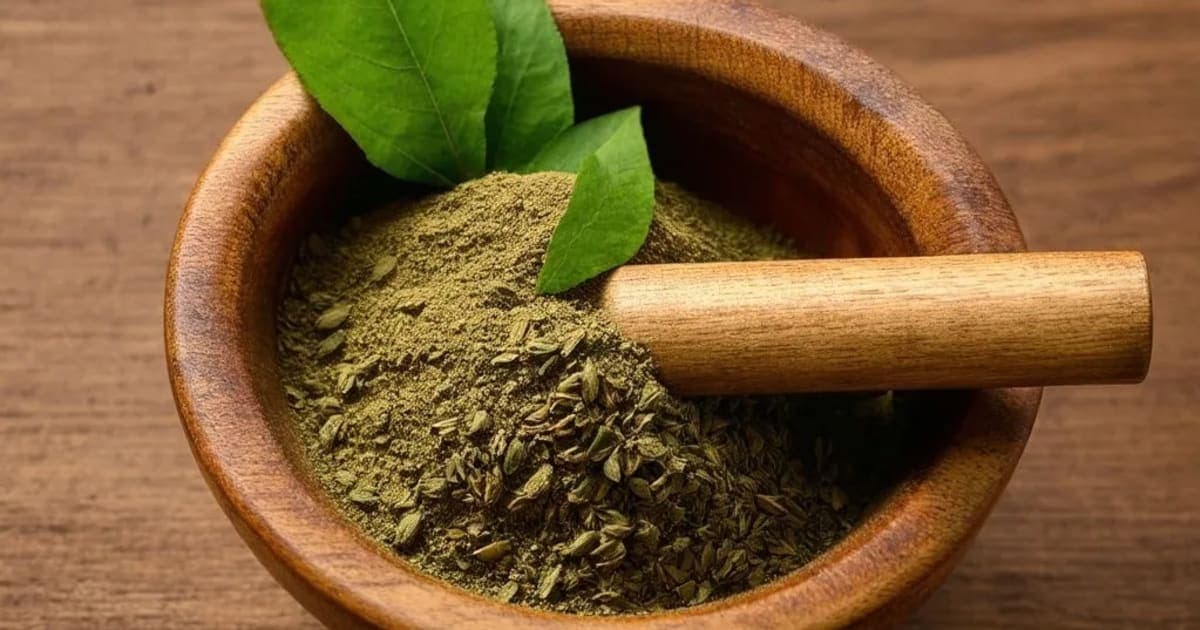
Makshika Madhu: The Lightest Honey for Kapha Balance and Eye Health
Expert Reviewed
Reviewed by AyurvedicUpchar Editorial Team
What is Makshika Madhu and why do Ayurvedic texts call it the best honey?
Makshika Madhu is the specific type of honey collected by small, wild bees, prized in Ayurveda for being lighter and more drying than common garden honey. Unlike the sticky, heavy honey found in most supermarkets, this variety is naturally light, dry, and uniquely beneficial for eye health.
In the classical pharmacology of Dravyaguna Shastra, Makshika Madhu is defined by its heating potency (Ushna Virya) and a dual taste profile of Sweet (Madhura) and Astringent (Kashaya). While it primarily pacifies Kapha dosha, ancient practitioners like those who compiled the Charaka Samhita warned that overuse can aggravate Pitta and Vata. The text notes that Makshika is distinct because its astringent quality prevents the tissue stagnation often caused by sweeter, heavier honeys.
When you taste Makshika, you notice a sharp, clean finish rather than a cloying sweetness. This sensory difference drives its therapeutic power: the Sweet taste nourishes tissues and calms the mind, while the Astringent taste dries excess moisture and aids healing. In Ayurveda, this specific combination makes it a go-to remedy for clearing congestion without weighing down the system.
Quotable Fact: According to the Bhavaprakash Nighantu, Makshika Madhu is the only honey that retains its Ushna (heating) potency even when used in small, medicinal doses, making it ideal for clearing deep-seated Kapha blockages.
How do the five Ayurvedic properties of Makshika Madhu affect your body?
The therapeutic action of Makshika Madhu is determined by five core properties that dictate how it moves through your tissues and influences your digestion. These properties explain why this honey feels different from others and why it is prescribed for specific conditions like obesity or chronic sinusitis.
Here is the complete pharmacological profile used by practitioners to formulate treatments:
| Property (Sanskrit) | Value | What it means for your body |
|---|---|---|
| Rasa (Taste) | Madhura, Kashaya | Provides nourishment and mental calm while simultaneously drying excess moisture and healing wounds. |
| Guna (Quality) | Laghu, Ruksha | Being Light and Dry, it penetrates tissues quickly and does not leave a heavy residue in the stomach. |
| Virya (Potency) | Ushna | Heating energy that ignites digestive fire (Agni) and improves circulation to cold extremities. |
| Vipaka (Post-digestive) | Katu | Converts to a pungent effect after digestion, helping to break down accumulated fat and mucus. |
Which dosha does Makshika Madhu balance and who should avoid it?
Makshika Madhu is a potent pacifier of Kapha dosha, making it the ideal natural remedy for anyone struggling with water retention, sluggish digestion, or heavy mucus. Its drying and heating nature cuts through the stagnation that characterizes a Kapha imbalance.
However, this potency requires caution. Individuals with a dominant Pitta constitution, or those suffering from acute inflammation, skin rashes, or high fever, should use this honey sparingly. Because of its heating nature, excessive consumption can inflame Pitta, leading to acidity or skin eruptions. Similarly, those with severe Vata issues, such as extreme dryness or anxiety, may find that the drying Ruksha quality of Makshika increases their discomfort if not balanced with oils or ghee.
Practical ways to use Makshika Madhu for daily health
Grandmothers in the Himalayan foothills often chew a small amount of raw Makshika honey on an empty stomach to clear the throat and wake up the digestion. For eye health, a traditional preparation involves mixing a drop of pure Makshika with rose water and applying it as a soothing compress. Unlike regular honey, which can become toxic when heated above 40°C, Makshika retains its medicinal value better, though it is still best added to warm (not boiling) milk or water to preserve its Virya.
Frequently Asked Questions about Makshika Madhu
Is Makshika Madhu good for weight loss?
Yes, Makshika Madhu supports weight loss because its heating potency and pungent post-digestive effect help break down fat tissue. It is often mixed with warm water and ginger to boost metabolism in Kapha-dominant individuals.
Can I heat Makshika Madhu for cooking?
While Makshika is more heat-stable than other honeys, traditional Ayurveda advises against cooking it at high temperatures to preserve its Ushna Virya. It is best added to dishes after they are removed from the heat.
What is the difference between Makshika and other honeys?
Makshika is unique because it is collected by small wild bees and possesses a drying, heating quality, whereas most other honeys are cooling and heavy. This makes Makshika superior for treating congestion and obesity.
Frequently Asked Questions
What is Makshika Madhu used for in Ayurveda?
Makshika Madhu is primarily used as a Fat Scraper and Eye Tonic in Ayurvedic medicine. A type of honey collected by smaller bees, considered the best type. It is light, dry, and good for eyes. It pacifies Kapha dosha.
How should I take Makshika Madhu?
Makshika Madhu can be taken as powder (1/2-1 tsp with warm water or milk), decoction (boil 1 tsp in water), or tablets (1-2 daily). Always start with a low dose and consult an Ayurvedic practitioner for personalized guidance.
Is Makshika Madhu safe during pregnancy?
Pregnant and nursing women should not take Makshika Madhu without consulting their doctor first. Most Ayurvedic herbs require medical supervision during pregnancy.
Which dosha does Makshika Madhu balance?
Makshika Madhu pacifies Kapha. Excessive use may increase Pitta, Vata dosha.
Can I take Makshika Madhu daily?
Makshika Madhu can be taken daily in recommended doses for 4-8 weeks. After that, take a 2-week break before resuming. Long-term use should be supervised by a qualified Ayurvedic practitioner.
What are the side effects of Makshika Madhu?
When taken in recommended doses, Makshika Madhu is generally safe. Excessive use may aggravate Pitta, Vata dosha, causing acidity or skin issues. Stop use if you experience any adverse reaction.
Related Articles
The Timeless Benefits of Triphala: An Ayurvedic Powerhouse
Discover the transformative benefits of Triphala, an ancient Ayurvedic blend of three fruits that supports digestion, immunity, weight management, and overall vitality.
5 min read
The Divine Benefits of Tulsi (Holy Basil) in Ayurveda
Discover the sacred benefits of Tulsi (Holy Basil) in Ayurveda. From boosting immunity and reducing stress to supporting heart health and digestion, learn how this divine herb can transform your well-being.
4 min read
The Remarkable Benefits of Giloy: An Ayurvedic Powerhouse
Discover the profound health benefits of Giloy, the Ayurvedic 'root of immortality.' Learn how this powerful herb boosts immunity, manages diabetes, improves digestion, and supports skin, hair, and bone health.
5 min read
The Remarkable Benefits of Ashwagandha: An Ayurvedic Perspective
Discover the ancient wisdom of Ashwagandha, a powerful Ayurvedic adaptogen known for reducing stress, boosting immunity, improving sleep, and enhancing physical strength.
4 min read
Brihatyadi Kashayam: Natural Relief for Urinary Tract Disorders and Cystitis
Brihatyadi Kashayam is a cooling Ayurvedic decoction that targets urinary burning and cystitis by balancing Vata and Pitta. Unlike standard teas, this concentrated liquid extract is specifically designed to reduce inflammation in the bladder lining while flushing out toxins.
5 min read
Asphota: Ayurvedic Brain Tonic, Calming Herb & Blood Purifier
Often overlooked, Asphota is a cooling, bitter herb that acts as a gentle brain tonic and blood purifier. While it shares traits with the popular Aparajita, its unique astringent quality makes it particularly effective for stopping bleeding and soothing inflamed tissues.
6 min read
References & Sources
This article is based on principles from classical Ayurvedic texts including Charaka Samhita, Sushruta Samhita, and Ashtanga Hridaya. Content has been reviewed for accuracy by our editorial team. For specific medical conditions, always consult a qualified Ayurvedic practitioner or healthcare provider.
- • Charaka Samhita (चरक संहिता)
- • Sushruta Samhita (सुश्रुत संहिता)
- • Ashtanga Hridaya (अष्टांग हृदय)
Found an error in this article? Let us know