
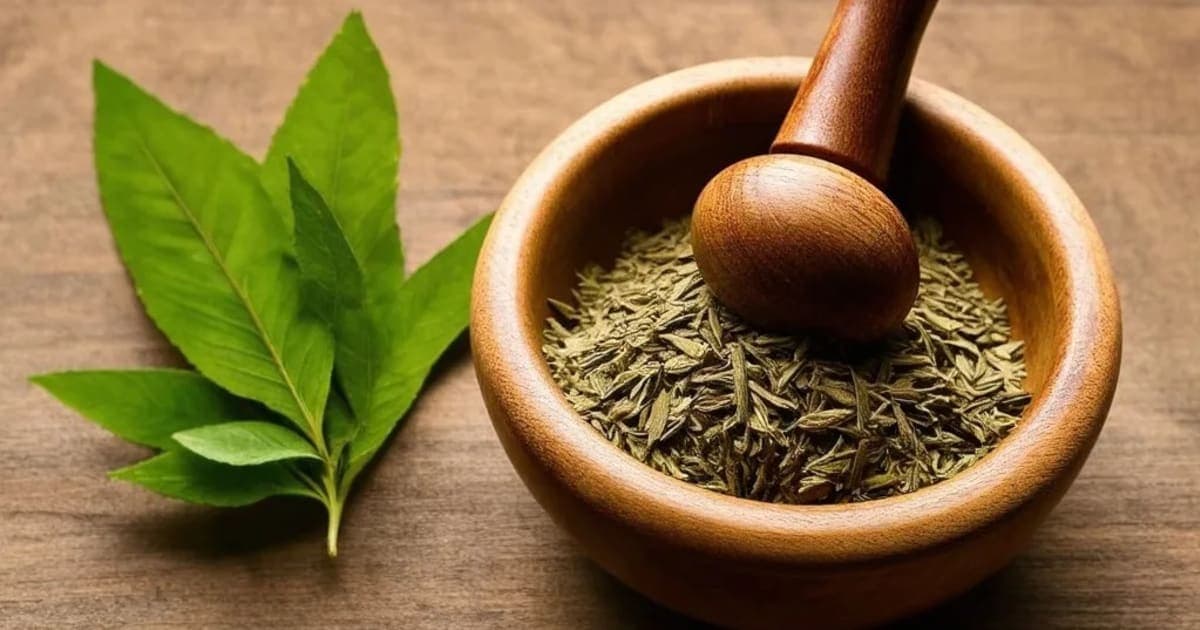
Madhu: Ayurvedic Honey Benefits, Uses & Dosha Balance
Expert Reviewed
Reviewed by AyurvedicUpchar Editorial Team
What is Madhu in Ayurveda?
Madhu, the Sanskrit name for pure honey, is a unique Ayurvedic substance classified as Yogavahi, meaning it carries the properties of other herbs it is mixed with deep into the tissues. Unlike modern table sugar, raw Madhu is not just a sweetener but a scraping (Lekhana) agent that cleanses channels while nourishing the body. Classical texts like the Charaka Samhita describe it as a primary vehicle (Anupana) for medicine because of its ability to penetrate every cell without leaving residue.
You can identify high-quality Madhu by its distinct floral aroma and a taste that starts sweet (Madhura) but leaves a slightly dry, astringent aftertaste (Kashaya). This specific flavor profile tells an Ayurvedic practitioner exactly how it will behave inside your digestion: it builds tissue initially but ultimately dries up excess moisture and mucus. While it is generally heating, old honey (over a year old) is considered even more drying and potent for reducing Kapha than fresh harvests.
What are the Ayurvedic properties of Madhu?
The therapeutic action of Madhu is defined by five specific pharmacological qualities that determine how it interacts with your doshas and digestion. Understanding these properties explains why a spoonful of raw honey can simultaneously heal a wound and clear sinus congestion. The table below outlines the Dravyaguna (herbology) profile used by practitioners to prescribe Madhu safely.
| Property (Sanskrit) | Value | Practical Effect on the Body |
|---|---|---|
| Rasa (Taste) | Madhura (Sweet), Kashaya (Astringent) | Nourishes tissues initially, then dries excess fluid and stops bleeding. |
| Guna (Quality) | Laghu (Light), Ruksha (Dry) | Easy to digest; penetrates deep channels without causing heaviness. |
| Virya (Potency) | Ushna (Heating) | Stimulates digestive fire (Agni) and improves circulation immediately. |
| Vipaka (Post-digestive) | Katu (Pungent) | Creates a long-term heating and clearing effect after metabolism. |
| Prabhava (Special) | Yogavahi (Carrier) | Enhances the efficacy of any herb it is mixed with. |
Notice how the heating potency (Ushna Virya) combined with a pungent post-digestive effect (Katu Vipaka) creates a powerful cleansing action. This is why grandmothers often mix Madhu with ginger powder or black pepper for colds; the honey delivers the spices deep into the respiratory tract where the mucus sits.
Which doshas does Madhu balance?
Madhu primarily pacifies Kapha dosha due to its light, dry, and heating qualities, making it the go-to remedy for congestion, obesity, and sluggish digestion. However, because of its heating nature, it can aggravate Pitta if taken in excess or by someone who is already overheated. While it balances Kapha, its drying quality can also disturb Vata if consumed without enough liquid or fat to buffer its sharpness.
For Kapha types feeling heavy, lethargic, or congested, a teaspoon of raw Madhu with warm water acts as a gentle metabolic spark. Conversely, those with high Pitta (acid reflux, anger, skin rashes) should use it sparingly, perhaps mixed with cooling ghee or milk to neutralize the heat. Vata individuals benefit from the sweetness but must ensure the honey is dissolved in warm water or ghee to prevent the dry quality from increasing gas and dryness in the colon.
How is Madhu used for health benefits?
In daily practice, Madhu is most effective when used as a carrier for other herbs or as a standalone topical application for minor wounds and burns. Its Yogavahi nature means mixing it with Trikatu (a blend of ginger, black pepper, and long pepper) creates a potent formula for clearing sinus blockages and boosting metabolism. Topically, applying a thin layer of pure, unprocessed honey on minor cuts accelerates healing by keeping the area moist yet free from infection due to its natural antimicrobial properties.
A common household remedy involves mixing equal parts Madhu and turmeric powder to create a paste for sore throats or skin inflammation. Unlike refined sugar, which feeds bacteria, raw Madhu's low moisture content and enzymatic activity inhibit bacterial growth. Remember never to heat Madhu directly on a stove or mix it with equal amounts of ghee by weight, as classical texts warn this combination becomes toxic and difficult to digest.
Frequently Asked Questions
Is raw honey better than processed honey in Ayurveda?
Yes, raw, unprocessed Madhu retains the natural enzymes and Prabhava (special potency) required for therapeutic effects, whereas pasteurized honey loses its medicinal value and acts more like simple sugar.
Can I take Madhu if I have high Pitta?
People with high Pitta can take small amounts of Madhu, but it should be mixed with cooling substances like ghee, milk, or coriander water to counteract its inherent heating potency.
Why does Ayurveda say not to cook honey?
Ayurveda teaches that heating honey changes its molecular structure, making it sticky and difficult to digest, which can lead to the formation of Ama (toxins) in the body.
What is the best time of day to take Madhu?
For weight management and Kapha reduction, take Madhu in the morning with warm water; for general nourishment or Vata balance, take it in the evening with warm milk or ghee.
Frequently Asked Questions
What is Madhu used for in Ayurveda?
Madhu is primarily used as a Fat Scraper and Sandhanakaraka in Ayurvedic medicine. Honey is used as a vehicle (anupana) for many medicines. It is scraping, healing, and pacifies Kapha. It pacifies Kapha dosha.
How should I take Madhu?
Madhu can be taken as powder (1/2-1 tsp with warm water or milk), decoction (boil 1 tsp in water), or tablets (1-2 daily). Always start with a low dose and consult an Ayurvedic practitioner for personalized guidance.
Is Madhu safe during pregnancy?
Pregnant and nursing women should not take Madhu without consulting their doctor first. Most Ayurvedic herbs require medical supervision during pregnancy.
Which dosha does Madhu balance?
Madhu pacifies Kapha. Excessive use may increase Pitta, Vata dosha.
Can I take Madhu daily?
Madhu can be taken daily in recommended doses for 4-8 weeks. After that, take a 2-week break before resuming. Long-term use should be supervised by a qualified Ayurvedic practitioner.
What are the side effects of Madhu?
When taken in recommended doses, Madhu is generally safe. Excessive use may aggravate Pitta, Vata dosha, causing acidity or skin issues. Stop use if you experience any adverse reaction.
Related Articles
The Timeless Benefits of Triphala: An Ayurvedic Powerhouse
Discover the transformative benefits of Triphala, an ancient Ayurvedic blend of three fruits that supports digestion, immunity, weight management, and overall vitality.
5 min read
The Divine Benefits of Tulsi (Holy Basil) in Ayurveda
Discover the sacred benefits of Tulsi (Holy Basil) in Ayurveda. From boosting immunity and reducing stress to supporting heart health and digestion, learn how this divine herb can transform your well-being.
4 min read
The Remarkable Benefits of Giloy: An Ayurvedic Powerhouse
Discover the profound health benefits of Giloy, the Ayurvedic 'root of immortality.' Learn how this powerful herb boosts immunity, manages diabetes, improves digestion, and supports skin, hair, and bone health.
5 min read
The Remarkable Benefits of Ashwagandha: An Ayurvedic Perspective
Discover the ancient wisdom of Ashwagandha, a powerful Ayurvedic adaptogen known for reducing stress, boosting immunity, improving sleep, and enhancing physical strength.
4 min read
Brihatyadi Kashayam: Natural Relief for Urinary Tract Disorders and Cystitis
Brihatyadi Kashayam is a cooling Ayurvedic decoction that targets urinary burning and cystitis by balancing Vata and Pitta. Unlike standard teas, this concentrated liquid extract is specifically designed to reduce inflammation in the bladder lining while flushing out toxins.
5 min read
Asphota: Ayurvedic Brain Tonic, Calming Herb & Blood Purifier
Often overlooked, Asphota is a cooling, bitter herb that acts as a gentle brain tonic and blood purifier. While it shares traits with the popular Aparajita, its unique astringent quality makes it particularly effective for stopping bleeding and soothing inflamed tissues.
6 min read
References & Sources
This article is based on principles from classical Ayurvedic texts including Charaka Samhita, Sushruta Samhita, and Ashtanga Hridaya. Content has been reviewed for accuracy by our editorial team. For specific medical conditions, always consult a qualified Ayurvedic practitioner or healthcare provider.
- • Charaka Samhita (चरक संहिता)
- • Sushruta Samhita (सुश्रुत संहिता)
- • Ashtanga Hridaya (अष्टांग हृदय)
Found an error in this article? Let us know