
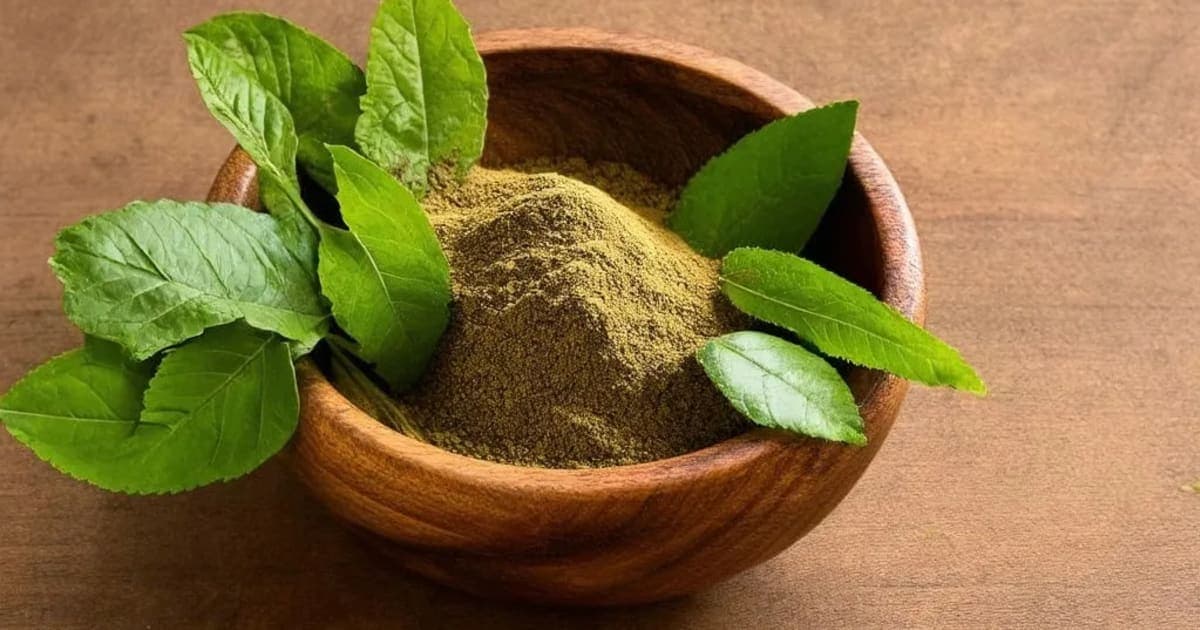
Mahatiktaka Ghrita: Bitter Ghee for Skin Health and Pitta Balance
Expert Reviewed
Reviewed by AyurvedicUpchar Editorial Team
What is Mahatiktaka Ghrita?
Mahatiktaka Ghrita is a deeply bitter, medicated ghee crafted from five specific bitter herbs infused into clarified butter, traditionally used to clear blood toxins and calm severe skin conditions. Unlike fresh ghee which tastes rich and nutty, this preparation carries a sharp, astringent bitterness that signals its potent detoxifying power. Charaka Samhita, specifically in the Sutra Sthana, classifies this formulation as a primary treatment for Kustha (skin diseases) and various Pitta disorders, noting that the ghee base carries the bitter herbs deep into the tissues where they work to cool inflammation.
When you take a spoonful, the initial taste is intensely bitter, lingering on the tongue before the warm, oily texture of the ghee coats the mouth. This specific sensory profile is not accidental; Ayurveda teaches that taste (Rasa) dictates therapeutic action. The bitterness acts as a scrub for the blood, while the unctuous nature of the ghee prevents the drying effects often seen with other bitter medicines, ensuring the herbs penetrate the fat layers of the skin rather than just passing through.
How do the Ayurvedic properties of Mahatiktaka Ghrita work?
The therapeutic action of Mahatiktaka Ghrita is defined by its unique combination of a bitter taste, cooling potency, and oily texture, which together detoxify the blood and reduce inflammation without drying the body. Every Ayurvedic herb interacts with your physiology through five core properties, and understanding these explains why this ghee is preferred over simple bitter teas for chronic skin issues.
Below is the complete pharmacological profile that dictates its clinical use:
| Property (Sanskrit) | Value | What it means for your body |
|---|---|---|
| Rasa (Taste) | Tikta (Bitter) | Scrapes toxins, purifies blood, and directly reduces Pitta heat. |
| Guna (Quality) | Snigdha (Unctuous) | Ensures the bitter herbs penetrate deep into tissues without causing dryness. |
| Virya (Potency) | Sheeta (Cooling) | Immediately cools burning sensations, rashes, and systemic inflammation. |
| Vipaka (Post-digestive) | Katu (Pungent) | Stimulates digestion and helps eliminate the toxins released during detox. |
One critical fact to remember is that while the taste is bitter and the potency is cooling, the post-digestive effect turns pungent; this means it eventually kindles digestive fire (Agni) after the initial cooling phase, preventing the sluggish digestion that pure cooling foods sometimes cause.
Which dosha does Mahatiktaka Ghrita balance?
Mahatiktaka Ghrita is primarily a Pitta pacifier, making it the go-to remedy for conditions driven by excess heat, acidity, and inflammatory skin reactions like eczema, psoriasis, or acne. It works by cooling the blood and reducing the fiery quality of Pitta that manifests as redness, burning sensations, and irritability in the body.
However, because of its intensely bitter taste and heavy, oily nature, it can aggravate Vata if used indiscriminately. People with a Vata constitution, or those suffering from severe dryness, constipation, or anxiety, should use this ghee only under the guidance of an Ayurvedic practitioner. If you have Vata imbalances, the bitter taste may increase dryness in the tissues, while the heavy ghee could slow down digestion if your Agni is weak.
How to know if you need Mahatiktaka Ghrita
You likely need Mahatiktaka Ghrita if you experience persistent skin rashes, burning sensations in the stomach, chronic acidity, or a general feeling of being "overheated" even in cool weather. These are classic signs of elevated Pitta that have entered the blood (Rakta dhatu), requiring a formulation that can both cool and cleanse simultaneously.
In traditional households, this ghee is often taken in the morning on an empty stomach, sometimes mixed with a little honey to mask the bitterness, or dissolved in warm milk to ease its heavy texture. A grandmother's tip is to start with just half a teaspoon; the body needs time to adjust to the intense bitterness, and increasing the dose too quickly can cause nausea or loose stools.
FAQ: Common Questions About Mahatiktaka Ghrita
Can Mahatiktaka Ghrita be used for psoriasis and eczema?
Yes, Mahatiktaka Ghrita is a classical treatment for psoriasis and eczema because it purifies the blood and cools the inflammation driving these skin conditions. The ghee base helps deliver the bitter herbs deep into the skin layers to heal chronic lesions.
What is the best way to take Mahatiktaka Ghrita?
The most effective method is to take half a teaspoon to one teaspoon on an empty stomach in the morning, often mixed with warm milk or a small amount of honey to improve palatability and absorption.
Does Mahatiktaka Ghrita increase Vata dosha?
Yes, prolonged or excessive use can aggravate Vata due to its extremely bitter taste, which can cause dryness and gas in sensitive individuals, so moderation and practitioner guidance are essential for Vata types.
How long does it take to see results with Mahatiktaka Ghrita?
While some cooling effects are felt quickly, significant skin clearance and blood purification typically require 4 to 6 weeks of consistent daily use, as the herbs need time to clear accumulated toxins from the tissues.
Medical Disclaimer: This content is for informational purposes only and does not constitute medical advice. Mahatiktaka Ghrita is a potent medicinal preparation. Always consult a qualified Ayurvedic practitioner or healthcare provider before starting any new herbal regimen, especially if you are pregnant, nursing, or taking prescription medications.
Frequently Asked Questions
What is Mahatiktaka Ghrita used for in Ayurveda?
Mahatiktaka Ghrita is primarily used as a Skin Healer and Raktashodhak in Ayurvedic medicine. A highly bitter medicated ghee used for a wide range of Pitta-dominant skin diseases, and for blood purification. It pacifies Pitta dosha.
How should I take Mahatiktaka Ghrita?
Mahatiktaka Ghrita can be taken as powder (1/2-1 tsp with warm water or milk), decoction (boil 1 tsp in water), or tablets (1-2 daily). Always start with a low dose and consult an Ayurvedic practitioner for personalized guidance.
Is Mahatiktaka Ghrita safe during pregnancy?
Pregnant and nursing women should not take Mahatiktaka Ghrita without consulting their doctor first. Most Ayurvedic herbs require medical supervision during pregnancy.
Which dosha does Mahatiktaka Ghrita balance?
Mahatiktaka Ghrita pacifies Pitta. Excessive use may increase Vata dosha.
Can I take Mahatiktaka Ghrita daily?
Mahatiktaka Ghrita can be taken daily in recommended doses for 4-8 weeks. After that, take a 2-week break before resuming. Long-term use should be supervised by a qualified Ayurvedic practitioner.
What are the side effects of Mahatiktaka Ghrita?
When taken in recommended doses, Mahatiktaka Ghrita is generally safe. Excessive use may aggravate Vata dosha, causing gas or bloating. Stop use if you experience any adverse reaction.
Related Articles
The Timeless Benefits of Triphala: An Ayurvedic Powerhouse
Discover the transformative benefits of Triphala, an ancient Ayurvedic blend of three fruits that supports digestion, immunity, weight management, and overall vitality.
5 min read
The Divine Benefits of Tulsi (Holy Basil) in Ayurveda
Discover the sacred benefits of Tulsi (Holy Basil) in Ayurveda. From boosting immunity and reducing stress to supporting heart health and digestion, learn how this divine herb can transform your well-being.
4 min read
The Remarkable Benefits of Giloy: An Ayurvedic Powerhouse
Discover the profound health benefits of Giloy, the Ayurvedic 'root of immortality.' Learn how this powerful herb boosts immunity, manages diabetes, improves digestion, and supports skin, hair, and bone health.
5 min read
The Remarkable Benefits of Ashwagandha: An Ayurvedic Perspective
Discover the ancient wisdom of Ashwagandha, a powerful Ayurvedic adaptogen known for reducing stress, boosting immunity, improving sleep, and enhancing physical strength.
4 min read
Brihatyadi Kashayam: Natural Relief for Urinary Tract Disorders and Cystitis
Brihatyadi Kashayam is a cooling Ayurvedic decoction that targets urinary burning and cystitis by balancing Vata and Pitta. Unlike standard teas, this concentrated liquid extract is specifically designed to reduce inflammation in the bladder lining while flushing out toxins.
5 min read
Asphota: Ayurvedic Brain Tonic, Calming Herb & Blood Purifier
Often overlooked, Asphota is a cooling, bitter herb that acts as a gentle brain tonic and blood purifier. While it shares traits with the popular Aparajita, its unique astringent quality makes it particularly effective for stopping bleeding and soothing inflamed tissues.
6 min read
References & Sources
This article is based on principles from classical Ayurvedic texts including Charaka Samhita, Sushruta Samhita, and Ashtanga Hridaya. Content has been reviewed for accuracy by our editorial team. For specific medical conditions, always consult a qualified Ayurvedic practitioner or healthcare provider.
- • Charaka Samhita (चरक संहिता)
- • Sushruta Samhita (सुश्रुत संहिता)
- • Ashtanga Hridaya (अष्टांग हृदय)
Found an error in this article? Let us know