
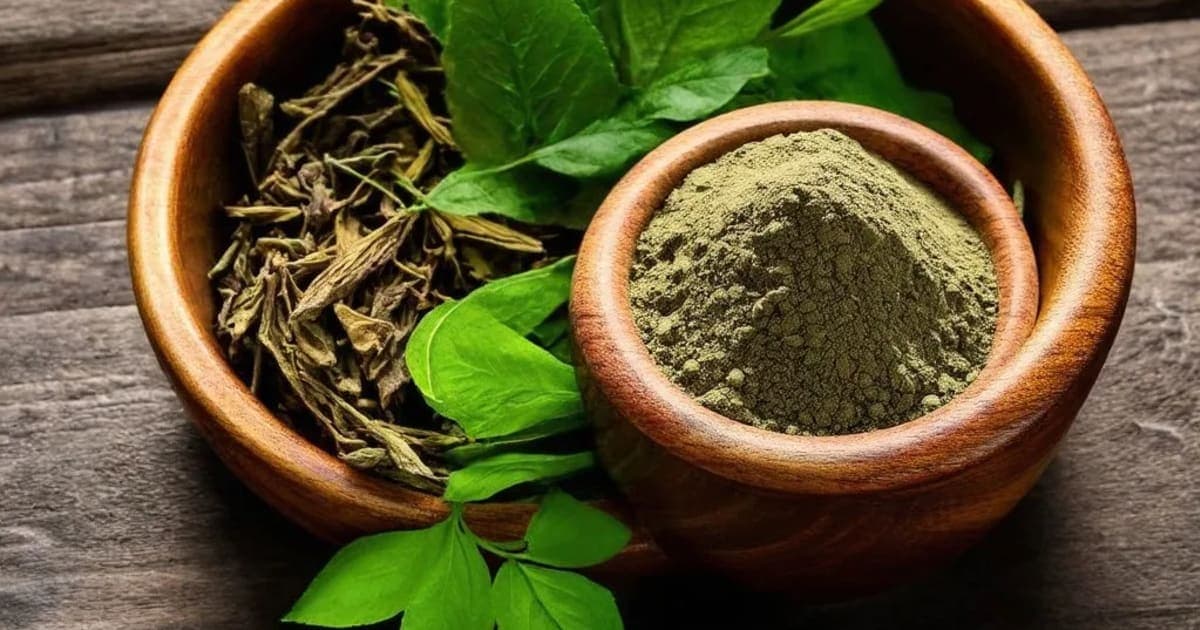
Madhukarkati: Digestion Aid, Heart Tonic & Ayurvedic Cooling Herb
Expert Reviewed
Reviewed by AyurvedicUpchar Editorial Team
What is Madhukarkati and how is it used?
Madhukarkati, the Ayurvedic name for the giant Citrus maxima or pomelo, is a cooling, sour-sweet fruit used to stimulate digestion, calm the heart, and balance Vata and Pitta doshas. Unlike generic citrus, this fruit offers a unique texture and flavor profile that Ayurvedic practitioners have prized for centuries to clear heat from the system while nourishing tissues.
When you hold a Madhukarkati, you notice its thick, spongy rind and the distinct, less acidic sweetness of its flesh compared to a regular grapefruit. In traditional households, people often eat the fresh segments after a heavy meal to aid digestion or mix the juice with warm milk and a pinch of rock salt to soothe a burning stomach. The Charaka Samhita, Sutra Sthana, specifically cites this fruit for its ability to kindle digestive fire (Agni) without generating excessive heat, making it a rare cooling agent that still stimulates appetite.
Madhukarkati is a cooling (Sheeta Virya) fruit with a dual taste of Sour (Amla) and Sweet (Madhura), primarily used to pacify Vata and Pitta while requiring caution in Kapha conditions. Its therapeutic power lies in this balance: the sour taste awakens the appetite and aids digestion, while the sweet component builds strength and calms the nervous system. This combination allows it to act as a cardiotonic and a digestive aid simultaneously, a dual action few fruits possess.
What are the Ayurvedic properties of Madhukarkati?
The Ayurvedic properties of Madhukarkati define it as a light, cooling, and sour-sweet substance that digests quickly, cools inflammation, and leaves a sour post-digestive effect. These five fundamental characteristics determine exactly how the fruit interacts with your tissues and doshas.
Understanding these properties helps you use Madhukarkati effectively. For instance, its Laghu (light) quality means it does not sit heavy in the stomach, while its Sheeta (cold) potency makes it an immediate remedy for conditions like heartburn, skin rashes, or feverish states. The Amla Vipaka ensures that even after digestion, the body retains a mild acidic balance that supports tissue health.
| Property (Sanskrit) | Value | What it means for your body |
|---|---|---|
| Rasa (Taste) | Amla, Madhura | Stimulates digestion and appetite; nourishes tissues and calms the mind. |
| Guna (Quality) | Laghu | Light in nature, allowing for rapid absorption and easy tissue penetration. |
| Virya (Potency) | Sheeta | Cooling energy that reduces inflammation, burns, and excess body heat. |
| Vipaka (Post-digestive) | Amla | Sour after-digestion effect that maintains tissue acidity and supports metabolism. |
| Dosha Effect | Pacifies Vata, Pitta | Calms anxiety and heat; may aggravate Kapha if used in excess. |
Who benefits most from using Madhukarkati?
Madhukarkati benefits individuals with elevated Vata and Pitta doshas, offering relief from anxiety, joint pain, heartburn, skin inflammation, and digestive stagnation. It is particularly effective for those who feel cold yet suffer from internal heat, a common paradox in Vata-Pitta imbalances.
If you experience symptoms like dry, cracking skin, racing thoughts, insomnia, or a burning sensation in the stomach, the cooling and grounding nature of this fruit can restore equilibrium. A grandmother's practical tip is to add a few segments of Madhukarkati to a warm soup or salad during the hot summer months to prevent dehydration and keep the heart calm. The fruit's ability to cool the blood while nourishing the heart makes it a staple for anyone managing hypertension or stress-related palpitations.
However, those with a dominant Kapha constitution or active congestion should approach this fruit with caution. Because the fruit is heavy in sweetness and can increase mucus production, eating it in large quantities may lead to sluggishness, weight gain, or sinus congestion. If you have a cold or are prone to phlegm, limit your intake or combine it with warming spices like black pepper to counteract the Kapha-increasing potential.
How do classical texts describe Madhukarkati?
Classical Ayurvedic texts describe Madhukarkati as a vital medicinal substance (Dravya) that balances the three doshas when used correctly, with specific mentions in the Bhavaprakash Nighantu regarding its cardiotonic and digestive properties. These ancient sources emphasize that its efficacy depends on the season and the specific condition of the patient's digestive fire.
The Bhavaprakash Nighantu categorizes Madhukarkati under fruits that are excellent for the heart and eyes, noting its ability to clear the channels of the body. A quotable fact from these traditions is that "Madhukarkati acts as a natural coolant that does not extinguish digestive fire, unlike other cooling agents that may cause stagnation." This distinction makes it superior for long-term use in managing chronic heat conditions.
Frequently Asked Questions
Can Madhukarkati be eaten daily?
Yes, Madhukarkati can be eaten daily in moderate amounts (one or two segments) for Vata and Pitta types, but it should be limited for Kapha individuals to avoid mucus buildup. Consuming it after meals aids digestion without overburdening the system.
Does Madhukarkati help with weight loss?
Madhukarkati supports weight management by improving digestion and metabolism, but it may cause weight gain if overconsumed by Kapha types due to its sweet and heavy qualities. It works best when paired with a balanced diet and regular exercise.
What is the best way to consume Madhukarkati for heart health?
For heart health, fresh Madhukarkati segments are best consumed in the morning or mixed with a small amount of honey and rock salt to enhance absorption and cooling effects. Avoid adding excessive sugar, which can counteract its cardiotonic benefits.
Is Madhukarkati safe during pregnancy?
Madhukarkati is generally safe during pregnancy for Vata and Pitta types to relieve nausea and heartburn, but pregnant women should consult an Ayurvedic practitioner before adding it to their regular diet to ensure it suits their specific constitution.
Disclaimer: This information is for educational purposes only and does not constitute medical advice. Always consult with a qualified Ayurvedic practitioner or healthcare provider before starting any new herbal regimen, especially if you have existing health conditions or are taking medication.
Frequently Asked Questions
What is Madhukarkati used for in Ayurveda?
Madhukarkati is primarily used as a Heart Tonic and Appetite Stimulant in Ayurvedic medicine. Pomelo (Citrus maxima) is a refreshing fruit that aids digestion and acts as a cardiotonic. It pacifies Vata, Pitta dosha.
How should I take Madhukarkati?
Madhukarkati can be taken as powder (1/2-1 tsp with warm water or milk), decoction (boil 1 tsp in water), or tablets (1-2 daily). Always start with a low dose and consult an Ayurvedic practitioner for personalized guidance.
Is Madhukarkati safe during pregnancy?
Pregnant and nursing women should not take Madhukarkati without consulting their doctor first. Most Ayurvedic herbs require medical supervision during pregnancy.
Which dosha does Madhukarkati balance?
Madhukarkati pacifies Vata, Pitta. Excessive use may increase Kapha dosha.
Can I take Madhukarkati daily?
Madhukarkati can be taken daily in recommended doses for 4-8 weeks. After that, take a 2-week break before resuming. Long-term use should be supervised by a qualified Ayurvedic practitioner.
What are the side effects of Madhukarkati?
When taken in recommended doses, Madhukarkati is generally safe. Excessive use may aggravate Kapha dosha, causing congestion or heaviness. Stop use if you experience any adverse reaction.
Related Articles
The Timeless Benefits of Triphala: An Ayurvedic Powerhouse
Discover the transformative benefits of Triphala, an ancient Ayurvedic blend of three fruits that supports digestion, immunity, weight management, and overall vitality.
5 min read
The Divine Benefits of Tulsi (Holy Basil) in Ayurveda
Discover the sacred benefits of Tulsi (Holy Basil) in Ayurveda. From boosting immunity and reducing stress to supporting heart health and digestion, learn how this divine herb can transform your well-being.
4 min read
The Remarkable Benefits of Giloy: An Ayurvedic Powerhouse
Discover the profound health benefits of Giloy, the Ayurvedic 'root of immortality.' Learn how this powerful herb boosts immunity, manages diabetes, improves digestion, and supports skin, hair, and bone health.
5 min read
The Remarkable Benefits of Ashwagandha: An Ayurvedic Perspective
Discover the ancient wisdom of Ashwagandha, a powerful Ayurvedic adaptogen known for reducing stress, boosting immunity, improving sleep, and enhancing physical strength.
4 min read
Brihatyadi Kashayam: Natural Relief for Urinary Tract Disorders and Cystitis
Brihatyadi Kashayam is a cooling Ayurvedic decoction that targets urinary burning and cystitis by balancing Vata and Pitta. Unlike standard teas, this concentrated liquid extract is specifically designed to reduce inflammation in the bladder lining while flushing out toxins.
5 min read
Asphota: Ayurvedic Brain Tonic, Calming Herb & Blood Purifier
Often overlooked, Asphota is a cooling, bitter herb that acts as a gentle brain tonic and blood purifier. While it shares traits with the popular Aparajita, its unique astringent quality makes it particularly effective for stopping bleeding and soothing inflamed tissues.
6 min read
References & Sources
This article is based on principles from classical Ayurvedic texts including Charaka Samhita, Sushruta Samhita, and Ashtanga Hridaya. Content has been reviewed for accuracy by our editorial team. For specific medical conditions, always consult a qualified Ayurvedic practitioner or healthcare provider.
- • Charaka Samhita (चरक संहिता)
- • Sushruta Samhita (सुश्रुत संहिता)
- • Ashtanga Hridaya (अष्टांग हृदय)
Found an error in this article? Let us know