
Madhu Mandur: Benefits for Iron-Deficiency Anemia & Ayurvedic Use
Expert Reviewed
Reviewed by AyurvedicUpchar Editorial Team
What is Madhu Mandur and how does it treat anemia?
Madhu Mandur is a traditional Ayurvedic iron supplement made by processing Mandura Bhasma (calcined iron) with honey, specifically designed to treat iron-deficiency anemia and restore vitality. Unlike raw iron, this formulation is gentle on the stomach and highly bioavailable, allowing the body to absorb the mineral without causing the constipation or nausea often seen with modern supplements. Ancient physicians recognized that the combination of honey and iron creates a unique vehicle that carries the mineral directly into the blood tissues (Rakta dhatu).
In the classical text Charaka Samhita, iron preparations are described as essential for rebuilding the blood, but the specific processing with honey in Madhu Mandur addresses the digestive weakness often found in anemic patients. The honey acts as an Anupana (carrier), ensuring the heavy iron particles are broken down and assimilated efficiently. This makes it a go-to remedy for chronic fatigue, pale complexion, and breathlessness after minimal exertion.
Key Fact: Madhu Mandur is distinct because the honey processing neutralizes the toxic potential of raw iron while simultaneously enhancing its absorption rate, a principle known as Yogavahi in Ayurveda.
What are the Ayurvedic properties of Madhu Mandur?
The therapeutic power of Madhu Mandur comes from its specific pharmacological profile, which balances heavy, nourishing qualities with a light, cooling energy. Understanding these five properties explains why it heals the blood without creating heat or inflammation in the body.
| Property (Sanskrit) | Value | What it means for your body |
|---|---|---|
| Rasa (Taste) | Madhura (Sweet), Tikta (Bitter) | The Sweet taste builds blood and calms the mind, while the Bitter taste cleanses toxins and reduces excess heat. |
| Guna (Quality) | Laghu (Light) | Despite being an iron preparation, it is light enough to be digested easily, preventing the sluggishness common with heavy metals. |
| Virya (Potency) | Sheeta (Cooling) | Its cooling energy soothes inflammation, reduces burning sensations, and counters the heat generated by blood deficiency. |
| Vipaka (Post-digestive effect) | Madhura (Sweet) | After digestion, it leaves a sweet, nourishing residue that strengthens tissues and promotes tissue regeneration. |
Which doshas does Madhu Mandur balance?
Madhu Mandur primarily pacifies Pitta and Kapha doshas, making it ideal for individuals suffering from inflammatory blood disorders or sluggish metabolism. Its cooling nature calms the burning sensation of high Pitta, while its bitter taste helps clear the stagnation associated with Kapha.
However, those with a dominant Vata constitution must use this herb with caution. Because the iron base is heavy and drying, excessive use can aggravate Vata, leading to dry skin, constipation, or anxiety. A traditional tip from grandmothers in rural India is to always mix the powder with warm milk or ghee if Vata is high, as the fat content counteracts the drying effect of the iron.
Signs you might benefit from Madhu Mandur
You may need Madhu Mandur if you experience classic signs of low iron: a pale tongue, dizziness when standing up, cold hands and feet, and a craving for ice or non-food items like dirt (a condition called pica). It is also highly effective for women recovering from heavy menstrual bleeding, as it rapidly replenishes the blood lost during the cycle. Unlike synthetic iron pills that often cause stomach upset, the honey in this formulation protects the digestive lining while delivering the mineral.
How is Madhu Mandur traditionally prepared and consumed?
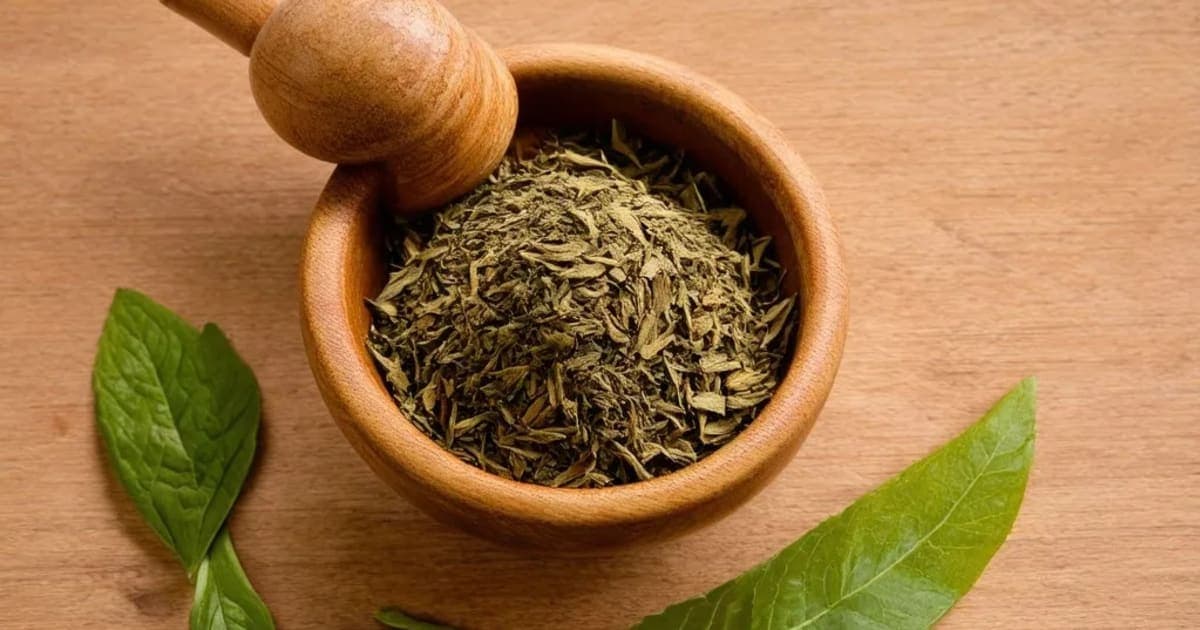
Traditionally, Madhu Mandur is consumed as a fine, dark brown powder with a distinct metallic yet sweet aroma. The most common method is to mix a small pinch (typically 125–250 mg) with a teaspoon of raw honey or warm milk. Taking it on an empty stomach in the morning ensures maximum absorption, but those with sensitive stomachs should take it after a light meal.
For children or those with weak digestion, practitioners often mix it with jaggery (unrefined cane sugar) instead of honey, as the warm energy of jaggery helps move the heavy iron through the system. It is rarely taken alone; the combination with honey or ghee is not just a preference but a pharmacological necessity to prevent the iron from settling in the gut and causing blockages.
Frequently Asked Questions
How long does it take for Madhu Mandur to cure anemia?
Most patients see an improvement in energy levels and a reduction in pallor within 4 to 6 weeks of consistent use, though full restoration of hemoglobin levels may take 3 to 6 months depending on the severity of the deficiency.
Can I take Madhu Mandur with other iron supplements?
No, you should not combine Madhu Mandur with other iron supplements or multivitamins, as this can lead to iron toxicity. Always consult an Ayurvedic practitioner to determine the correct dosage for your specific body type.
Is Madhu Mandur safe for pregnant women?
Yes, Madhu Mandur is often prescribed during pregnancy to prevent anemia, but the dosage must be strictly monitored by a qualified Ayurvedic doctor to ensure it does not aggravate Vata or cause digestive issues.
What is the difference between Madhu Mandur and regular iron pills?
Unlike synthetic iron pills which are often poorly absorbed and cause constipation, Madhu Mandur uses honey as a carrier to enhance bioavailability and includes cooling herbs that prevent the inflammation and heat associated with iron supplementation.
Disclaimer: This content is for educational purposes only and does not constitute medical advice. Madhu Mandur contains processed metals and should only be taken under the supervision of a qualified Ayurvedic practitioner or healthcare provider. Do not self-medicate.
Frequently Asked Questions
What is Madhu Mandur used for in Ayurveda?
Madhu Mandur is primarily used as a Raktavardhak and Yakrituttejaka in Ayurvedic medicine. A formulation with Mandura Bhasma, used for iron-deficiency anemia and related weakness. It pacifies Pitta, Kapha dosha.
How should I take Madhu Mandur?
Madhu Mandur can be taken as powder (1/2-1 tsp with warm water or milk), decoction (boil 1 tsp in water), or tablets (1-2 daily). Always start with a low dose and consult an Ayurvedic practitioner for personalized guidance.
Is Madhu Mandur safe during pregnancy?
Pregnant and nursing women should not take Madhu Mandur without consulting their doctor first. Most Ayurvedic herbs require medical supervision during pregnancy.
Which dosha does Madhu Mandur balance?
Madhu Mandur pacifies Pitta, Kapha. Excessive use may increase Vata dosha.
Can I take Madhu Mandur daily?
Madhu Mandur can be taken daily in recommended doses for 4-8 weeks. After that, take a 2-week break before resuming. Long-term use should be supervised by a qualified Ayurvedic practitioner.
What are the side effects of Madhu Mandur?
When taken in recommended doses, Madhu Mandur is generally safe. Excessive use may aggravate Vata dosha, causing gas or bloating. Stop use if you experience any adverse reaction.
Related Articles
The Timeless Benefits of Triphala: An Ayurvedic Powerhouse
Discover the transformative benefits of Triphala, an ancient Ayurvedic blend of three fruits that supports digestion, immunity, weight management, and overall vitality.
5 min read
The Divine Benefits of Tulsi (Holy Basil) in Ayurveda
Discover the sacred benefits of Tulsi (Holy Basil) in Ayurveda. From boosting immunity and reducing stress to supporting heart health and digestion, learn how this divine herb can transform your well-being.
4 min read
The Remarkable Benefits of Giloy: An Ayurvedic Powerhouse
Discover the profound health benefits of Giloy, the Ayurvedic 'root of immortality.' Learn how this powerful herb boosts immunity, manages diabetes, improves digestion, and supports skin, hair, and bone health.
5 min read
The Remarkable Benefits of Ashwagandha: An Ayurvedic Perspective
Discover the ancient wisdom of Ashwagandha, a powerful Ayurvedic adaptogen known for reducing stress, boosting immunity, improving sleep, and enhancing physical strength.
4 min read
Brihatyadi Kashayam: Natural Relief for Urinary Tract Disorders and Cystitis
Brihatyadi Kashayam is a cooling Ayurvedic decoction that targets urinary burning and cystitis by balancing Vata and Pitta. Unlike standard teas, this concentrated liquid extract is specifically designed to reduce inflammation in the bladder lining while flushing out toxins.
5 min read
Asphota: Ayurvedic Brain Tonic, Calming Herb & Blood Purifier
Often overlooked, Asphota is a cooling, bitter herb that acts as a gentle brain tonic and blood purifier. While it shares traits with the popular Aparajita, its unique astringent quality makes it particularly effective for stopping bleeding and soothing inflamed tissues.
6 min read
References & Sources
This article is based on principles from classical Ayurvedic texts including Charaka Samhita, Sushruta Samhita, and Ashtanga Hridaya. Content has been reviewed for accuracy by our editorial team. For specific medical conditions, always consult a qualified Ayurvedic practitioner or healthcare provider.
- • Charaka Samhita (चरक संहिता)
- • Sushruta Samhita (सुश्रुत संहिता)
- • Ashtanga Hridaya (अष्टांग हृदय)
Found an error in this article? Let us know