
Madayantika (Henna): Cooling Skin Relief & Pitta Balance in Ayurveda
Expert Reviewed
Reviewed by AyurvedicUpchar Editorial Team
What is Madayantika and how is it used?
Madayantika, commonly known as Henna (Lawsonia inermis), is a cooling herb traditionally applied to the skin to treat burning sensations, rashes, and inflammatory conditions. While most people know it for dyeing hair, Ayurveda values the leaves for their ability to draw out excess heat and toxins from the body. The classical text Bhavaprakash Nighantu specifically lists this herb under cooling substances that pacify Pitta and Kapha doshas.
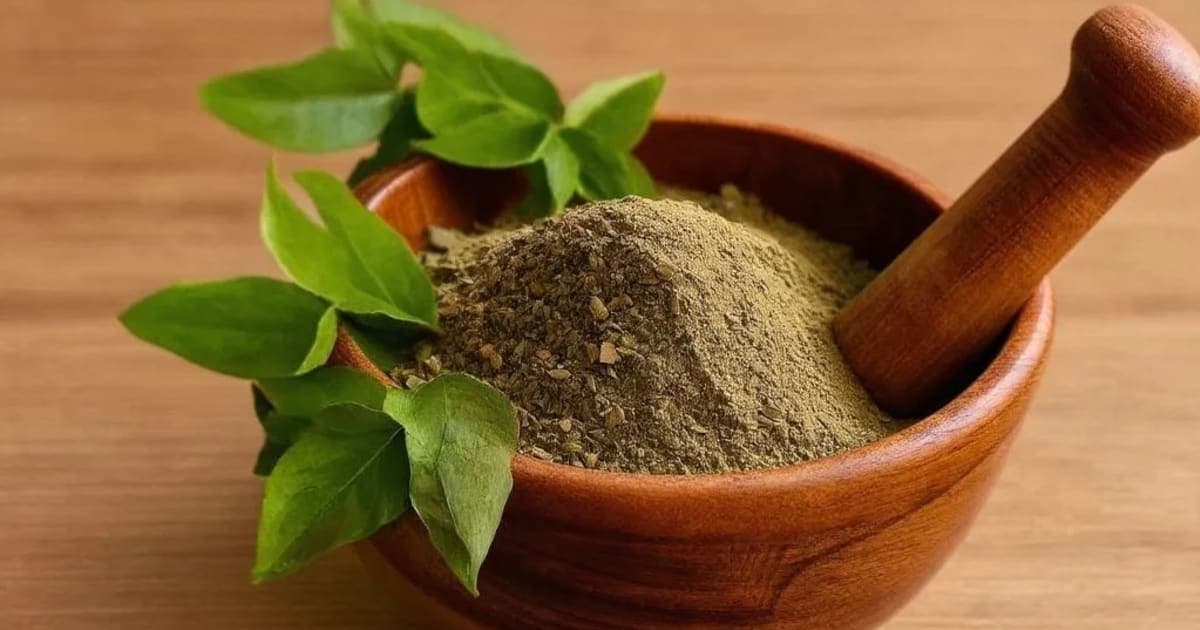
When you crush fresh Madayantika leaves, they release a sharp, grassy scent and a green juice that stains the skin orange-red. This isn't just a cosmetic effect; the plant's active compounds work to soothe irritated tissues. In rural India, grandmothers often mix the fresh leaf paste with a pinch of rock salt and apply it directly to boils or heat rashes to stop the stinging immediately. It is a simple, accessible remedy that relies on the herb's natural cooling power rather than complex preparations.
Madayantika is a cooling, astringent herb used in Ayurveda for treating skin inflammation, burning sensations, and excessive heat in the body. Its unique combination of bitter and astringent tastes allows it to dry out excess moisture while simultaneously calming fire-like symptoms.
How do the Ayurvedic properties of Madayantika work?
The therapeutic action of Madayantika comes from its specific pharmacological profile, which dictates how it moves through the body and interacts with your tissues. Understanding these properties helps you decide if it is the right remedy for your current symptoms.
| Property (Sanskrit) | Value | What it means for your body |
|---|---|---|
| Rasa (Taste) | Tikta (Bitter), Kashaya (Astringent) | Bitter taste detoxifies the blood and reduces heat; Astringent taste dries up oozing wounds and tightens skin. |
| Guna (Quality) | Laghu (Light), Ruksha (Dry) | Light and dry qualities allow the herb to penetrate quickly without clogging pores, making it ideal for oily or congested skin. |
| Virya (Potency) | Sheeta (Cooling) | Its cold potency directly counteracts burning sensations, fevers, and inflammatory redness. |
| Vipaka (Post-digestive effect) | Katu (Pungent) | After digestion, the herb has a heating metabolic effect that aids in clearing residual toxins, though it is primarily used externally. |
Which doshas does Madayantika balance?
Madayantika primarily balances Pitta and Kapha doshas by reducing heat and drying excess moisture. It is particularly effective for conditions where the body feels overheated, inflamed, or congested with fluids.
However, because the herb is drying and light, individuals with a dominant Vata constitution must use it with caution. Excessive application or internal use can aggravate Vata, leading to dry skin, constipation, or increased anxiety. For Vata types, it is best to mix the leaf paste with cooling, nourishing ingredients like yogurt or ghee to counterbalance its drying nature.
You might need Madayantika if you experience frequent heartburn, skin rashes that feel hot to the touch, excessive sweating, or a general sense of irritability and anger. These are classic signs of elevated Pitta, which this herb is uniquely suited to calm. Conversely, if you suffer from heavy, oily skin or sluggish digestion (Kapha imbalances), the herb's drying and bitter qualities can help restore balance.
How do you safely use Madyantika at home?
For external use, fresh Madayantika leaves are crushed into a fine paste and applied to the affected area, while dried leaves are often ground into a powder for hair packs. A practical tip is to add a few drops of sandalwood powder to the paste for enhanced cooling, or mix it with rose water to soothe sunburned skin. Avoid using it on cracked or deeply dry skin unless combined with an oil base, as its drying nature can worsen fissures.
Internal use is rare in modern practice due to its potency, but classical texts suggest small doses of the leaf powder in honey for specific blood-purifying needs. Always consult a qualified Ayurvedic practitioner before taking Madayantika internally, as the correct dosage depends entirely on your body type and current condition.
Madayantika works not by suppressing symptoms, but by drawing heat out of the tissues through its cooling potency and astringent action.
Frequently Asked Questions
Is Madayantika safe for pregnant women?
External application of Madayantika paste on the skin is generally considered safe for pregnant women to relieve heat rashes. However, internal consumption should be avoided during pregnancy unless explicitly prescribed by an Ayurvedic doctor, as it can stimulate the uterus.
Can Madayantika treat fungal infections?
Yes, the antifungal and drying properties of Madayantika make it effective against fungal skin infections like ringworm. Applying a fresh leaf paste mixed with neem leaves can help dry out the infection and reduce itching.
Does Madayantika stain the skin permanently?
No, the orange-red stain from Madayantika is temporary and usually fades within 10 to 14 days as the skin naturally exfoliates. The depth of the color depends on the freshness of the leaves and how long the paste is left on the skin.
What is the difference between Madayantika and Neem?
Both herbs are cooling and bitter, but Madayantika is more specific for external skin cooling and stopping bleeding, while Neem is a broader blood purifier used for both internal and external detoxification. Madayantika is preferred for acute burning sensations.
Can I use Madayantika for hair loss?
Madayantika is excellent for hair loss caused by excess scalp heat (Pitta type), but it may dry out hair if used alone. Mix the powder with amla and yogurt to nourish the roots while cooling the scalp.
Frequently Asked Questions
What is Madayantika used for in Ayurveda?
Madayantika is primarily used as a Skin Healer and Dahashamana in Ayurvedic medicine. Henna (Lawsonia inermis) is a cooling herb used externally for skin diseases and burning sensations. It pacifies Pitta, Kapha dosha.
How should I take Madayantika?
Madayantika can be taken as powder (1/2-1 tsp with warm water or milk), decoction (boil 1 tsp in water), or tablets (1-2 daily). Always start with a low dose and consult an Ayurvedic practitioner for personalized guidance.
Is Madayantika safe during pregnancy?
Pregnant and nursing women should not take Madayantika without consulting their doctor first. Most Ayurvedic herbs require medical supervision during pregnancy.
Which dosha does Madayantika balance?
Madayantika pacifies Pitta, Kapha. Excessive use may increase Vata dosha.
Can I take Madayantika daily?
Madayantika can be taken daily in recommended doses for 4-8 weeks. After that, take a 2-week break before resuming. Long-term use should be supervised by a qualified Ayurvedic practitioner.
What are the side effects of Madayantika?
When taken in recommended doses, Madayantika is generally safe. Excessive use may aggravate Vata dosha, causing gas or bloating. Stop use if you experience any adverse reaction.
Related Articles
The Timeless Benefits of Triphala: An Ayurvedic Powerhouse
Discover the transformative benefits of Triphala, an ancient Ayurvedic blend of three fruits that supports digestion, immunity, weight management, and overall vitality.
5 min read
The Divine Benefits of Tulsi (Holy Basil) in Ayurveda
Discover the sacred benefits of Tulsi (Holy Basil) in Ayurveda. From boosting immunity and reducing stress to supporting heart health and digestion, learn how this divine herb can transform your well-being.
4 min read
The Remarkable Benefits of Giloy: An Ayurvedic Powerhouse
Discover the profound health benefits of Giloy, the Ayurvedic 'root of immortality.' Learn how this powerful herb boosts immunity, manages diabetes, improves digestion, and supports skin, hair, and bone health.
5 min read
The Remarkable Benefits of Ashwagandha: An Ayurvedic Perspective
Discover the ancient wisdom of Ashwagandha, a powerful Ayurvedic adaptogen known for reducing stress, boosting immunity, improving sleep, and enhancing physical strength.
4 min read
Brihatyadi Kashayam: Natural Relief for Urinary Tract Disorders and Cystitis
Brihatyadi Kashayam is a cooling Ayurvedic decoction that targets urinary burning and cystitis by balancing Vata and Pitta. Unlike standard teas, this concentrated liquid extract is specifically designed to reduce inflammation in the bladder lining while flushing out toxins.
5 min read
Asphota: Ayurvedic Brain Tonic, Calming Herb & Blood Purifier
Often overlooked, Asphota is a cooling, bitter herb that acts as a gentle brain tonic and blood purifier. While it shares traits with the popular Aparajita, its unique astringent quality makes it particularly effective for stopping bleeding and soothing inflamed tissues.
6 min read
References & Sources
This article is based on principles from classical Ayurvedic texts including Charaka Samhita, Sushruta Samhita, and Ashtanga Hridaya. Content has been reviewed for accuracy by our editorial team. For specific medical conditions, always consult a qualified Ayurvedic practitioner or healthcare provider.
- • Charaka Samhita (चरक संहिता)
- • Sushruta Samhita (सुश्रुत संहिता)
- • Ashtanga Hridaya (अष्टांग हृदय)
Found an error in this article? Let us know