
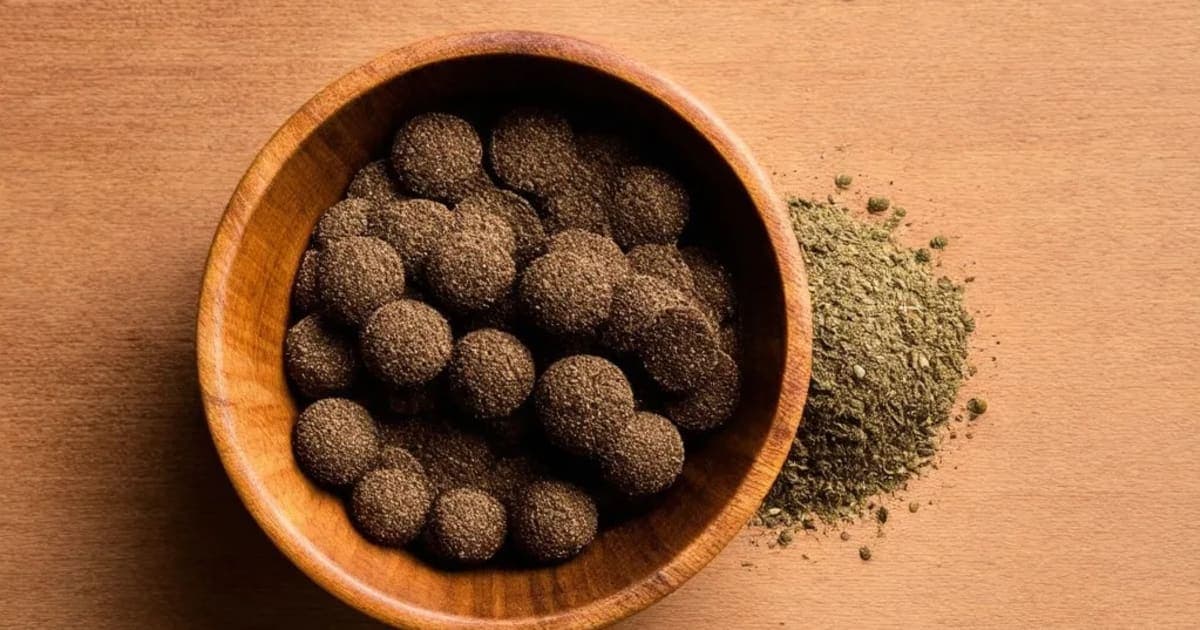
Lavangadi Vati: Relief for Sore Throat, Cough & Breath Freshening
Expert Reviewed
Reviewed by AyurvedicUpchar Editorial Team
What is Lavangadi Vati and how does it work?
Lavangadi Vati is a traditional Ayurvedic lozenge formulated primarily with Clove (Lavanga) to soothe sore throats, suppress dry coughs, and freshen breath. Unlike modern lozenges that often rely on synthetic numbing agents, this tablet works by balancing the body's internal energies while delivering immediate local relief. The formulation combines the sharp, warming aroma of cloves with cooling herbs to create a unique therapeutic effect that addresses both the symptom and the root cause of respiratory discomfort.
In classical Ayurvedic texts, specifically the Bhavaprakash Nighantu, Lavangadi Vati is described as a potent remedy for Kasa (cough) and Svara Bheda (hoarseness). The name itself gives a clue to its primary ingredient: "Lavanga" means clove. When you place this tablet under the tongue, the active compounds slowly release, coating the throat and reducing the tickle that triggers coughing. This slow-release method allows the herbs to interact directly with the mucous membranes, providing a duration of relief that swallowing a capsule cannot match.
Many grandmothers in India keep a small tin of these tablets for winter ailments, often advising children to suck on one slowly when they first feel a scratchy throat. The taste is initially sharp and slightly bitter, followed by a lingering warmth that spreads through the chest. This sensory experience is not just flavor; it is the physical manifestation of the herb's action on the body's channels.
How do Ayurvedic properties define Lavangadi Vati?
The therapeutic effects of Lavangadi Vati are determined by its specific Ayurvedic properties: it has a Pungent and Bitter taste, a Light quality, a Cooling potency, and a Pungent post-digestive effect. These five characteristics work in harmony to clear respiratory congestion without overheating the system, making it unique among pungent herbs that usually generate heat. Understanding these properties helps you know exactly when to use it and when to pause.
While many pungent herbs aggravate heat, the inclusion of cooling ingredients in this specific formulation allows Lavangadi Vati to pacify Kapha and Vata without flaring up Pitta immediately. This balance is why it is effective for coughs caused by cold weather (Kapha) as well as those caused by stress or irregular routines (Vata).
| Property (Sanskrit) | Value | What it means for your body |
|---|---|---|
| Rasa (Taste) | Katu, Tikta | Pungent taste stimulates digestion and clears mucus; Bitter taste detoxifies and cools the blood. |
| Guna (Quality) | Laghu | Light quality ensures the tablet absorbs quickly and penetrates deep into the respiratory channels. |
| Virya (Potency) | Sheeta | Cooling potency reduces inflammation in the throat and calms the burning sensation of a sore throat. |
| Vipaka (Post-digestive) | Katu | Pungent post-digestive effect ensures the herb continues to clear toxins and mucus long after digestion. |
| Dosha Effect | Pacifies Kapha, Vata | Reduces mucus, dryness, and spasms, but use caution if Pitta is already high. |
Who should use Lavangadi Vati and who should avoid it?
Lavangadi Vati is most effective for individuals experiencing Kapha and Vata imbalances, such as excessive mucus, dry cough, hoarseness, or a feeling of heaviness in the chest. It is the go-to remedy for seasonal allergies, post-nasal drip, and the early stages of a cold where the throat feels tight or ticklish. However, people with a dominant Pitta constitution or active conditions like acid reflux should use it with caution.
Because the primary taste is Pungent, excessive consumption can aggravate Pitta dosha. If you have a history of gastric ulcers, acid reflux, or skin rashes triggered by heat, limit your intake to the smallest effective dose and always take it after a meal. A common mistake is chewing the tablet quickly to get the taste over with; this releases too much heat too fast. Instead, let it dissolve slowly to maintain the cooling balance of the formulation.
Practical tips for using Lavangadi Vati
For best results, take one tablet twice a day, ideally after breakfast and dinner. If you are using it for a severe cough, you can increase the frequency to three times daily, but do not exceed this without consulting an Ayurvedic practitioner. The tablet is designed to be held under the tongue or against the cheek until it dissolves completely. Do not drink water for at least 15 minutes after taking it, as this washes away the protective layer of herbs on your throat.
For those with a Pitta imbalance, try mixing the powder from a crushed tablet with a teaspoon of honey and ghee before consuming. This simple modification adds a cooling, grounding element that counteracts the pungency while retaining the respiratory benefits. This technique is often passed down in families who rely on natural remedies for winter health.
Quotable Fact: "While most pungent herbs generate heat, Lavangadi Vati is unique in Ayurveda for combining a Pungent taste with a Cooling potency (Sheeta Virya), allowing it to clear mucus without aggravating internal fire."
Frequently Asked Questions about Lavangadi Vati
Can I take Lavangadi Vati for a sore throat?
Yes, Lavangadi Vati is highly effective for sore throats because its cooling potency reduces inflammation while its pungent taste breaks up mucus. It is particularly useful for throats that feel scratchy or hoarse due to dry coughs.
Does Lavangadi Vati help with bad breath?
Absolutely. The strong aromatic oils in the clove base neutralize odor-causing bacteria in the mouth, providing long-lasting fresh breath that lasts much longer than typical mints.
Is Lavangadi Vati safe for children?
It is generally safe for children over the age of 5, but the dosage should be reduced to half a tablet or less. Always supervise children to ensure they let the tablet dissolve slowly and do not choke on it.
Can I use Lavangadi Vati if I have high Pitta?
People with high Pitta should use it sparingly, as the Pungent taste can increase body heat. If you must use it, pair it with cooling foods like yogurt or ghee to balance the effect.
How is Lavangadi Vati different from regular cough drops?
Unlike commercial drops that often contain sugar and synthetic menthol, Lavangadi Vati uses natural herbs like clove and licorice to treat the root cause of the cough while balancing the body's doshas.
Frequently Asked Questions
What is Lavangadi Vati used for in Ayurveda?
Lavangadi Vati is primarily used as a Cough Relief and Appetite Stimulant in Ayurvedic medicine. A tablet with Clove (Lavanga), used to soothe sore throats, cough, and freshen the breath. It pacifies Kapha, Vata dosha.
How should I take Lavangadi Vati?
Lavangadi Vati can be taken as powder (1/2-1 tsp with warm water or milk), decoction (boil 1 tsp in water), or tablets (1-2 daily). Always start with a low dose and consult an Ayurvedic practitioner for personalized guidance.
Is Lavangadi Vati safe during pregnancy?
Pregnant and nursing women should not take Lavangadi Vati without consulting their doctor first. Most Ayurvedic herbs require medical supervision during pregnancy.
Which dosha does Lavangadi Vati balance?
Lavangadi Vati pacifies Kapha, Vata. Excessive use may increase Pitta dosha.
Can I take Lavangadi Vati daily?
Lavangadi Vati can be taken daily in recommended doses for 4-8 weeks. After that, take a 2-week break before resuming. Long-term use should be supervised by a qualified Ayurvedic practitioner.
What are the side effects of Lavangadi Vati?
When taken in recommended doses, Lavangadi Vati is generally safe. Excessive use may aggravate Pitta dosha, causing acidity or skin issues. Stop use if you experience any adverse reaction.
Related Articles
The Timeless Benefits of Triphala: An Ayurvedic Powerhouse
Discover the transformative benefits of Triphala, an ancient Ayurvedic blend of three fruits that supports digestion, immunity, weight management, and overall vitality.
5 min read
The Divine Benefits of Tulsi (Holy Basil) in Ayurveda
Discover the sacred benefits of Tulsi (Holy Basil) in Ayurveda. From boosting immunity and reducing stress to supporting heart health and digestion, learn how this divine herb can transform your well-being.
4 min read
The Remarkable Benefits of Giloy: An Ayurvedic Powerhouse
Discover the profound health benefits of Giloy, the Ayurvedic 'root of immortality.' Learn how this powerful herb boosts immunity, manages diabetes, improves digestion, and supports skin, hair, and bone health.
5 min read
The Remarkable Benefits of Ashwagandha: An Ayurvedic Perspective
Discover the ancient wisdom of Ashwagandha, a powerful Ayurvedic adaptogen known for reducing stress, boosting immunity, improving sleep, and enhancing physical strength.
4 min read
Brihatyadi Kashayam: Natural Relief for Urinary Tract Disorders and Cystitis
Brihatyadi Kashayam is a cooling Ayurvedic decoction that targets urinary burning and cystitis by balancing Vata and Pitta. Unlike standard teas, this concentrated liquid extract is specifically designed to reduce inflammation in the bladder lining while flushing out toxins.
5 min read
Asphota: Ayurvedic Brain Tonic, Calming Herb & Blood Purifier
Often overlooked, Asphota is a cooling, bitter herb that acts as a gentle brain tonic and blood purifier. While it shares traits with the popular Aparajita, its unique astringent quality makes it particularly effective for stopping bleeding and soothing inflamed tissues.
6 min read
References & Sources
This article is based on principles from classical Ayurvedic texts including Charaka Samhita, Sushruta Samhita, and Ashtanga Hridaya. Content has been reviewed for accuracy by our editorial team. For specific medical conditions, always consult a qualified Ayurvedic practitioner or healthcare provider.
- • Charaka Samhita (चरक संहिता)
- • Sushruta Samhita (सुश्रुत संहिता)
- • Ashtanga Hridaya (अष्टांग हृदय)
Found an error in this article? Let us know