
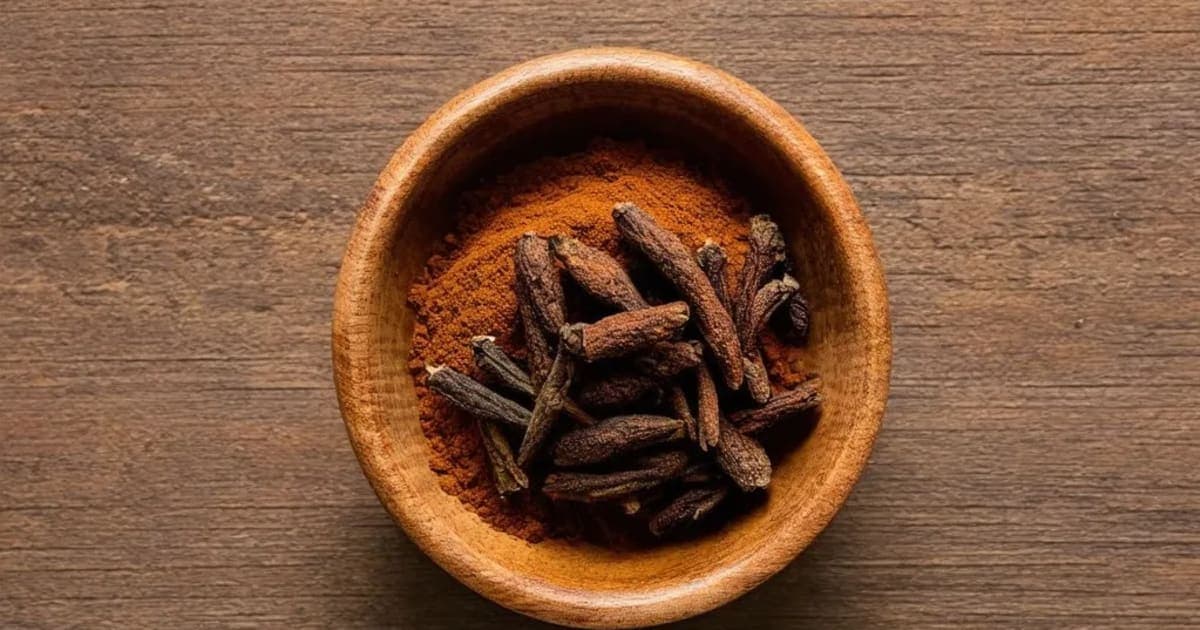
Lavanga: Natural Toothache Relief & Digestive Aid
Expert Reviewed
Reviewed by AyurvedicUpchar Editorial Team
What is Lavanga and why is it used for toothaches?
Lavanga, known globally as clove, is a pungent and bitter spice herb revered in Ayurveda for instantly numbing tooth pain and igniting sluggish digestion. When you bite into a dried clove bud, the sharp, warming sensation that follows is the work of eugenol, a compound that acts as a natural anesthetic and antiseptic. This specific action makes Lavanga a household remedy for dental distress, but its utility extends far beyond the mouth.
Ancient physicians recognized this dual power early; the Charaka Samhita (Sutra Sthana) lists Lavanga among the essential drugs for clearing toxins and stabilizing the mind. Unlike generic painkillers, Lavanga works by penetrating deep into the tissue channels (srotas) to remove stagnation. You might know it as the brown, nail-shaped bud in your spice jar, but in the hands of a practitioner, it is a precise tool for balancing Vata and Kapha energies.
What are the Ayurvedic properties of Lavanga?
The Ayurvedic profile of Lavanga defines exactly how it interacts with your physiology, characterized by a cooling potency despite its spicy taste. This seeming contradiction—a hot-tasting herb with a cooling post-digestive effect—is what allows it to soothe inflammation while stimulating metabolism. Understanding these specific traits helps you decide if this herb suits your current health needs.
| Property (Sanskrit) | Value | What it means for your body |
|---|---|---|
| Rasa (Taste) | Katu (Pungent), Tikta (Bitter) | Clears blocked channels, reduces excess mucus, and purifies the blood. |
| Guna (Quality) | Laghu (Light), Tikshna (Sharp) | Penetrates tissues quickly and breaks down heavy toxins or ama. |
| Vipaka (Post-digestive) | Katu (Pungent) | Leaves a lingering heating effect that continues to stimulate digestion after eating. |
| Virya (Potency) | Sheeta (Cooling) | Calms acute inflammation and soothes irritated mucous membranes. |
Notice how the Tikshna (sharp) quality allows Lavanga to cut through thick kapha mucus, while its Sheeta (cooling) virya prevents the spice from aggravating sensitive tissues immediately. This balance is rare. Most pungent herbs like black pepper are heating throughout, but Lavanga's unique cooling potency makes it safe for certain inflammatory conditions where other spices would cause burning.
Which doshas does Lavanga balance?
Lavanga primarily pacifies Vata and Kapha doshas, making it ideal for conditions involving cold, stagnation, or erratic movement in the body. If you suffer from joint stiffness that worsens in cold weather or a chest full of heavy, white mucus, this herb helps restore warmth and flow. Its light and dry qualities directly counteract the heavy, wet nature of Kapha and the cold, mobile nature of Vata.
However, individuals with high Pitta must use Lavanga with caution. Because the post-digestive effect (Vipaka) is pungent, overuse can generate internal heat, leading to acid reflux, skin rashes, or irritability. A grandmother's trick to mitigate this is to always combine Lavanga with a cooling carrier like ghee or milk if you have a sensitive stomach. While it calms Vata anxiety by grounding the mind, taking too much can ironically make a Pitta-dominant person feel frantic or overheated.
How do people actually use Lavanga at home?
For immediate toothache relief, chew a single dried clove bud near the painful tooth until the oil releases, then hold it there for a few minutes. For digestive sluggishness, simmer two buds in a cup of milk with a pinch of cardamom and drink it warm after a heavy meal. These methods leverage the herb's volatile oils directly where they are needed most, rather than swallowing them in a capsule where they might lose potency.
Frequently Asked Questions
Is clove powder as effective as whole cloves for toothache?
Whole cloves are generally superior for toothaches because they retain their volatile essential oils longer than pre-ground powder. When you crush a whole bud fresh, you release maximum eugenol right at the site of pain, whereas old powder may have lost its aromatic potency.
Can I take Lavanga daily for digestion?
Yes, but only in small culinary amounts like one or two buds in tea or food; high medicinal doses should not be taken daily without guidance. Continuous high doses can aggravate Pitta and irritate the stomach lining over time.
Does Lavanga help with bad breath?
Absolutely, as its strong aromatic oils kill the bacteria responsible for foul odor while leaving a fresh, spicy scent. Chewing a clove after meals is a traditional and effective way to neutralize bad breath naturally.
Frequently Asked Questions
What is Lavanga used for in Ayurveda?
Lavanga is primarily used as a Appetite Stimulant and Pain Reliever in Ayurvedic medicine. Clove is a powerful aromatic herb that acts as a pain reliever, especially for toothaches, and stimulates digestion. It pacifies Vata, Kapha dosha.
How should I take Lavanga?
Lavanga can be taken as powder (1/2-1 tsp with warm water or milk), decoction (boil 1 tsp in water), or tablets (1-2 daily). Always start with a low dose and consult an Ayurvedic practitioner for personalized guidance.
Is Lavanga safe during pregnancy?
Pregnant and nursing women should not take Lavanga without consulting their doctor first. Most Ayurvedic herbs require medical supervision during pregnancy.
Which dosha does Lavanga balance?
Lavanga pacifies Vata, Kapha. Excessive use may increase Pitta dosha.
Can I take Lavanga daily?
Lavanga can be taken daily in recommended doses for 4-8 weeks. After that, take a 2-week break before resuming. Long-term use should be supervised by a qualified Ayurvedic practitioner.
What are the side effects of Lavanga?
When taken in recommended doses, Lavanga is generally safe. Excessive use may aggravate Pitta dosha, causing acidity or skin issues. Stop use if you experience any adverse reaction.
Related Articles
The Timeless Benefits of Triphala: An Ayurvedic Powerhouse
Discover the transformative benefits of Triphala, an ancient Ayurvedic blend of three fruits that supports digestion, immunity, weight management, and overall vitality.
5 min read
The Divine Benefits of Tulsi (Holy Basil) in Ayurveda
Discover the sacred benefits of Tulsi (Holy Basil) in Ayurveda. From boosting immunity and reducing stress to supporting heart health and digestion, learn how this divine herb can transform your well-being.
4 min read
The Remarkable Benefits of Giloy: An Ayurvedic Powerhouse
Discover the profound health benefits of Giloy, the Ayurvedic 'root of immortality.' Learn how this powerful herb boosts immunity, manages diabetes, improves digestion, and supports skin, hair, and bone health.
5 min read
The Remarkable Benefits of Ashwagandha: An Ayurvedic Perspective
Discover the ancient wisdom of Ashwagandha, a powerful Ayurvedic adaptogen known for reducing stress, boosting immunity, improving sleep, and enhancing physical strength.
4 min read
Brihatyadi Kashayam: Natural Relief for Urinary Tract Disorders and Cystitis
Brihatyadi Kashayam is a cooling Ayurvedic decoction that targets urinary burning and cystitis by balancing Vata and Pitta. Unlike standard teas, this concentrated liquid extract is specifically designed to reduce inflammation in the bladder lining while flushing out toxins.
5 min read
Asphota: Ayurvedic Brain Tonic, Calming Herb & Blood Purifier
Often overlooked, Asphota is a cooling, bitter herb that acts as a gentle brain tonic and blood purifier. While it shares traits with the popular Aparajita, its unique astringent quality makes it particularly effective for stopping bleeding and soothing inflamed tissues.
6 min read
References & Sources
This article is based on principles from classical Ayurvedic texts including Charaka Samhita, Sushruta Samhita, and Ashtanga Hridaya. Content has been reviewed for accuracy by our editorial team. For specific medical conditions, always consult a qualified Ayurvedic practitioner or healthcare provider.
- • Charaka Samhita (चरक संहिता)
- • Sushruta Samhita (सुश्रुत संहिता)
- • Ashtanga Hridaya (अष्टांग हृदय)
Found an error in this article? Let us know