
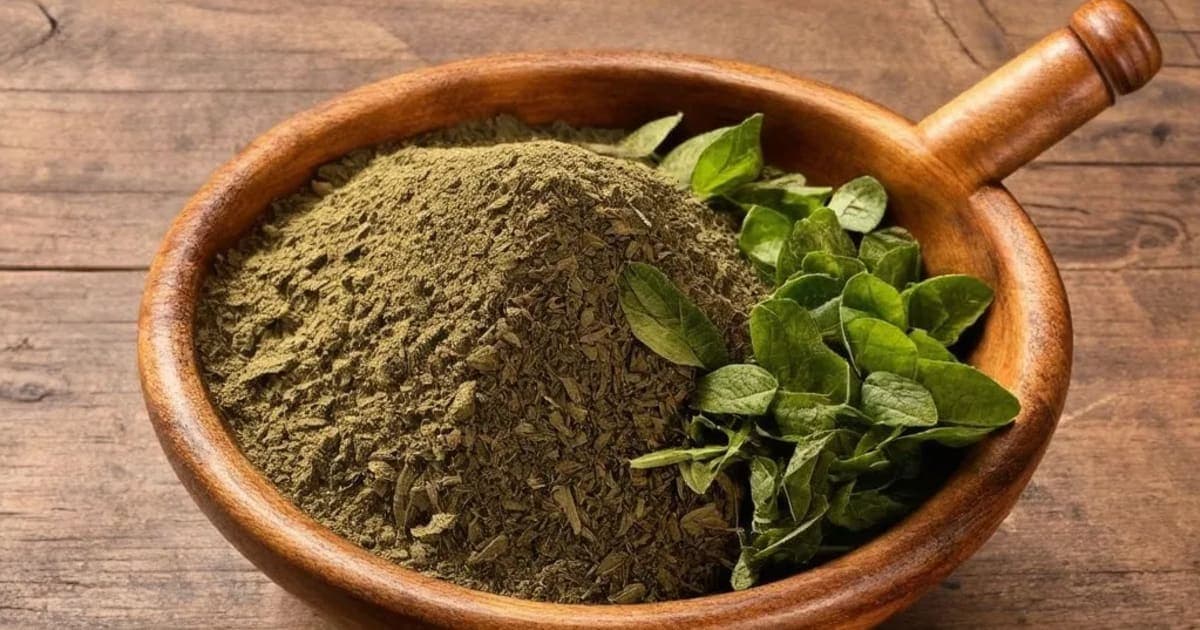
Lasuna Ksheerapaka: Benefits for Joint Pain, Sciatica & Vata Balance
Expert Reviewed
Reviewed by AyurvedicUpchar Editorial Team
What is Lasuna Ksheerapaka and how is it prepared?
Lasuna Ksheerapaka is a traditional Ayurvedic decoction made by simmering fresh garlic cloves in milk until the liquid reduces, creating a warming remedy specifically used to treat Vata disorders like sciatica, chronic joint pain, and bloating. Unlike raw garlic, which can be harsh on the stomach, this preparation softens the garlic's pungency while retaining its ability to penetrate deep tissues.
The process transforms the herb into a nourishing tonic. You take fresh garlic cloves, crush them slightly, and boil them in a cup of milk over low heat. As the milk reduces to about one-third of its original volume, the mixture turns a creamy, pale yellow. The resulting drink smells earthy and warm, tasting of sweet milk with a gentle, lingering spice rather than the sharp bite of raw garlic. In the Charaka Samhita, this specific preparation is highlighted for its ability to reach the bone tissues (Asthi Dhatu) and clear blockages in the channels (Srotas).
"Lasuna Ksheerapaka is unique because the milk acts as a carrier (Anupana), neutralizing garlic's heating aggression while allowing its deep-penetrating properties to reach the joints and nervous system." This specific synergy is why it remains a household remedy in India for decades, often prepared by grandmothers for elders suffering from stiffness.
How do the Ayurvedic properties of Lasuna Ksheerapaka affect the body?
The therapeutic power of Lasuna Ksheerapaka comes from its specific combination of taste, potency, and post-digestive effect, which together stimulate digestion, clear congestion, and nourish tissues without causing excessive dryness. These five fundamental properties determine exactly how the herb interacts with your physiology and which doshas it balances.
| Property (Sanskrit) | Value | What it means for your body |
|---|---|---|
| Rasa (Taste) | Katu (Pungent), Madhura (Sweet) | The pungent taste clears blockages and reduces Kapha, while the sweet taste from the milk nourishes tissues and calms the mind. |
| Guna (Quality) | Snigdha (Unctuous/Oily) | The oily quality ensures the herb spreads easily through the body, lubricating dry joints and soothing the nervous system. |
| Virya (Potency) | Ushna (Heating) | Its heating energy ignites digestive fire (Agni), improves circulation, and melts away cold, stagnant pain in the muscles. |
| Vipaka (Post-digestive effect) | Madhura (Sweet) | After digestion, the effect becomes sweet and grounding, promoting tissue building and long-term stability rather than depletion. |
| Prabhava (Special Action) | Vatahara (Vata-pacifying) | It possesses a unique, unexplainable ability to specifically target Vata disorders in the nervous system and bones. |
Which doshas does Lasuna Ksheerapaka balance and aggravate?
Lasuna Ksheerapaka primarily balances Vata and Kapha doshas, making it an excellent choice for conditions involving cold, dryness, stagnation, or excess mucus, but it requires caution for those with high Pitta due to its heating nature. The combination of garlic's pungency and milk's cooling properties creates a delicate balance that targets Vata's dryness and Kapha's heaviness simultaneously.
When Vata is imbalanced, you might feel anxiety, experience cracking joints, or suffer from constipation; this preparation soothes those symptoms by adding warmth and moisture. Similarly, for Kapha issues like heavy congestion or sluggish digestion, the pungent aspect of the garlic helps clear the channels. However, because the base ingredient is garlic, people with a Pitta constitution or active inflammation should use it sparingly. Excessive intake can lead to heartburn, skin rashes, or a feeling of internal burning, so it is best taken in small doses or discontinued if you feel too much heat.
How to use Lasuna Ksheerapaka for sciatica and joint pain
For sciatica and lower back pain, drink one cup of warm Lasuna Ksheerapaka on an empty stomach in the morning or before bed to maximize its absorption and pain-relieving effects. The milk acts as a vehicle to carry the garlic compounds directly to the deep tissues where the pain originates.
Practical usage often involves adding a pinch of black pepper to enhance absorption, though the milk itself provides enough unctuousness to prevent irritation. If you find the taste too strong, you can stir in a teaspoon of honey after the mixture cools slightly. This remedy is particularly effective when taken consistently for two to three weeks during the winter months or during the Vata season (late autumn and early winter) when joint pain tends to flare up.
Frequently Asked Questions about Lasuna Ksheerapaka
Can Lasuna Ksheerapaka cure sciatica permanently?
While it is a highly effective palliative treatment that significantly reduces pain and inflammation in sciatica by lubricating the nerve channels, it works best as part of a broader treatment plan including diet and lifestyle changes. Ayurvedic texts suggest it manages symptoms effectively but may not address the root cause if lifestyle factors like poor posture remain uncorrected.
Is Lasuna Ksheerapaka safe for children?
Yes, it is generally safe for children when the dosage is adjusted to their age and body weight, typically starting with a teaspoon rather than a full cup. However, parents should consult an Ayurvedic practitioner first, especially if the child has a sensitive stomach or a Pitta-dominant constitution prone to rashes.
What is the best time to take Lasuna Ksheerapaka?
The most effective time to take this remedy is on an empty stomach, either in the early morning or just before bedtime, to allow maximum absorption without interference from other foods. Taking it at night is particularly beneficial for joint pain as the warmth helps relax muscles during sleep.
Does Lasuna Ksheerapaka cause bad breath?
Yes, because it contains garlic, it can cause temporary bad breath, but the milk base significantly reduces the intensity compared to eating raw cloves. Chewing on fresh fennel seeds or cardamom pods after consumption is a traditional way to neutralize the odor immediately.
Disclaimer: This information is for educational purposes only and does not constitute medical advice. Ayurvedic treatments should be personalized by a qualified practitioner. Consult your healthcare provider before starting any new herbal regimen, especially if you are pregnant, nursing, or taking medication.
Frequently Asked Questions
What is Lasuna Ksheerapaka used for in Ayurveda?
Lasuna Ksheerapaka is primarily used as a Vatahara and Pain Reliever in Ayurvedic medicine. Garlic milk is a specific preparation for Vata disorders like sciatica, joint pain, and bloating. It pacifies Vata, Kapha dosha.
How should I take Lasuna Ksheerapaka?
Lasuna Ksheerapaka can be taken as powder (1/2-1 tsp with warm water or milk), decoction (boil 1 tsp in water), or tablets (1-2 daily). Always start with a low dose and consult an Ayurvedic practitioner for personalized guidance.
Is Lasuna Ksheerapaka safe during pregnancy?
Pregnant and nursing women should not take Lasuna Ksheerapaka without consulting their doctor first. Most Ayurvedic herbs require medical supervision during pregnancy.
Which dosha does Lasuna Ksheerapaka balance?
Lasuna Ksheerapaka pacifies Vata, Kapha. Excessive use may increase Pitta dosha.
Can I take Lasuna Ksheerapaka daily?
Lasuna Ksheerapaka can be taken daily in recommended doses for 4-8 weeks. After that, take a 2-week break before resuming. Long-term use should be supervised by a qualified Ayurvedic practitioner.
What are the side effects of Lasuna Ksheerapaka?
When taken in recommended doses, Lasuna Ksheerapaka is generally safe. Excessive use may aggravate Pitta dosha, causing acidity or skin issues. Stop use if you experience any adverse reaction.
Related Articles
The Timeless Benefits of Triphala: An Ayurvedic Powerhouse
Discover the transformative benefits of Triphala, an ancient Ayurvedic blend of three fruits that supports digestion, immunity, weight management, and overall vitality.
5 min read
The Divine Benefits of Tulsi (Holy Basil) in Ayurveda
Discover the sacred benefits of Tulsi (Holy Basil) in Ayurveda. From boosting immunity and reducing stress to supporting heart health and digestion, learn how this divine herb can transform your well-being.
4 min read
The Remarkable Benefits of Giloy: An Ayurvedic Powerhouse
Discover the profound health benefits of Giloy, the Ayurvedic 'root of immortality.' Learn how this powerful herb boosts immunity, manages diabetes, improves digestion, and supports skin, hair, and bone health.
5 min read
The Remarkable Benefits of Ashwagandha: An Ayurvedic Perspective
Discover the ancient wisdom of Ashwagandha, a powerful Ayurvedic adaptogen known for reducing stress, boosting immunity, improving sleep, and enhancing physical strength.
4 min read
Brihatyadi Kashayam: Natural Relief for Urinary Tract Disorders and Cystitis
Brihatyadi Kashayam is a cooling Ayurvedic decoction that targets urinary burning and cystitis by balancing Vata and Pitta. Unlike standard teas, this concentrated liquid extract is specifically designed to reduce inflammation in the bladder lining while flushing out toxins.
5 min read
Asphota: Ayurvedic Brain Tonic, Calming Herb & Blood Purifier
Often overlooked, Asphota is a cooling, bitter herb that acts as a gentle brain tonic and blood purifier. While it shares traits with the popular Aparajita, its unique astringent quality makes it particularly effective for stopping bleeding and soothing inflamed tissues.
6 min read
References & Sources
This article is based on principles from classical Ayurvedic texts including Charaka Samhita, Sushruta Samhita, and Ashtanga Hridaya. Content has been reviewed for accuracy by our editorial team. For specific medical conditions, always consult a qualified Ayurvedic practitioner or healthcare provider.
- • Charaka Samhita (चरक संहिता)
- • Sushruta Samhita (सुश्रुत संहिता)
- • Ashtanga Hridaya (अष्टांग हृदय)
Found an error in this article? Let us know