
Lasuna: Heart Health, Digestion & Ayurvedic Benefits
Expert Reviewed
Reviewed by AyurvedicUpchar Editorial Team
What is Lasuna and why do Ayurvedic doctors trust it?
Lasuna, known globally as garlic, is a pungent, heating herb used in Ayurveda for centuries to clear arterial blockages, ignite digestive fire, and fight deep-seated infections. Unlike modern supplements that isolate compounds, classical Ayurveda uses the whole bulb of Allium sativum to balance Vata and Kapha doshas while carefully monitoring Pitta. The Charaka Samhita, specifically in the Sutra Sthana, lists Lasuna among the most potent Mahausadhis (great medicines) for restoring vitality and longevity.
You likely know garlic for its sharp bite and lingering aroma, but in the Ayurvedic kitchen, it serves a deeper purpose. When you crush a fresh clove, you release allicin, which creates that signature heat. This isn't just flavor; it is the physical manifestation of its Ushna Virya (heating potency) ready to penetrate tissues. Grandmothers in Kerala and Punjab have long simmered crushed Lasuna in ghee or milk to soothe wheezing lungs or ease stiff, arthritic joints, knowing instinctively that this common bulb holds rare power.
How is Lasuna classified in Ayurvedic pharmacology?
Ayurvedic classification defines Lasuna as having a pungent taste (Katu Rasa), light and sharp qualities (Laghu, Tikshna Guna), and a heating potency that transforms into a pungent post-digestive effect. These specific properties allow it to scrape away Ama (toxins) from the gut lining and circulate rapidly through the blood vessels. Understanding this profile explains why a single clove can warm cold hands, clear a congested chest, or conversely, trigger heartburn in someone with high acidity.
| Property (Sanskrit) | Value | What it means for your body |
|---|---|---|
| Rasa (Taste) | Katu (Pungent) | Stimulates metabolism, clears channels, reduces Kapha |
| Guna (Physical quality) | Laghu, Tikshna | Light, Sharp/Penetrating — determines absorption speed and tissue penetration |
| Virya (Potency) | Ushna | Hot (Heating) — stimulates metabolism, improves circulation, and enhances digestive fire (Agni) |
| Vipaka (Post-digestive effect) | Katu | Pungent — the long-term effect on body tissues after Lasuna is fully digested and metabolized |
Which doshas does Lasuna balance or aggravate?
Lasuna primarily pacifies Vata and Kapha doshas due to its heating and drying nature, making it ideal for cold, sluggish, or erratic conditions. However, because it is so hot and sharp, it can easily aggravate Pitta dosha if taken in excess or by those already prone to heat, anger, or inflammation. Think of it as a internal furnace: it warms up a cold room (Vata/Kapha imbalance) but can overheat a room that is already warm (Pitta imbalance).
If you suffer from joint stiffness that worsens in cold weather, frequent bloating, or a feeling of heaviness after meals, your Vata or Kapha likely needs this herb's stimulating push. Conversely, if you often experience acid reflux, skin rashes, or irritability, you must use Lasuna sparingly. A practical tip is to always combine it with cooling carriers like ghee or coriander water if you have a sensitive constitution, which helps temper its sharpness while retaining its benefits.
What are the specific health benefits of Lasuna?
The primary therapeutic actions of Lasuna include strengthening the heart, improving digestion by kindling Agni, and acting as a broad-spectrum antimicrobial agent. Modern research often cites its ability to lower cholesterol, but Ayurveda views this through the lens of clearing Meda Dhatu (fat tissue) channels. By keeping the Srotas (channels) free of sticky Kapha, Lasuna ensures that nutrients reach the tissues and waste products are efficiently removed.
In practice, people use Lasuna in various forms depending on the ailment. For respiratory congestion, a classic remedy involves frying two crushed cloves in a teaspoon of ghee until golden and eating it warm with rice. For general heart health and cholesterol management, many practitioners recommend Lasuna Kshara (garlic ash) or aged garlic extracts, which are gentler on the stomach than raw cloves. The key is consistency; unlike a fast-acting painkiller, Lasuna works best when integrated into daily cooking or taken as a regulated supplement over weeks.
Frequently Asked Questions
Can I eat raw garlic every day for heart health?
Yes, many people consume one small raw clove daily with warm water or honey to support heart health, provided they do not have high Pitta or acidity issues. Start with half a clove to test your tolerance, as raw Lasuna is very potent and heating.
Does Lasuna help with high cholesterol?
Ayurveda considers Lasuna a primary herb for managing high cholesterol by reducing Kapha and clearing fat from the blood channels. Regular use helps prevent the buildup of plaque in the arteries, supporting overall cardiovascular function.
Who should avoid taking Lasuna?
Individuals with high Pitta dosha, active bleeding disorders, severe acid reflux, or those preparing for surgery should avoid or strictly limit Lasuna. Its heating and blood-thinning properties can exacerbate these conditions if not monitored by a practitioner.
Frequently Asked Questions
What is Lasuna used for in Ayurveda?
Lasuna is primarily used as a Heart Tonic and Shothahara in Ayurvedic medicine. Garlic used for cardiac care, digestion, and immunity. It pacifies Vata, Kapha dosha.
How should I take Lasuna?
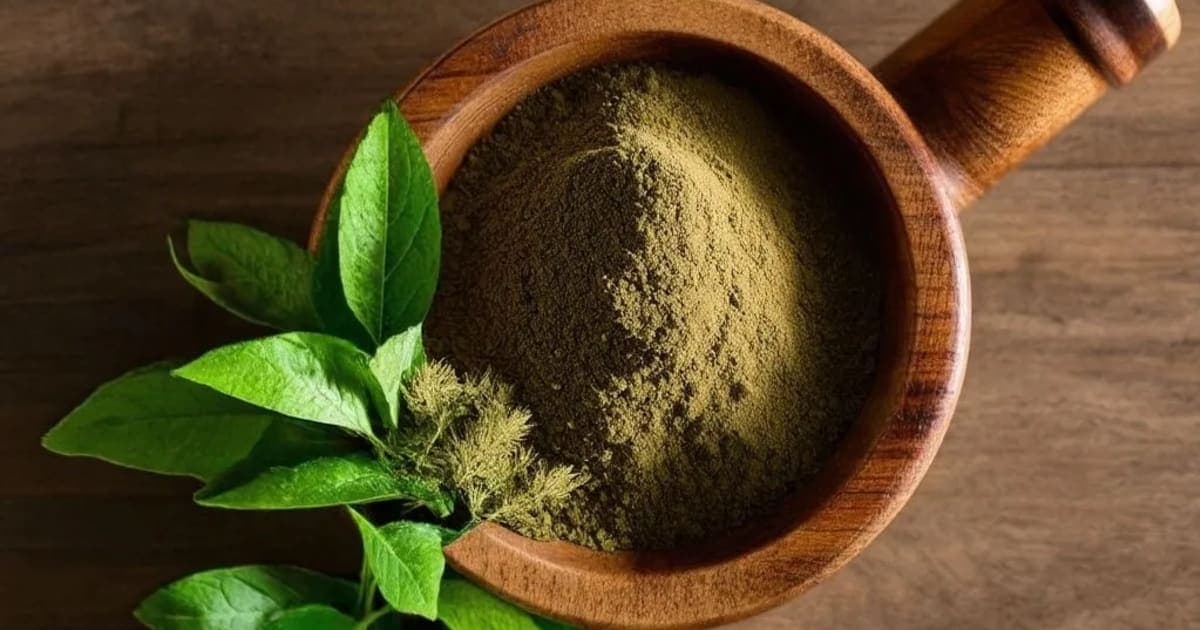
Lasuna can be taken as powder (1/2-1 tsp with warm water or milk), decoction (boil 1 tsp in water), or tablets (1-2 daily). Always start with a low dose and consult an Ayurvedic practitioner for personalized guidance.
Is Lasuna safe during pregnancy?
Pregnant and nursing women should not take Lasuna without consulting their doctor first. Most Ayurvedic herbs require medical supervision during pregnancy.
Which dosha does Lasuna balance?
Lasuna pacifies Vata, Kapha. Excessive use may increase Pitta dosha.
Can I take Lasuna daily?
Lasuna can be taken daily in recommended doses for 4-8 weeks. After that, take a 2-week break before resuming. Long-term use should be supervised by a qualified Ayurvedic practitioner.
What are the side effects of Lasuna?
When taken in recommended doses, Lasuna is generally safe. Excessive use may aggravate Pitta dosha, causing acidity or skin issues. Stop use if you experience any adverse reaction.
Related Articles
The Timeless Benefits of Triphala: An Ayurvedic Powerhouse
Discover the transformative benefits of Triphala, an ancient Ayurvedic blend of three fruits that supports digestion, immunity, weight management, and overall vitality.
5 min read
The Divine Benefits of Tulsi (Holy Basil) in Ayurveda
Discover the sacred benefits of Tulsi (Holy Basil) in Ayurveda. From boosting immunity and reducing stress to supporting heart health and digestion, learn how this divine herb can transform your well-being.
4 min read
The Remarkable Benefits of Giloy: An Ayurvedic Powerhouse
Discover the profound health benefits of Giloy, the Ayurvedic 'root of immortality.' Learn how this powerful herb boosts immunity, manages diabetes, improves digestion, and supports skin, hair, and bone health.
5 min read
The Remarkable Benefits of Ashwagandha: An Ayurvedic Perspective
Discover the ancient wisdom of Ashwagandha, a powerful Ayurvedic adaptogen known for reducing stress, boosting immunity, improving sleep, and enhancing physical strength.
4 min read
Brihatyadi Kashayam: Natural Relief for Urinary Tract Disorders and Cystitis
Brihatyadi Kashayam is a cooling Ayurvedic decoction that targets urinary burning and cystitis by balancing Vata and Pitta. Unlike standard teas, this concentrated liquid extract is specifically designed to reduce inflammation in the bladder lining while flushing out toxins.
5 min read
Asphota: Ayurvedic Brain Tonic, Calming Herb & Blood Purifier
Often overlooked, Asphota is a cooling, bitter herb that acts as a gentle brain tonic and blood purifier. While it shares traits with the popular Aparajita, its unique astringent quality makes it particularly effective for stopping bleeding and soothing inflamed tissues.
6 min read
References & Sources
This article is based on principles from classical Ayurvedic texts including Charaka Samhita, Sushruta Samhita, and Ashtanga Hridaya. Content has been reviewed for accuracy by our editorial team. For specific medical conditions, always consult a qualified Ayurvedic practitioner or healthcare provider.
- • Charaka Samhita (चरक संहिता)
- • Sushruta Samhita (सुश्रुत संहिता)
- • Ashtanga Hridaya (अष्टांग हृदय)
Found an error in this article? Let us know