
Kusumbha Taila: Benefits for Vata-Kapha Balance, Heart Health & Joint Pain
Expert Reviewed
Reviewed by AyurvedicUpchar Editorial Team
What is Kusumbha Taila and why is it unique?
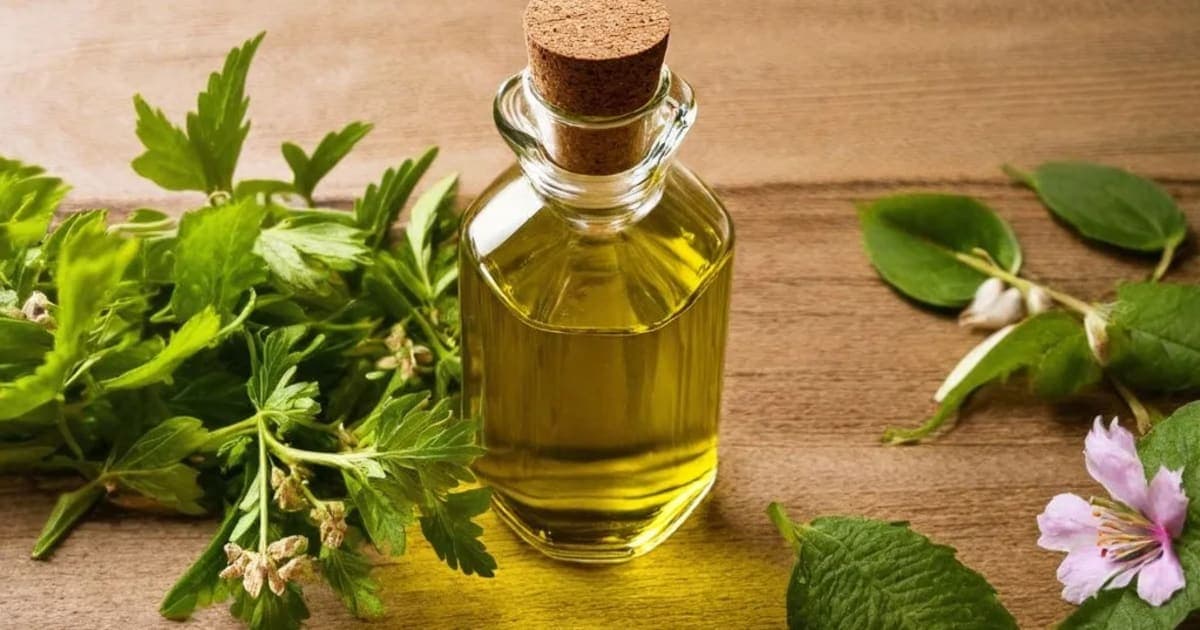
Kusumbha Taila is a warming, penetrating oil derived from safflower seeds, traditionally used in Ayurveda to clear blocked channels and balance Vata and Kapha doshas. Unlike most oils that cool the body, this herb is Ushna Virya (hot in potency), making it a specific remedy for cold, dry, or heavy conditions.
In the classical text Charaka Samhita, Kusumbha Taila is described as a potent agent for Shothahara (reducing swelling) and Vatahara (calming Vata). It is often applied externally in Abhyanga (oil massage) for stiff joints or taken internally in small doses to stimulate digestion and relieve constipation. The oil has a distinct, slightly nutty aroma and a thin, penetrating consistency that allows it to reach deep into the tissues.
Kusumbha Taila is a heating oil that stimulates metabolic fire (Agni) while simultaneously nourishing tissues, making it a rare dual-action remedy for both dryness and stagnation.
When you use this oil, you are not just lubricating the skin; you are actively kindling the digestive fire and clearing the subtle channels (Srotas) that transport nutrients and waste. This is why it is so effective for conditions where coldness and stagnation have taken hold, such as in chronic arthritis or sluggish digestion.
How do the Ayurvedic properties of Kusumbha Taila work?
The therapeutic effects of Kusumbha Taila come from its specific combination of taste, potency, and post-digestive effect, which together create a warming, penetrating action. These properties determine exactly how the oil interacts with your tissues and doshas.
| Property (Sanskrit) | Value | What it means for your body |
|---|---|---|
| Rasa (Taste) | Katu, Madhura | Pungent taste clears blockages and reduces Kapha; Sweet taste nourishes tissues and calms the mind. |
| Guna (Quality) | Tikshna, Snigdha | Sharp and penetrating for deep tissue access, yet unctuous to prevent dryness. |
| Virya (Potency) | Ushna | Heating energy that boosts metabolism, improves circulation, and melts Kapha congestion. |
| Vipaka (Post-digestive effect) | Katu | Continues to stimulate digestion and clear channels even after the oil is fully metabolized. |
| Prabhava (Special effect) | Cardio-tonic | Specifically supports heart function and circulation beyond what its taste and potency predict. |
Notice the unique balance here: the oil is Snigdha (oily) enough to soothe dry skin, yet Tikshna (sharp) enough to penetrate deep into stiff joints. This duality is rare and explains why it is a favorite for treating conditions like frozen shoulder or chronic constipation where both lubrication and stimulation are needed.
Which doshas does Kusumbha Taila balance and aggravate?
Kusumbha Taila primarily pacifies Vata and Kapha doshas by warming the body, lubricating dry tissues, and breaking up stagnant mucus. It is an excellent choice for individuals who feel cold, experience joint stiffness, or suffer from sluggish digestion and heavy, lethargic feelings.
However, because of its heating nature, it can aggravate Pitta if used in excess. People with a dominant Pitta constitution, or those currently experiencing inflammation, acidity, skin rashes, or excessive body heat, should avoid this oil or use it only under the strict guidance of an Ayurvedic practitioner. The Bhavaprakash Nighantu warns that overuse of heating oils in Pitta-dominant seasons (summer) can lead to bleeding disorders or skin eruptions.
How to recognize if you need Kusumbha Taila
You likely need Kusumbha Taila if you experience a constant feeling of coldness in your hands and feet, dry and cracked skin that doesn't improve with moisturizers, or joints that feel stiff and crackle with movement. Other signs include a tendency toward anxiety, racing thoughts, and constipation that feels like dry, hard stool. If you wake up with a heavy chest or a coated tongue, indicating Kapha stagnation, this oil can help clear the blockage.
In traditional practice, a grandmother might warm a small amount of Kusumbha Taila with a pinch of ginger powder and massage it into the soles of the feet before bed to calm Vata-induced insomnia. For joint pain, the oil is often heated with Eranda Taila (castor oil) and applied to the affected area to melt away stiffness.
Is Kusumbha Taila safe for everyone?
Kusumbha Taila is generally safe for Vata and Kapha types when used in moderation, but it is not suitable for everyone due to its heating potency. It should be avoided during acute fevers, severe inflammation, or active skin infections where heat would worsen the condition.
Pregnant women should exercise extreme caution and only use this oil under professional supervision, as its heating and penetrating properties can stimulate uterine activity. If you have a history of bleeding disorders or high blood pressure driven by Pitta, this oil may pose a risk. Always start with a small patch test on the inner arm to check for skin sensitivity before applying it broadly.
Frequently Asked Questions about Kusumbha Taila
What are the main benefits of Kusumbha Taila for heart health?
Kusumbha Taila supports heart health by improving circulation and reducing the stagnation of fats in the blood vessels. Ayurvedic texts classify it as a Hridaya (heart tonic) that helps maintain healthy cholesterol levels and prevents blockages in the cardiovascular channels.
How is Kusumbha Taila different from regular cooking safflower oil?
While both come from the same seed, medicinal Kusumbha Taila is often processed (Sanskrit: Siddha) with specific herbs like ginger or turmeric to enhance its heating and penetrating properties. This processing makes it more potent for therapeutic use compared to the refined oil found in grocery stores.
Can I take Kusumbha Taila internally for constipation?
Yes, a small dose (1-2 teaspoons) of warm Kusumbha Taila taken at bedtime can act as a gentle laxative for Vata-type constipation. It lubricates the colon and stimulates peristalsis due to its Katu (pungent) post-digestive effect, but it should be avoided if you have diarrhea or Pitta imbalance.
Does Kusumbha Taila help with arthritis pain?
It is highly effective for Vata-type arthritis characterized by dry, cracking joints and cold, stiff pain. The oil's Ushna (hot) potency penetrates deep into the joints to dissolve toxins and improve mobility, often providing relief faster than neutral oils.
Who should avoid using Kusumbha Taila?
Individuals with high Pitta, active inflammation, bleeding disorders, or severe skin rashes should avoid Kusumbha Taila. Its heating nature can worsen these conditions by increasing body heat and irritating sensitive tissues.
Disclaimer: This information is for educational purposes only and does not constitute medical advice. Ayurvedic treatments should be personalized by a qualified practitioner based on your unique constitution (Prakriti) and current imbalances (Vikriti).
Frequently Asked Questions
What is Kusumbha Taila used for in Ayurveda?
Kusumbha Taila is primarily used as a Purgative and Heart Tonic in Ayurvedic medicine. Safflower oil is a heating oil used for its laxative properties and in managing heart conditions. It pacifies Vata, Kapha dosha.
How should I take Kusumbha Taila?
Kusumbha Taila can be taken as powder (1/2-1 tsp with warm water or milk), decoction (boil 1 tsp in water), or tablets (1-2 daily). Always start with a low dose and consult an Ayurvedic practitioner for personalized guidance.
Is Kusumbha Taila safe during pregnancy?
Pregnant and nursing women should not take Kusumbha Taila without consulting their doctor first. Most Ayurvedic herbs require medical supervision during pregnancy.
Which dosha does Kusumbha Taila balance?
Kusumbha Taila pacifies Vata, Kapha. Excessive use may increase Pitta dosha.
Can I take Kusumbha Taila daily?
Kusumbha Taila can be taken daily in recommended doses for 4-8 weeks. After that, take a 2-week break before resuming. Long-term use should be supervised by a qualified Ayurvedic practitioner.
What are the side effects of Kusumbha Taila?
When taken in recommended doses, Kusumbha Taila is generally safe. Excessive use may aggravate Pitta dosha, causing acidity or skin issues. Stop use if you experience any adverse reaction.
Related Articles
The Timeless Benefits of Triphala: An Ayurvedic Powerhouse
Discover the transformative benefits of Triphala, an ancient Ayurvedic blend of three fruits that supports digestion, immunity, weight management, and overall vitality.
5 min read
The Divine Benefits of Tulsi (Holy Basil) in Ayurveda
Discover the sacred benefits of Tulsi (Holy Basil) in Ayurveda. From boosting immunity and reducing stress to supporting heart health and digestion, learn how this divine herb can transform your well-being.
4 min read
The Remarkable Benefits of Giloy: An Ayurvedic Powerhouse
Discover the profound health benefits of Giloy, the Ayurvedic 'root of immortality.' Learn how this powerful herb boosts immunity, manages diabetes, improves digestion, and supports skin, hair, and bone health.
5 min read
The Remarkable Benefits of Ashwagandha: An Ayurvedic Perspective
Discover the ancient wisdom of Ashwagandha, a powerful Ayurvedic adaptogen known for reducing stress, boosting immunity, improving sleep, and enhancing physical strength.
4 min read
Brihatyadi Kashayam: Natural Relief for Urinary Tract Disorders and Cystitis
Brihatyadi Kashayam is a cooling Ayurvedic decoction that targets urinary burning and cystitis by balancing Vata and Pitta. Unlike standard teas, this concentrated liquid extract is specifically designed to reduce inflammation in the bladder lining while flushing out toxins.
5 min read
Asphota: Ayurvedic Brain Tonic, Calming Herb & Blood Purifier
Often overlooked, Asphota is a cooling, bitter herb that acts as a gentle brain tonic and blood purifier. While it shares traits with the popular Aparajita, its unique astringent quality makes it particularly effective for stopping bleeding and soothing inflamed tissues.
6 min read
References & Sources
This article is based on principles from classical Ayurvedic texts including Charaka Samhita, Sushruta Samhita, and Ashtanga Hridaya. Content has been reviewed for accuracy by our editorial team. For specific medical conditions, always consult a qualified Ayurvedic practitioner or healthcare provider.
- • Charaka Samhita (चरक संहिता)
- • Sushruta Samhita (सुश्रुत संहिता)
- • Ashtanga Hridaya (अष्टांग हृदय)
Found an error in this article? Let us know