
Eranda Taila: Deep Joint Relief, Vata Balance & Ayurvedic Uses
Expert Reviewed
Reviewed by AyurvedicUpchar Editorial Team
What is Eranda Taila and why is it unique?
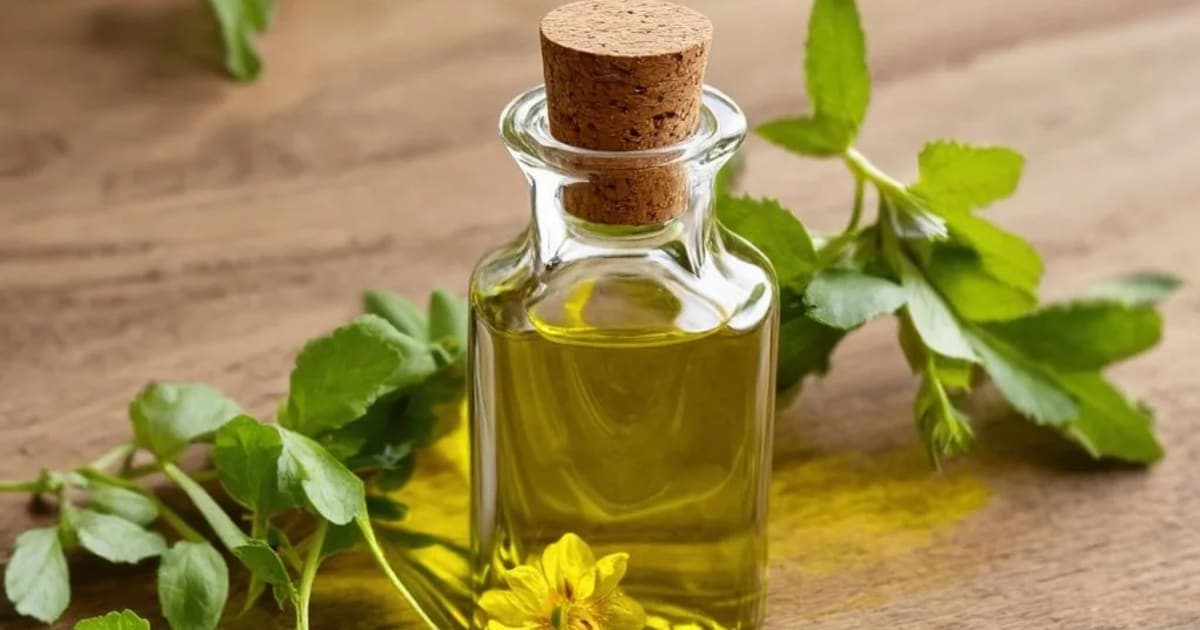
Eranda Taila, commonly known as castor oil, is a thick, golden-yellow oil revered in Ayurveda as the premier remedy for deep-seated Vata disorders and stubborn joint pain. Unlike lighter oils that sit on the skin, this potent substance penetrates deeply into tissues to clear blockages and reduce inflammation. While many know it as a harsh laxative, its true power lies in its ability to warm the body from within and dissolve the cold, dry stagnation that causes arthritis and muscle stiffness.
Classical texts like the Charaka Samhita classify Eranda Taila as a unique Dravya (substance) because it possesses a rare combination of heavy, oily qualities with a heating potency. This allows it to nourish dry nerves while simultaneously burning away toxins (Ama). You will often find grandmothers in India warming this oil and massaging it into swollen knees or applying it as a warm pack over the abdomen to relieve chronic constipation and bloating. The oil has a faint, distinctive earthy smell and a taste that starts sweet but finishes with a sharp, lingering pungency that tingles the throat.
What are the Ayurvedic properties of Eranda Taila?
The Ayurvedic properties of Eranda Taila define exactly how it interacts with your physiology, characterized by a sweet and pungent taste with a heating energy. These specific traits make it heavy and unctuous, allowing it to lubricate dry joints while its heat stimulates digestion and circulation. Understanding this profile explains why it works so well for some people but can cause acidity in others if used incorrectly.
In Dravyaguna Shastra, the science of Ayurvedic pharmacology, every herb is mapped by five fundamental attributes. Eranda Taila stands out because its post-digestive effect remains sweet, meaning it continues to build tissue and calm the mind even after digestion is complete. However, its heating potency (Virya) means it must be used with care during hot summer months or by those who already run hot.
| Property (Sanskrit) | Value | What it means for your body |
|---|---|---|
| Rasa (Taste) | Madhura (Sweet), Katu (Pungent) | Nourishes tissues and calms the mind; stimulates metabolism and clears blocked channels. |
| Guna (Quality) | Guru (Heavy), Snigdha (Oily) | Penetrates deep into bone and nerve tissue; provides intense lubrication for dry joints. |
| Virya (Potency) | Ushna (Heating) | Ignites digestive fire (Agni) and improves circulation; reduces coldness and stiffness. |
| Vipaka (Post-digestive) | Madhura (Sweet) | Leaves a nourishing, grounding effect on the body long after digestion is complete. |
Which doshas does Eranda Taila balance?
Eranda Taila primarily pacifies Vata and Kapha doshas, making it the go-to choice for conditions involving dryness, coldness, or sluggishness. It effectively grounds the erratic movement of Vata and clears the heavy stagnation of Kapha. However, because of its inherent heat, it can aggravate Pitta dosha if used in excess or by individuals with a fiery constitution.
If you suffer from cracking joints, anxiety, insomnia, or a feeling of cold that never seems to go away, your Vata is likely elevated, and this oil can bring significant relief. Conversely, if you tend toward skin rashes, acid reflux, or irritability, your Pitta may be high, and you should use this oil sparingly or mix it with cooling herbs like coriander. A practical tip used in many households is to apply the oil warm, never cold, to maximize its Vata-reducing potential without shocking the system.
How do you know if you need Eranda Taila?
You likely need Eranda Taila if you experience chronic constipation, stiff joints that improve with warmth, or a general sense of dryness in the skin and eyes. These are classic signs that Vata dosha has accumulated, creating friction and resistance in the body's channels. The oil's heavy, penetrating nature smooths out this roughness, restoring flexibility to the limbs and regularity to the bowels.
Many people also benefit from its ability to break down Ama, the sticky toxic residue of poor digestion that coats the gut lining. When Ama accumulates, it leads to fatigue, brain fog, and a coated tongue. By stimulating Agni (digestive fire) and clearing these blockages, Eranda Taila helps reset the entire digestive system, though it should always be taken internally only under the guidance of a qualified practitioner.
Frequently Asked Questions
Is Eranda Taila safe to take internally every day?
No, Eranda Taila is a potent laxative and should not be taken daily without specific medical supervision. While it is excellent for occasional detoxification or treating severe constipation, daily internal use can weaken natural bowel function and aggravate Pitta.
Can I use Eranda Taila for hair growth?
Yes, Eranda Taila is traditionally used to promote hair thickness and reduce premature graying due to its deep-penetrating and nourishing qualities. It is best mixed with lighter oils like coconut or sesame and massaged into the scalp once a week.
What is the best time to apply Eranda Taila for joint pain?
The most effective time to apply Eranda Taila for joint pain is in the evening before bed, allowing it to absorb overnight. Warming the oil slightly before application enhances its ability to penetrate deep into the joint capsule and relieve morning stiffness.
Disclaimer: This content is for educational purposes only and is based on traditional Ayurvedic texts. It is not medical advice. Consult a qualified Ayurvedic practitioner or healthcare provider before starting any new herbal regimen, especially if you are pregnant, nursing, or have a medical condition.
Frequently Asked Questions
What is Eranda Taila used for in Ayurveda?
Eranda Taila is primarily used as a Purgative and Vatahara in Ayurvedic medicine. Castor oil is a strong laxative and is excellent for Vata disorders, joint pain, and detoxification. It pacifies Vata, Kapha dosha.
How should I take Eranda Taila?
Eranda Taila can be taken as powder (1/2-1 tsp with warm water or milk), decoction (boil 1 tsp in water), or tablets (1-2 daily). Always start with a low dose and consult an Ayurvedic practitioner for personalized guidance.
Is Eranda Taila safe during pregnancy?
Pregnant and nursing women should not take Eranda Taila without consulting their doctor first. Most Ayurvedic herbs require medical supervision during pregnancy.
Which dosha does Eranda Taila balance?
Eranda Taila pacifies Vata, Kapha. Excessive use may increase Pitta dosha.
Can I take Eranda Taila daily?
Eranda Taila can be taken daily in recommended doses for 4-8 weeks. After that, take a 2-week break before resuming. Long-term use should be supervised by a qualified Ayurvedic practitioner.
What are the side effects of Eranda Taila?
When taken in recommended doses, Eranda Taila is generally safe. Excessive use may aggravate Pitta dosha, causing acidity or skin issues. Stop use if you experience any adverse reaction.
Related Articles
The Timeless Benefits of Triphala: An Ayurvedic Powerhouse
Discover the transformative benefits of Triphala, an ancient Ayurvedic blend of three fruits that supports digestion, immunity, weight management, and overall vitality.
5 min read
The Divine Benefits of Tulsi (Holy Basil) in Ayurveda
Discover the sacred benefits of Tulsi (Holy Basil) in Ayurveda. From boosting immunity and reducing stress to supporting heart health and digestion, learn how this divine herb can transform your well-being.
4 min read
The Remarkable Benefits of Giloy: An Ayurvedic Powerhouse
Discover the profound health benefits of Giloy, the Ayurvedic 'root of immortality.' Learn how this powerful herb boosts immunity, manages diabetes, improves digestion, and supports skin, hair, and bone health.
5 min read
The Remarkable Benefits of Ashwagandha: An Ayurvedic Perspective
Discover the ancient wisdom of Ashwagandha, a powerful Ayurvedic adaptogen known for reducing stress, boosting immunity, improving sleep, and enhancing physical strength.
4 min read
Brihatyadi Kashayam: Natural Relief for Urinary Tract Disorders and Cystitis
Brihatyadi Kashayam is a cooling Ayurvedic decoction that targets urinary burning and cystitis by balancing Vata and Pitta. Unlike standard teas, this concentrated liquid extract is specifically designed to reduce inflammation in the bladder lining while flushing out toxins.
5 min read
Asphota: Ayurvedic Brain Tonic, Calming Herb & Blood Purifier
Often overlooked, Asphota is a cooling, bitter herb that acts as a gentle brain tonic and blood purifier. While it shares traits with the popular Aparajita, its unique astringent quality makes it particularly effective for stopping bleeding and soothing inflamed tissues.
6 min read
References & Sources
This article is based on principles from classical Ayurvedic texts including Charaka Samhita, Sushruta Samhita, and Ashtanga Hridaya. Content has been reviewed for accuracy by our editorial team. For specific medical conditions, always consult a qualified Ayurvedic practitioner or healthcare provider.
- • Charaka Samhita (चरक संहिता)
- • Sushruta Samhita (सुश्रुत संहिता)
- • Ashtanga Hridaya (अष्टांग हृदय)
Found an error in this article? Let us know