
Kulattha: Benefits for Kidney Stones, Weight Loss & Ayurvedic Uses
Expert Reviewed
Reviewed by AyurvedicUpchar Editorial Team
What is Kulattha and why is it used in Ayurveda?
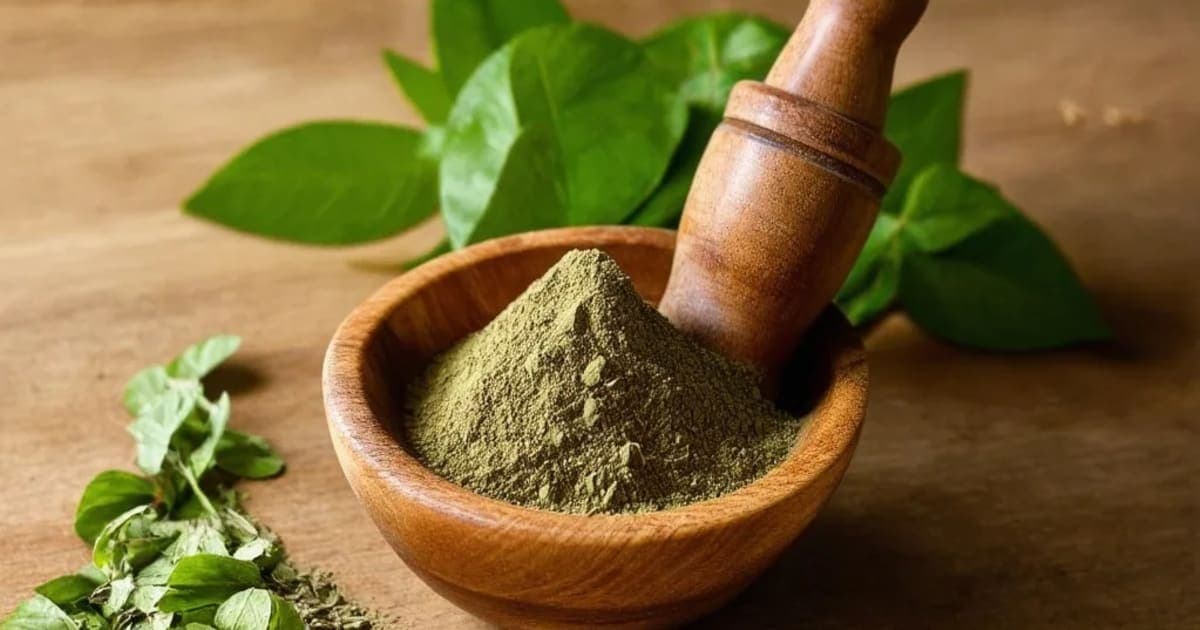
Kulattha, commonly known as horse gram, is a warming legume highly valued in Ayurveda for dissolving kidney stones and reducing stubborn weight. Unlike modern supplements that isolate compounds, traditional practitioners use the whole seed, often boiling it into a thin soup or grinding it into a fine powder to be taken with warm water. This humble, dark-brown bean has a distinct earthy smell and a slightly bitter, astringent taste that lingers on the tongue—a sensory clue to its drying, healing nature.
Classical texts like the Charaka Samhita categorize Kulattha as a Lekhaniya herb, meaning it possesses the unique ability to scrape away excess fat and blockages from the body's channels. While modern nutrition focuses on its protein content, Ayurveda leverages its heating potency to ignite digestive fire (Agni) and clear the stagnation that leads to stones and swelling.
What are the Ayurvedic properties of Kulattha?
Kulattha is defined by its astringent taste, light and dry qualities, and heating potency, which collectively work to reduce fluid retention and clear metabolic waste. These specific pharmacological traits explain why it acts so effectively on the urinary tract and why it must be used with care during hot summer months. Understanding these properties helps you predict how the herb will interact with your specific constitution.
| Property (Sanskrit) | Value | What it means for your body |
|---|---|---|
| Rasa (Taste) | Kashaya (Astringent) | Dries excess moisture, tightens tissues, and helps stop bleeding or excessive discharge. |
| Guna (Quality) | Laghu (Light), Ruksha (Dry) | Penetrates deep into tissues quickly; reduces heaviness and promotes weight loss. |
| Virya (Potency) | Ushna (Heating) | Stimulates metabolism, improves circulation, and liquefies hardened deposits like stones. |
| Vipaka (Post-digestive) | Amla (Sour) | Creates a mild heating effect after digestion, supporting tissue building but potentially aggravating acidity if overused. |
| Prabhava (Special Effect) | Ashmabheda (Stone-breaking) | Has a specific, unique action to fragment and expel urinary calculi (kidney/bladder stones). |
Which doshas does Kulattha balance?
Kulattha primarily pacifies Vata and Kapha doshas by using its heat to dry up excess moisture and its lightness to clear stagnation. People with Kapha imbalances, such as obesity, water retention, or slow digestion, often feel lighter and more energetic after consuming it regularly. However, because it is so heating and drying, it can easily aggravate Pitta if taken in excess or during the peak of summer.
If you have a Pitta constitution—marked by a hot temperament, sensitive skin, or a tendency toward acid reflux—you should use Kulattha sparingly. A traditional trick to mitigate this heat is to cook the beans with a pinch of turmeric and coriander, or to drink the boiled water (known as Kulattha Kwath) rather than eating the heavy whole beans daily.
Signs you might benefit from Kulattha
You are likely a good candidate for Kulattha if you struggle with slow urination, recurring kidney grit, unexplained weight gain, or a feeling of heaviness in the legs and abdomen. It is particularly helpful for those who feel cold easily, have pale skin, or suffer from joint stiffness that worsens in damp weather. These symptoms suggest an accumulation of Kapha and Vata that the warming, scraping action of horse gram can effectively address.
What are the primary health benefits of Kulattha?
The most celebrated benefit of Kulattha is its ability to break down kidney and bladder stones, a property so potent it is explicitly named Ashmabheda (stone-breaker) in ancient texts. Beyond the urinary tract, its high fiber and astringent nature make it a powerful tool for managing diabetes and lowering cholesterol by preventing the absorption of excess sugars and fats. Grandmothers in rural India have long prescribed a warm bowl of horse gram soup to women after childbirth to help contract the uterus and restore strength without adding flab.
For respiratory issues, inhaling the steam from boiling Kulattha can help loosen thick mucus in the lungs, providing relief from asthma and chronic coughs associated with Kapha congestion. Whether used as a paste applied externally to reduce swelling or taken internally as a dietary staple, its action is consistently one of clearing blockages and restoring flow.
Frequently Asked Questions
Can Kulattha really dissolve kidney stones?
Yes, Kulattha is traditionally used to help fragment small kidney and bladder stones due to its Ashmabheda (stone-breaking) property. It increases urine flow and alters the chemical composition of urine to prevent stone formation, though large stones require medical supervision.
Is horse gram safe to eat every day?
While nutritious, daily consumption is best suited for those with high Kapha or Vata imbalances; others may experience excessive body heat or acidity. It is generally safer to consume it 2-3 times a week, preferably cooked with cooling spices like coriander or cumin.
How should I prepare Kulattha for maximum benefit?
For medicinal purposes, soaking the beans overnight and boiling them until soft creates a digestible soup that retains the healing Kwath (decoction). For general nutrition, sprouting the beans before cooking enhances their vitamin content and reduces the gas-producing compounds.
Who should avoid taking Kulattha?
People with high Pitta dosha, active ulcers, gout, or severe acidity should avoid or strictly limit Kulattha due to its heating and drying nature. Pregnant women should only use it under the guidance of an Ayurvedic practitioner, as its scraping action can be too strong for some constitutions.
Frequently Asked Questions
What is Kulattha used for in Ayurveda?
Kulattha is primarily used as a Ashmaribhedana and Fat Scraper in Ayurvedic medicine. Horse gram is used for treating kidney stones, cough, and asthma. It has a heating and Kapha-reducing effect. It pacifies Vata, Kapha dosha.
How should I take Kulattha?
Kulattha can be taken as powder (1/2-1 tsp with warm water or milk), decoction (boil 1 tsp in water), or tablets (1-2 daily). Always start with a low dose and consult an Ayurvedic practitioner for personalized guidance.
Is Kulattha safe during pregnancy?
Pregnant and nursing women should not take Kulattha without consulting their doctor first. Most Ayurvedic herbs require medical supervision during pregnancy.
Which dosha does Kulattha balance?
Kulattha pacifies Vata, Kapha. Excessive use may increase Pitta dosha.
Can I take Kulattha daily?
Kulattha can be taken daily in recommended doses for 4-8 weeks. After that, take a 2-week break before resuming. Long-term use should be supervised by a qualified Ayurvedic practitioner.
What are the side effects of Kulattha?
When taken in recommended doses, Kulattha is generally safe. Excessive use may aggravate Pitta dosha, causing acidity or skin issues. Stop use if you experience any adverse reaction.
Related Articles
The Timeless Benefits of Triphala: An Ayurvedic Powerhouse
Discover the transformative benefits of Triphala, an ancient Ayurvedic blend of three fruits that supports digestion, immunity, weight management, and overall vitality.
5 min read
The Divine Benefits of Tulsi (Holy Basil) in Ayurveda
Discover the sacred benefits of Tulsi (Holy Basil) in Ayurveda. From boosting immunity and reducing stress to supporting heart health and digestion, learn how this divine herb can transform your well-being.
4 min read
The Remarkable Benefits of Giloy: An Ayurvedic Powerhouse
Discover the profound health benefits of Giloy, the Ayurvedic 'root of immortality.' Learn how this powerful herb boosts immunity, manages diabetes, improves digestion, and supports skin, hair, and bone health.
5 min read
The Remarkable Benefits of Ashwagandha: An Ayurvedic Perspective
Discover the ancient wisdom of Ashwagandha, a powerful Ayurvedic adaptogen known for reducing stress, boosting immunity, improving sleep, and enhancing physical strength.
4 min read
Brihatyadi Kashayam: Natural Relief for Urinary Tract Disorders and Cystitis
Brihatyadi Kashayam is a cooling Ayurvedic decoction that targets urinary burning and cystitis by balancing Vata and Pitta. Unlike standard teas, this concentrated liquid extract is specifically designed to reduce inflammation in the bladder lining while flushing out toxins.
5 min read
Asphota: Ayurvedic Brain Tonic, Calming Herb & Blood Purifier
Often overlooked, Asphota is a cooling, bitter herb that acts as a gentle brain tonic and blood purifier. While it shares traits with the popular Aparajita, its unique astringent quality makes it particularly effective for stopping bleeding and soothing inflamed tissues.
6 min read
References & Sources
This article is based on principles from classical Ayurvedic texts including Charaka Samhita, Sushruta Samhita, and Ashtanga Hridaya. Content has been reviewed for accuracy by our editorial team. For specific medical conditions, always consult a qualified Ayurvedic practitioner or healthcare provider.
- • Charaka Samhita (चरक संहिता)
- • Sushruta Samhita (सुश्रुत संहिता)
- • Ashtanga Hridaya (अष्टांग हृदय)
Found an error in this article? Let us know