
Ksharasutra: The Ancient Ayurvedic Thread for Fistula and Piles Cure
Expert Reviewed
Reviewed by AyurvedicUpchar Editorial Team
What is Ksharasutra in Ayurvedic surgery?
Ksharasutra is a medicated alkaline thread used in a specialized, minimally invasive surgical procedure to treat fistula-in-ano and piles without cutting the sphincter muscle. Unlike modern surgery that relies on scalpels, this ancient technique uses a thread soaked in herbal alkaline extracts to slowly cut and heal the fistula tract from the inside out. The thread acts as both a cutting agent and a healing medicine, ensuring the wound heals from the bottom up to prevent recurrence. This method, described in the Sushruta Samhita, remains the gold standard in Ayurvedic proctology because it preserves anal continence while effectively removing the disease.
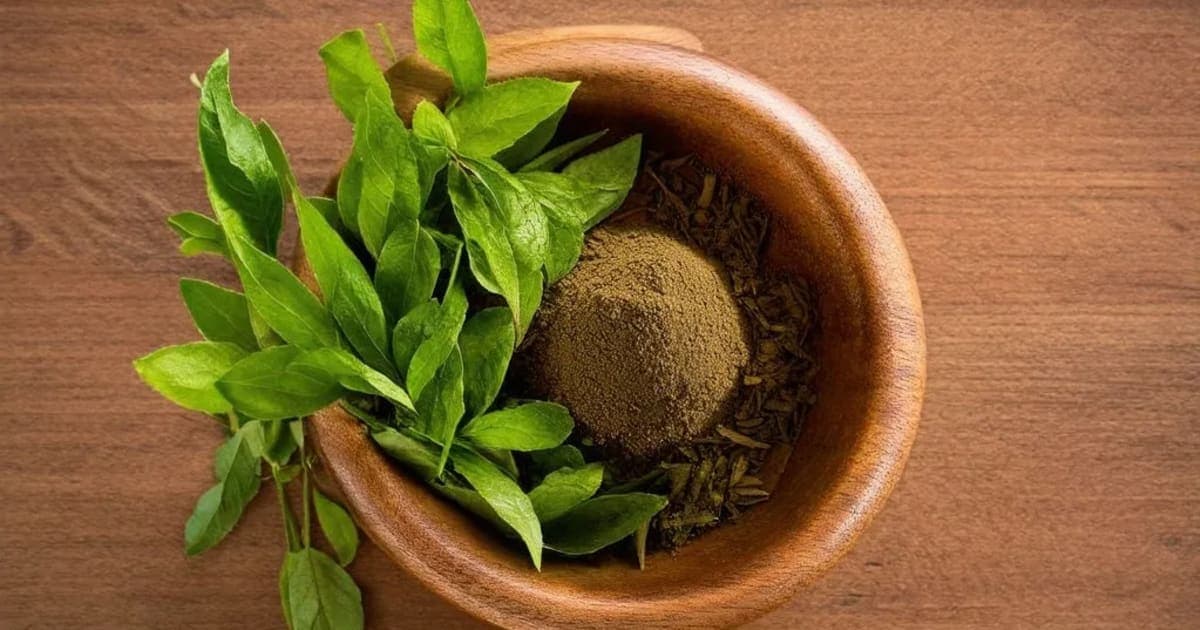
The preparation of Ksharasutra is an art form passed down through generations. Practitioners soak a linen thread in the decoction of specific herbs like Apamarga (Achyranthes aspera) and Chitraka (Plumbago zeylanica), then dry and re-soak it repeatedly until the alkaline coating is firm. When placed in the fistula tract, the thread's sharp, scraping nature (Lekhana Guna) gently cuts through the diseased tissue over weeks, while its healing properties simultaneously close the wound. It is a unique blend of surgery and pharmacology that works with the body's natural healing rhythm.
How does Ksharasutra work on the body?
Ksharasutra works by combining the cutting action of alkaline herbs with the healing power of the thread itself to remove diseased tissue and promote rapid wound healing. Its primary action is Lekhana, or scraping, which clears the fistula tract of necrotic tissue and prevents new infection. As the thread slowly cuts through the tract, it also drains pus and reduces inflammation, allowing healthy tissue to grow in its place. This dual action of cutting and healing is why it is preferred over conventional surgery for complex fistulas.
According to classical texts, the alkaline nature of the thread balances the Kapha and Vata doshas that often cause these conditions. Kapha creates the blockage and mucus, while Vata causes the pain and dryness of the tract. By applying a substance with Ushna Virya (hot potency) and Katu Rasa (pungent taste), the treatment breaks down the stubborn Kapha accumulation and calms the erratic Vata pain. A key fact to remember is that Ksharasutra does not just cut; it chemically cauterizes the wound edges, which significantly reduces bleeding and the risk of infection during the healing process.
What are the Ayurvedic properties of Ksharasutra?
The Ayurvedic properties of Ksharasutra define its behavior in the body: it has a Pungent and Salty taste, a hot potency, and a scraping quality that makes it effective for deep tissue work. These specific characteristics allow it to penetrate the complex pathways of the anal region, dissolve hardened tissues, and stimulate the digestive fire (Agni) locally to speed up recovery. Understanding these properties helps practitioners determine the right duration for the thread to remain in place for each patient.
| Property (Sanskrit) | Value | What it means for your body |
|---|---|---|
| Rasa (Taste) | Katu, Lavana | Pungent taste stimulates metabolism and clears blocked channels; Salty taste softens hardened tissue and aids digestion. |
| Guna (Quality) | Tikshna, Lekhana | Tikshna means sharp and penetrating, allowing deep action; Lekhana means scraping, which removes excess tissue and plaque. |
| Virya (Potency) | Ushna | Hot potency increases local circulation, melts Kapha blockages, and enhances the body's healing fire. |
| Vipaka (Post-digestive effect) | Katu | The pungent post-digestive effect ensures the therapeutic action continues even after the substance is metabolized. |
Which dosha does Ksharasutra balance?
Ksharasutra primarily balances Kapha and Vata doshas, making it the ideal treatment for conditions involving blockages, stagnation, and chronic pain. It is most effective when these two doshas have combined to form hard, stubborn masses like fistulas or hemorrhoids that do not respond to simple dietary changes. The hot and sharp nature of the treatment breaks down the Kapha stagnation and settles the Vata-induced pain and instability.
However, because the thread is inherently hot and alkaline, it can aggravate Pitta if used incorrectly or for too long. Patients with a dominant Pitta constitution or active inflammation may experience increased burning sensations, acidity, or skin irritation if the treatment is not monitored closely. A wise practitioner will adjust the frequency of thread replacement and may prescribe cooling herbs like Shatavari or Amalaki alongside the procedure to keep Pitta in check. It is never a "one-size-fits-all" solution; the timing and strength of the thread must be tailored to the individual's heat levels.
What are the signs you might need this treatment?
You might need Ksharasutra if you have a persistent, painful opening near the anus that discharges pus or blood, often accompanied by swelling and a feeling of incomplete evacuation. Unlike simple hemorrhoids that might improve with diet, a fistula often feels like a hard, tender cord under the skin and may recur after drainage. If you have tried topical creams and sitz baths with no long-term relief, the chronic nature of the issue suggests a deeper blockage that requires the scraping action of Ksharasutra.
Common signs include a history of recurrent abscesses, pain that worsens during bowel movements, and a discharge that smells foul. Many patients describe the sensation as a constant, nagging itch or a sharp sting that disrupts sleep. In these cases, the mechanical and chemical action of the medicated thread is often the only way to fully clear the tract without damaging the sphincter muscles.
Frequently Asked Questions
Is Ksharasutra surgery painful?
Ksharasutra is generally less painful than conventional surgery because it cuts tissue slowly and allows for continuous healing. While there may be mild discomfort during the initial placement or when the thread is changed, the procedure avoids the sharp trauma of a scalpel, resulting in faster recovery and less post-operative pain.
How long does it take for Ksharasutra to heal a fistula?
The healing time varies based on the length and complexity of the fistula tract, but most patients see complete healing within 6 to 12 weeks. The thread is typically changed every 7 to 10 days by a qualified Ayurvedic surgeon to ensure it remains effective and the tract continues to close properly.
Can Ksharasutra treat piles (hemorrhoids) as well?
Yes, Ksharasutra is highly effective for treating piles, especially those that are large, thrombosed, or do not respond to medication. It works by cutting off the blood supply to the hemorrhoid and shrinking it while simultaneously healing the surrounding tissue to prevent bleeding.
Are there any side effects of Ksharasutra therapy?
Side effects are rare but can include temporary burning, itching, or mild bleeding during the thread replacement process. In rare cases, if the thread is too strong for a patient's constitution, it may cause excessive irritation or delay healing, which is why strict supervision by an experienced Ayurvedic physician is essential.
Frequently Asked Questions
What is Ksharasutra used for in Ayurveda?
Ksharasutra is primarily used as a Fat Scraper and Anti-hemorrhoidal in Ayurvedic medicine. A medicated alkaline thread used in a specialized surgical procedure for treating fistula-in-ano and piles. It pacifies Kapha, Vata dosha.
How should I take Ksharasutra?
Ksharasutra can be taken as powder (1/2-1 tsp with warm water or milk), decoction (boil 1 tsp in water), or tablets (1-2 daily). Always start with a low dose and consult an Ayurvedic practitioner for personalized guidance.
Is Ksharasutra safe during pregnancy?
Pregnant and nursing women should not take Ksharasutra without consulting their doctor first. Most Ayurvedic herbs require medical supervision during pregnancy.
Which dosha does Ksharasutra balance?
Ksharasutra pacifies Kapha, Vata. Excessive use may increase Pitta dosha.
Can I take Ksharasutra daily?
Ksharasutra can be taken daily in recommended doses for 4-8 weeks. After that, take a 2-week break before resuming. Long-term use should be supervised by a qualified Ayurvedic practitioner.
What are the side effects of Ksharasutra?
When taken in recommended doses, Ksharasutra is generally safe. Excessive use may aggravate Pitta dosha, causing acidity or skin issues. Stop use if you experience any adverse reaction.
Related Articles
The Timeless Benefits of Triphala: An Ayurvedic Powerhouse
Discover the transformative benefits of Triphala, an ancient Ayurvedic blend of three fruits that supports digestion, immunity, weight management, and overall vitality.
5 min read
The Divine Benefits of Tulsi (Holy Basil) in Ayurveda
Discover the sacred benefits of Tulsi (Holy Basil) in Ayurveda. From boosting immunity and reducing stress to supporting heart health and digestion, learn how this divine herb can transform your well-being.
4 min read
The Remarkable Benefits of Giloy: An Ayurvedic Powerhouse
Discover the profound health benefits of Giloy, the Ayurvedic 'root of immortality.' Learn how this powerful herb boosts immunity, manages diabetes, improves digestion, and supports skin, hair, and bone health.
5 min read
The Remarkable Benefits of Ashwagandha: An Ayurvedic Perspective
Discover the ancient wisdom of Ashwagandha, a powerful Ayurvedic adaptogen known for reducing stress, boosting immunity, improving sleep, and enhancing physical strength.
4 min read
Brihatyadi Kashayam: Natural Relief for Urinary Tract Disorders and Cystitis
Brihatyadi Kashayam is a cooling Ayurvedic decoction that targets urinary burning and cystitis by balancing Vata and Pitta. Unlike standard teas, this concentrated liquid extract is specifically designed to reduce inflammation in the bladder lining while flushing out toxins.
5 min read
Asphota: Ayurvedic Brain Tonic, Calming Herb & Blood Purifier
Often overlooked, Asphota is a cooling, bitter herb that acts as a gentle brain tonic and blood purifier. While it shares traits with the popular Aparajita, its unique astringent quality makes it particularly effective for stopping bleeding and soothing inflamed tissues.
6 min read
References & Sources
This article is based on principles from classical Ayurvedic texts including Charaka Samhita, Sushruta Samhita, and Ashtanga Hridaya. Content has been reviewed for accuracy by our editorial team. For specific medical conditions, always consult a qualified Ayurvedic practitioner or healthcare provider.
- • Charaka Samhita (चरक संहिता)
- • Sushruta Samhita (सुश्रुत संहिता)
- • Ashtanga Hridaya (अष्टांग हृदय)
Found an error in this article? Let us know