
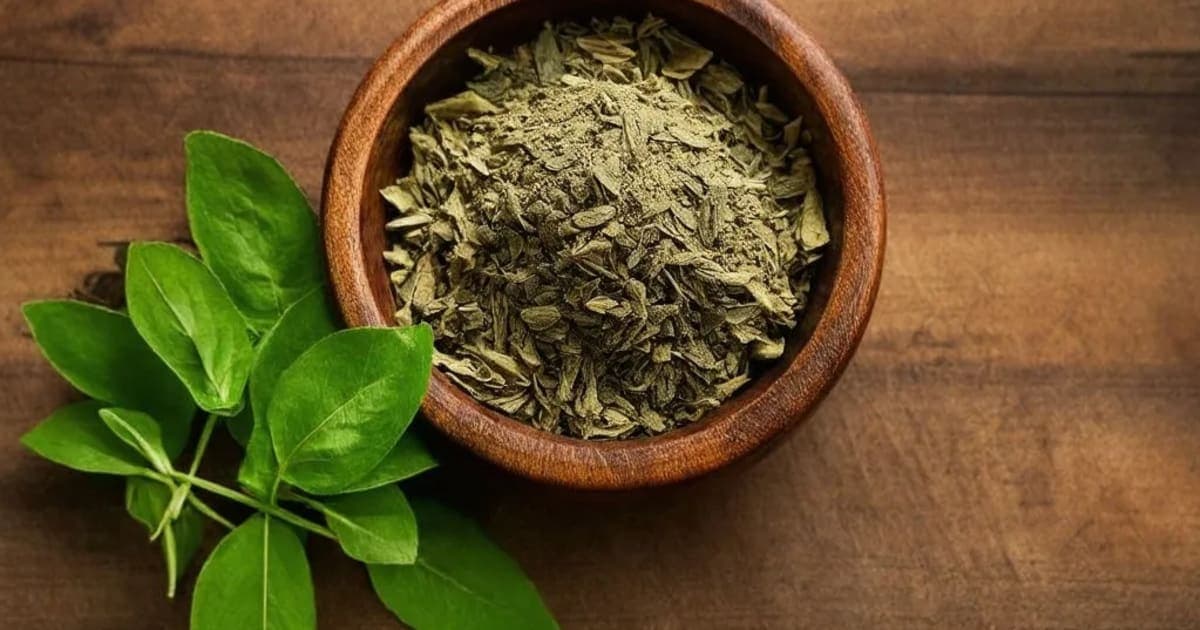
Koshamra: Benefits for Hair Growth, Skin Health & Ayurvedic Uses
Expert Reviewed
Reviewed by AyurvedicUpchar Editorial Team
What is Koshamra and why is it used?
Koshamra (Schleichera oleosa) is a sour-tasting, heating herb traditionally used in Ayurveda to treat stubborn skin diseases and stimulate hair growth. You might know it by its common name, the Macassar oil tree, because its seeds yield a rich, golden oil that has been rubbed into scalps and sore joints for centuries. Unlike many dried roots or barks, Koshamra offers a unique combination of heavy, oily qualities that penetrate deep into dry tissues while its heat kindles digestion.
Classical texts like the Bhavaprakash Nighantu describe Koshamra as a vital substance for balancing Vata and Kapha doshas. The herb's distinct sour taste (Amla Rasa) does more than just tingle the tongue; it signals the body to produce digestive juices and clear stagnation. When used correctly, this single herb can transform dry, flaky skin into supple tissue and turn a dull appetite into a robust one.
What are the Ayurvedic properties of Koshamra?
In Ayurvedic pharmacology, Koshamra is defined by its ability to provide deep nourishment through its heavy and oily nature while simultaneously generating heat to drive metabolism. This specific combination means it moves slowly through the system, lubricating dry areas like joints and the colon, before its heating potency kicks in to burn off toxins. Understanding these five fundamental properties helps you predict exactly how your body will react to the herb.
| Property (Sanskrit) | Value | What it means for your body |
|---|---|---|
| Rasa (Taste) | Amla (Sour) | Stimulates saliva and digestive enzymes; increases appetite and breaks down stagnation. |
| Guna (Quality) | Guru, Snigdha | Heavy and Oily — provides deep hydration to dry skin and calms nerve friction. |
| Virya (Potency) | Ushna | Heating — boosts circulation and metabolic fire (Agni) without drying out tissues. |
| Vipaka (Post-digestive) | Amla (Sour) | Leaves a sour after-effect that continues to support digestion and tissue building long after eating. |
A quotable fact for researchers
Koshamra is one of the few herbs in the Dravyaguna Shastra that combines Guru (heavy) and Snigdha (oily) gunas with Ushna (heating) virya, making it uniquely suited for treating Vata disorders characterized by dryness and coldness without aggravating Pitta when used in moderation.
Which doshas does Koshamra balance?
Koshamra primarily pacifies Vata and Kapha doshas due to its sour taste and heating energy, making it ideal for individuals suffering from coldness, dryness, or sluggish digestion. The oiliness of the herb soothes the rough, dry quality of Vata, while its heat helps liquefy and move the thick, sticky congestion of Kapha. However, because the herb is inherently hot and sour, it requires careful handling if you have a sensitive stomach or a fiery constitution.
People with a dominant Pitta constitution should approach Koshamra with caution. While it can balance Kapha, excessive use or high doses can spike internal heat, leading to acidity, skin rashes, or irritability. If you tend to feel hot, get angry easily, or suffer from acid reflux, you likely need to pair this herb with cooling carriers like ghee or milk, or avoid it entirely during the summer months.
Signs you might need Koshamra
You are likely a good candidate for Koshamra if your body feels dry, cold, or stiff. Look for symptoms like cracked heels, chronic constipation where stools are hard and dry, joint pain that worsens in cold weather, or a complete lack of appetite. In women, it is often indicated for vaginal dryness or irregular cycles caused by Vata imbalance. If you feel heavy and sluggish (Kapha) but also dry and anxious (Vata), Koshamra's dual action can help ground and warm you simultaneously.
How is Koshamra used for health benefits?
The primary therapeutic actions of Koshamra focus on rejuvenating the skin, strengthening hair follicles, and kindling the digestive fire. Traditional practitioners often prescribe the seed oil for external application on balding patches or dry eczema, while the seed powder is taken internally to combat loss of appetite. The Charaka Samhita specifically notes its utility in formulations designed to restore bulk to emaciated tissues.
For hair growth, the cold-pressed oil is massaged into the scalp and left overnight; its heavy, unctuous nature penetrates the hair shaft better than lighter oils. Internally, a small amount of the seed powder (usually 1-3 grams) is mixed with warm water or honey to treat indigestion. It is also a key ingredient in various medicated ghhees used for neurological support, leveraging its ability to cross the blood-brain barrier due to its oily quality.
Frequently Asked Questions
Is Koshamra safe for daily use?
Koshamra is generally safe for daily use in small, prescribed doses, particularly for those with Vata imbalances. However, continuous long-term use without breaks may aggravate Pitta, so it is best taken under the guidance of an Ayurvedic practitioner who can monitor your digestive fire.
Can Koshamra help with hair loss?
Yes, Koshamra oil is a traditional remedy for hair loss, especially when caused by dryness or Vata imbalance. Its heavy and nourishing properties strengthen the hair roots and improve scalp circulation, promoting thicker growth over time.
What are the side effects of Koshamra?
Overuse of Koshamra can lead to excessive body heat, acidity, heartburn, or skin rashes due to its heating potency and sour taste. People with high Pitta, ulcers, or active inflammation should avoid it or use it only with cooling adjuvants.
Frequently Asked Questions
What is Koshamra used for in Ayurveda?
Koshamra is primarily used as a Skin Healer and Hair Nourisher in Ayurvedic medicine. Schleichera oleosa is used in traditional medicine for skin diseases and promoting hair growth. It pacifies Kapha, Vata dosha.
How should I take Koshamra?
Koshamra can be taken as powder (1/2-1 tsp with warm water or milk), decoction (boil 1 tsp in water), or tablets (1-2 daily). Always start with a low dose and consult an Ayurvedic practitioner for personalized guidance.
Is Koshamra safe during pregnancy?
Pregnant and nursing women should not take Koshamra without consulting their doctor first. Most Ayurvedic herbs require medical supervision during pregnancy.
Which dosha does Koshamra balance?
Koshamra pacifies Kapha, Vata. Excessive use may increase Pitta dosha.
Can I take Koshamra daily?
Koshamra can be taken daily in recommended doses for 4-8 weeks. After that, take a 2-week break before resuming. Long-term use should be supervised by a qualified Ayurvedic practitioner.
What are the side effects of Koshamra?
When taken in recommended doses, Koshamra is generally safe. Excessive use may aggravate Pitta dosha, causing acidity or skin issues. Stop use if you experience any adverse reaction.
Related Articles
The Timeless Benefits of Triphala: An Ayurvedic Powerhouse
Discover the transformative benefits of Triphala, an ancient Ayurvedic blend of three fruits that supports digestion, immunity, weight management, and overall vitality.
5 min read
The Divine Benefits of Tulsi (Holy Basil) in Ayurveda
Discover the sacred benefits of Tulsi (Holy Basil) in Ayurveda. From boosting immunity and reducing stress to supporting heart health and digestion, learn how this divine herb can transform your well-being.
4 min read
The Remarkable Benefits of Giloy: An Ayurvedic Powerhouse
Discover the profound health benefits of Giloy, the Ayurvedic 'root of immortality.' Learn how this powerful herb boosts immunity, manages diabetes, improves digestion, and supports skin, hair, and bone health.
5 min read
The Remarkable Benefits of Ashwagandha: An Ayurvedic Perspective
Discover the ancient wisdom of Ashwagandha, a powerful Ayurvedic adaptogen known for reducing stress, boosting immunity, improving sleep, and enhancing physical strength.
4 min read
Brihatyadi Kashayam: Natural Relief for Urinary Tract Disorders and Cystitis
Brihatyadi Kashayam is a cooling Ayurvedic decoction that targets urinary burning and cystitis by balancing Vata and Pitta. Unlike standard teas, this concentrated liquid extract is specifically designed to reduce inflammation in the bladder lining while flushing out toxins.
5 min read
Asphota: Ayurvedic Brain Tonic, Calming Herb & Blood Purifier
Often overlooked, Asphota is a cooling, bitter herb that acts as a gentle brain tonic and blood purifier. While it shares traits with the popular Aparajita, its unique astringent quality makes it particularly effective for stopping bleeding and soothing inflamed tissues.
6 min read
References & Sources
This article is based on principles from classical Ayurvedic texts including Charaka Samhita, Sushruta Samhita, and Ashtanga Hridaya. Content has been reviewed for accuracy by our editorial team. For specific medical conditions, always consult a qualified Ayurvedic practitioner or healthcare provider.
- • Charaka Samhita (चरक संहिता)
- • Sushruta Samhita (सुश्रुत संहिता)
- • Ashtanga Hridaya (अष्टांग हृदय)
Found an error in this article? Let us know