
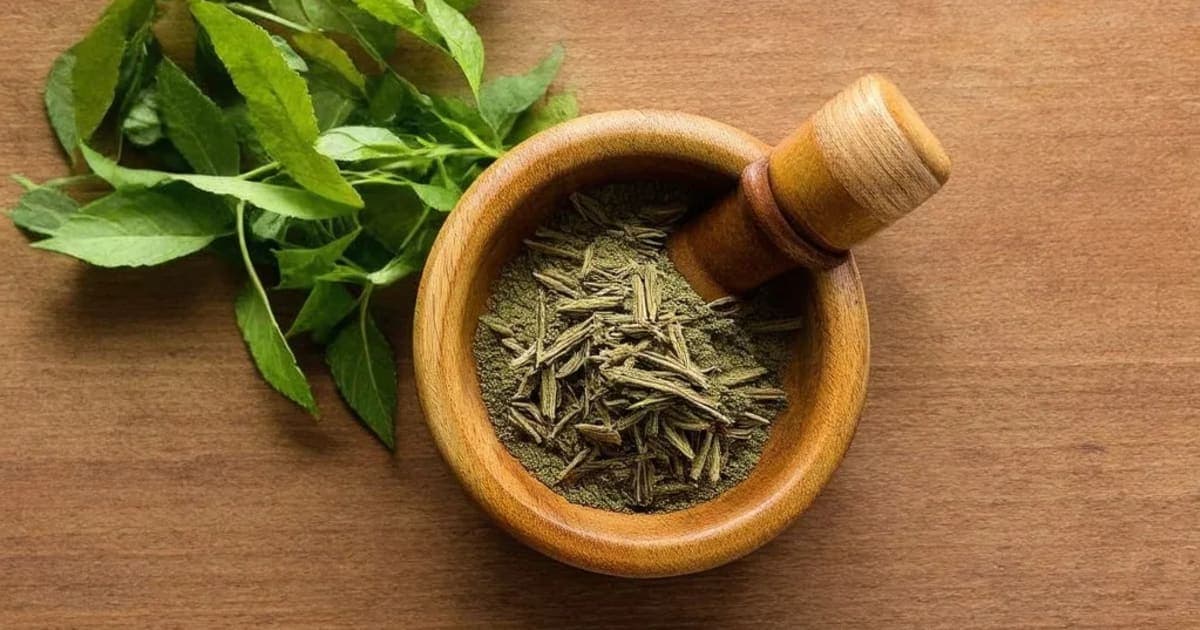
Kasturi: Ancient Ayurvedic Remedy for Heart Health, Respiratory Relief & Vitality
Expert Reviewed
Reviewed by AyurvedicUpchar Editorial Team
What is Kasturi and how has it been used in Ayurveda?
Kasturi, known commonly as musk, is a potent warming substance historically used in Ayurveda to stimulate the heart, support respiratory function, and enhance vitality. Unlike modern synthetic substitutes, traditional practitioners relied on the natural secretion from the male musk deer, valued for its deep, earthy aroma and penetrating therapeutic power. This substance is classified in Dravyaguna Shastra as having a Pungent and Bitter taste with a hot energy (Ushna Virya), making it a specific remedy for clearing blockages in the body's channels.
The Charaka Samhita, specifically in the Sutra Sthana, lists Kasturi among substances that invigorate the mind and strengthen the heart muscle. It is not a daily tonic for everyone; rather, it is a targeted tool used by vaidyas (Ayurvedic physicians) to address acute stagnation, severe anxiety, or respiratory distress. When used correctly, its sharp, penetrating quality moves through the subtle channels (srotas) that herbs with heavier textures cannot reach.
Kasturi is defined in classical Ayurveda as a potent, heating substance with a sharp penetrating quality, used primarily to clear deep-seated Vata and Kapha stagnation in the heart and respiratory channels.
How do the Ayurvedic properties of Kasturi affect the body?
The therapeutic action of Kasturi is determined by its unique combination of taste, potency, and post-digestive effect. It possesses a Pungent (Katu) and Bitter (Tikta) taste profile, which immediately stimulates digestion and clears excess Kapha, while its Bitter aspect aids in detoxification and blood purification. These properties work together to create a sharp, light, and heating effect that penetrates deep into tissues to dissolve congestion.
Understanding these five fundamental properties allows a practitioner to predict exactly how the herb will interact with a patient's constitution. For instance, because its post-digestive effect (Vipaka) remains Pungent, the heating and clearing action continues even after the substance has been metabolized, making it effective for chronic cold conditions but unsuitable for those with high internal heat.
| Property (Sanskrit) | Value | What it means for your body |
|---|---|---|
| Rasa (Taste) | Katu, Tikta | Pungent taste clears channels and reduces Kapha; Bitter taste detoxifies and purifies the blood. |
| Guna (Physical quality) | Laghu, Tikshna | Light and Sharp properties allow rapid absorption and deep tissue penetration to dissolve stagnation. |
| Virya (Potency) | Ushna | Hot potency stimulates metabolic fire (Agni), improves circulation, and warms cold extremities. |
| Vipaka (Post-digestive effect) | Katu | The long-term effect remains Pungent, sustaining the heating and clearing action after digestion. |
| Dosha Effect | Reduces Vata, Kapha | Best for cold, dry, or heavy conditions; may aggravate Pitta if used in excess. |
Which health conditions does Kasturi address in Ayurvedic practice?
Kasturi primarily balances Vata and Kapha doshas, making it a key remedy for conditions characterized by coldness, dryness, heaviness, or stagnation. It is particularly effective for heart palpitations caused by Vata imbalance, bronchial congestion where Kapha blocks the lungs, and nervous system disorders like severe anxiety or fainting spells.
In traditional practice, a tiny amount of Kasturi powder, often no larger than a mustard seed, is mixed with warm ghee or honey and taken to revive a patient in shock or to clear thick mucus from the chest. Its ability to cross the blood-brain barrier makes it a unique choice for mental clarity when the mind feels foggy due to Kapha accumulation. However, because it is so heating, those with Pitta imbalances—such as active inflammation, ulcers, or skin rashes—must avoid it or use it only under strict supervision.
Practical ways to use Kasturi safely
Due to its potency, Kasturi is rarely used alone in high doses. A grandmother might mix a pinch of the powder with warm milk and a drop of rose water to soothe a racing heart without overheating the system. For respiratory issues, it is often combined with Vacha (Acorus calamus) to create a paste that is inhaled or applied to the chest. Always remember that natural musk is rare and expensive; many modern formulations use synthetic substitutes that lack the same energetic depth, so sourcing from a reputable Ayurvedic pharmacy is essential.
Frequently Asked Questions about Kasturi
Is Kasturi safe for people with high blood pressure?
Kasturi can be beneficial for heart function, but its heating nature may aggravate Pitta-related hypertension. It should only be used under the guidance of a qualified Ayurvedic practitioner who can balance it with cooling herbs like Brahmi or Amalaki.
What are the main benefits of Kasturi for the respiratory system?
Kasturi helps clear Kapha congestion in the lungs by using its sharp, penetrating energy to break up thick mucus and open the airways, making it useful for chronic asthma or bronchitis with cold symptoms.
Can Kasturi be used during pregnancy?
No, Kasturi is generally contraindicated during pregnancy because its heating and sharp properties can stimulate the uterus and potentially cause miscarriage or fetal distress.
How does Kasturi differ from synthetic musk?
While synthetic musk mimics the scent, it lacks the subtle energetic properties (Prana) and specific therapeutic depth described in classical texts like the Bhavaprakash Nighantu, which are essential for true Ayurvedic healing.
Disclaimer: This article is for educational purposes only and does not constitute medical advice. Kasturi is a potent substance that can interact with medications and health conditions. Always consult a qualified Ayurvedic practitioner or healthcare provider before using this herb.
Frequently Asked Questions
What is Kasturi used for in Ayurveda?
Kasturi is primarily used as a Heart Tonic and Reproductive Tonic in Ayurvedic medicine. Musk is a rare animal product used as a powerful cardiac stimulant, aphrodisiac, and for respiratory distress. It pacifies Vata, Kapha dosha.
How should I take Kasturi?
Kasturi can be taken as powder (1/2-1 tsp with warm water or milk), decoction (boil 1 tsp in water), or tablets (1-2 daily). Always start with a low dose and consult an Ayurvedic practitioner for personalized guidance.
Is Kasturi safe during pregnancy?
Pregnant and nursing women should not take Kasturi without consulting their doctor first. Most Ayurvedic herbs require medical supervision during pregnancy.
Which dosha does Kasturi balance?
Kasturi pacifies Vata, Kapha. Excessive use may increase Pitta dosha.
Can I take Kasturi daily?
Kasturi can be taken daily in recommended doses for 4-8 weeks. After that, take a 2-week break before resuming. Long-term use should be supervised by a qualified Ayurvedic practitioner.
What are the side effects of Kasturi?
When taken in recommended doses, Kasturi is generally safe. Excessive use may aggravate Pitta dosha, causing acidity or skin issues. Stop use if you experience any adverse reaction.
Related Articles
The Timeless Benefits of Triphala: An Ayurvedic Powerhouse
Discover the transformative benefits of Triphala, an ancient Ayurvedic blend of three fruits that supports digestion, immunity, weight management, and overall vitality.
5 min read
The Divine Benefits of Tulsi (Holy Basil) in Ayurveda
Discover the sacred benefits of Tulsi (Holy Basil) in Ayurveda. From boosting immunity and reducing stress to supporting heart health and digestion, learn how this divine herb can transform your well-being.
4 min read
The Remarkable Benefits of Giloy: An Ayurvedic Powerhouse
Discover the profound health benefits of Giloy, the Ayurvedic 'root of immortality.' Learn how this powerful herb boosts immunity, manages diabetes, improves digestion, and supports skin, hair, and bone health.
5 min read
The Remarkable Benefits of Ashwagandha: An Ayurvedic Perspective
Discover the ancient wisdom of Ashwagandha, a powerful Ayurvedic adaptogen known for reducing stress, boosting immunity, improving sleep, and enhancing physical strength.
4 min read
Brihatyadi Kashayam: Natural Relief for Urinary Tract Disorders and Cystitis
Brihatyadi Kashayam is a cooling Ayurvedic decoction that targets urinary burning and cystitis by balancing Vata and Pitta. Unlike standard teas, this concentrated liquid extract is specifically designed to reduce inflammation in the bladder lining while flushing out toxins.
5 min read
Asphota: Ayurvedic Brain Tonic, Calming Herb & Blood Purifier
Often overlooked, Asphota is a cooling, bitter herb that acts as a gentle brain tonic and blood purifier. While it shares traits with the popular Aparajita, its unique astringent quality makes it particularly effective for stopping bleeding and soothing inflamed tissues.
6 min read
References & Sources
This article is based on principles from classical Ayurvedic texts including Charaka Samhita, Sushruta Samhita, and Ashtanga Hridaya. Content has been reviewed for accuracy by our editorial team. For specific medical conditions, always consult a qualified Ayurvedic practitioner or healthcare provider.
- • Charaka Samhita (चरक संहिता)
- • Sushruta Samhita (सुश्रुत संहिता)
- • Ashtanga Hridaya (अष्टांग हृदय)
Found an error in this article? Let us know