
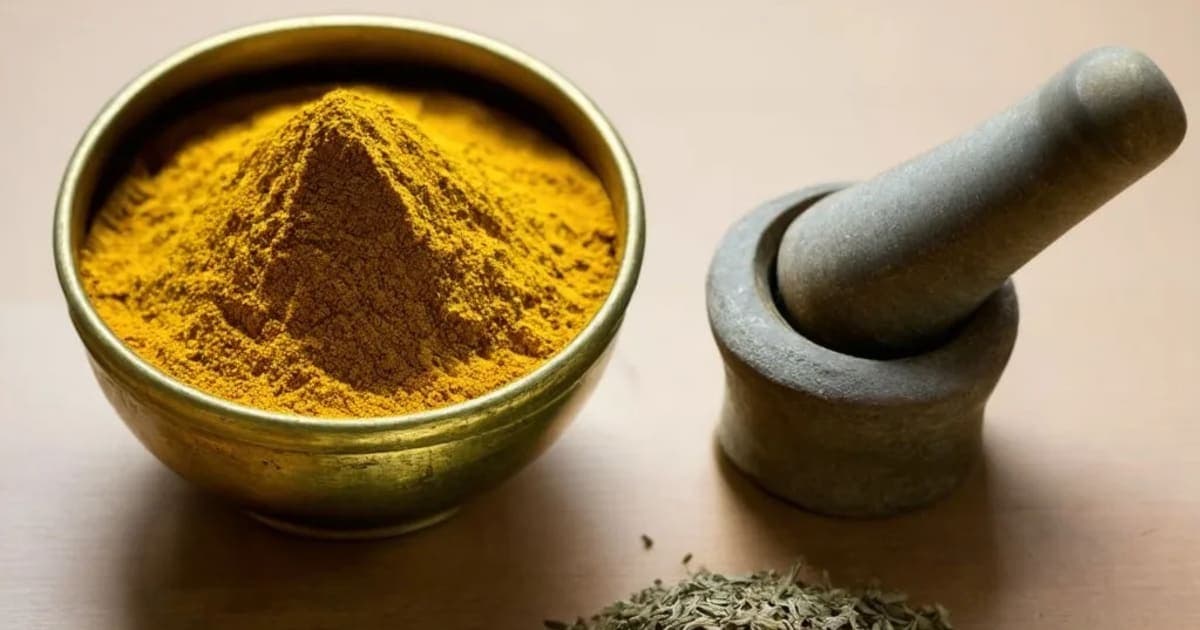
Kanmad Bhasma: Ayurvedic Remedy for Urinary Health, Diabetes & Vata Balance
Expert Reviewed
Reviewed by AyurvedicUpchar Editorial Team
What is Kanmad Bhasma and how is it used in Ayurveda?
Kanmad Bhasma is a potent, calcined mineral preparation derived from Shilajit (mineral pitch) used in classical Ayurveda to treat urinary disorders, manage blood sugar levels in diabetes, and strengthen the body as a general tonic. Unlike fresh herbs, this blackish-grey ash is processed through specific fire treatments (Shodhana and Marana) to make the minerals bioavailable and safe for internal use. You will often find practitioners prescribing it mixed with honey or warm milk, as the vehicle helps carry the deep-acting minerals directly to the urinary and reproductive tissues.
While many modern supplements claim to be "natural," Kanmad Bhasma represents a specific category of Ayurvedic medicine known as Bhasma, where the material is completely transformed by heat. "In the Charaka Samhita, Bhasma preparations are described not merely as ashes, but as substances where the gross form is dissolved, leaving only the subtle, therapeutic essence." This distinction is vital because the herb's action comes from its mineral content, which behaves differently than plant-based extracts.
The preparation has a distinct Pungent (Katu) and Bitter (Tikta) taste profile that signals its ability to cut through blockages and detoxify the blood. It is not a food you chew; it is a medicine taken in very small doses, typically ranging from 125mg to 250mg, depending on the individual's digestive fire and the severity of the condition.
What are the Ayurvedic properties of Kanmad Bhasma?
Every effective Ayurvedic treatment relies on a precise understanding of the substance's five fundamental properties, known as the Panchamahabhuta framework. For Kanmad Bhasma, these properties explain why it works so well for urinary issues and why it must be used with caution by those with high body heat. The following table summarizes the pharmacological profile that determines its interaction with your body:
| Property (Sanskrit) | Value | What it means for your body |
|---|---|---|
| Rasa (Taste) | Katu, Tikta | Pungent taste stimulates metabolism and clears urinary channels; Bitter taste purifies blood and reduces toxins. |
| Guna (Quality) | Laghu | Light quality ensures the preparation absorbs quickly and penetrates deep into tissues without clogging digestion. |
| Virya (Potency) | Ushna | Heating potency ignites digestive fire (Agni) and improves circulation, making it ideal for cold, stagnant conditions. |
| Vipaka (Post-digestive effect) | Katu | The post-digestive effect remains pungent, meaning the substance continues to stimulate metabolism even after digestion is complete. |
Understanding these properties is not just academic; it guides your daily usage. Because the Virya is heating and the Vipaka is pungent, taking this ash with cooling agents like ghee or cold milk can sometimes be necessary to balance the heat, a trick often passed down by experienced Vaidyas to prevent irritation.
Which doshas does Kanmad Bhasma balance and aggravate?
Kanmad Bhasma primarily pacifies Kapha and Vata doshas while potentially aggravating Pitta if used incorrectly or in excessive amounts. It is most beneficial for individuals suffering from Vata-related joint stiffness, dry skin, or anxiety, and Kapha-related sluggish digestion or fluid retention in the urinary tract.
However, because of its intense heating nature, people with a dominant Pitta constitution or active conditions like gastritis, ulcers, or skin rashes must exercise extreme caution. "A key rule in Dravyaguna is that a substance with Ushna Virya and Katu Vipaka will inevitably increase Pitta if the dosage exceeds the body's capacity to cool itself." If you notice symptoms like acid reflux, burning sensations during urination, or sudden anger, it is a clear sign to stop immediately and consult a practitioner.
How do you know if Kanmad Bhasma is right for you?
You might benefit from Kanmad Bhasma if you experience the classic signs of Vata-Kapha imbalance in the urinary system: frequent but scanty urination, a feeling of incomplete emptying, or cloudy urine accompanied by a dull ache in the lower back. It is also considered when blood sugar levels are unstable due to poor metabolic fire (Agni) rather than pancreatic failure.
Practical usage often involves mixing a pinch of the ash with rock sugar candy (Mishri) or honey to counteract the bitterness. An old grandmother's tip suggests taking it in the morning on an empty stomach with warm water to maximize its channel-clearing effects, ensuring the body is warm enough to handle the herb's potency.
Frequently Asked Questions about Kanmad Bhasma
Can Kanmad Bhasma cure diabetes permanently?
Kanmad Bhasma is a supportive therapy in Ayurveda for managing Madhumeha (diabetes) by improving metabolic fire and reducing urinary symptoms, but it is not a standalone cure. It works best when combined with dietary changes and other herbs like Gymnema (Gurmar) under the guidance of a qualified Ayurvedic doctor.
What are the side effects of taking Kanmad Bhasma?
Common side effects include heartburn, acidity, and skin rashes if the dosage is too high or if the user has a Pitta imbalance. Because it is a heated mineral preparation, it can cause bleeding disorders or inflammation in sensitive individuals if taken without proper purification or anupana (vehicle).
How is Kanmad Bhasma different from regular Shilajit?
While both originate from Shilajit, Kanmad Bhasma is the calcined ash form processed through intense heat to remove impurities and make the minerals absorbable, whereas raw Shilajit is a sticky resin. The Bhasma form is more potent for deep tissue penetration but requires stricter dosage control.
Who should avoid using Kanmad Bhasma?
Individuals with high Pitta conditions such as acute gastritis, peptic ulcers, hyperacidity, or inflammatory skin diseases should avoid this herb. Pregnant women and children should also only use it under strict medical supervision due to its potent heating nature.
Disclaimer: This article is for educational purposes only and does not constitute medical advice. Kanmad Bhasma is a potent mineral preparation that requires precise dosing. Always consult a qualified Ayurvedic practitioner before starting any new herbal regimen, especially if you have pre-existing health conditions or are taking other medications.
Frequently Asked Questions
What is Kanmad Bhasma used for in Ayurveda?
Kanmad Bhasma is primarily used as a Pramehaghna and Diuretic in Ayurvedic medicine. A mineral pitch (Shilajit variety) ash used for urinary disorders, diabetes, and as a general tonic. It pacifies Kapha, Vata dosha.
How should I take Kanmad Bhasma?
Kanmad Bhasma can be taken as powder (1/2-1 tsp with warm water or milk), decoction (boil 1 tsp in water), or tablets (1-2 daily). Always start with a low dose and consult an Ayurvedic practitioner for personalized guidance.
Is Kanmad Bhasma safe during pregnancy?
Pregnant and nursing women should not take Kanmad Bhasma without consulting their doctor first. Most Ayurvedic herbs require medical supervision during pregnancy.
Which dosha does Kanmad Bhasma balance?
Kanmad Bhasma pacifies Kapha, Vata. Excessive use may increase Pitta dosha.
Can I take Kanmad Bhasma daily?
Kanmad Bhasma can be taken daily in recommended doses for 4-8 weeks. After that, take a 2-week break before resuming. Long-term use should be supervised by a qualified Ayurvedic practitioner.
What are the side effects of Kanmad Bhasma?
When taken in recommended doses, Kanmad Bhasma is generally safe. Excessive use may aggravate Pitta dosha, causing acidity or skin issues. Stop use if you experience any adverse reaction.
Related Articles
The Timeless Benefits of Triphala: An Ayurvedic Powerhouse
Discover the transformative benefits of Triphala, an ancient Ayurvedic blend of three fruits that supports digestion, immunity, weight management, and overall vitality.
5 min read
The Divine Benefits of Tulsi (Holy Basil) in Ayurveda
Discover the sacred benefits of Tulsi (Holy Basil) in Ayurveda. From boosting immunity and reducing stress to supporting heart health and digestion, learn how this divine herb can transform your well-being.
4 min read
The Remarkable Benefits of Giloy: An Ayurvedic Powerhouse
Discover the profound health benefits of Giloy, the Ayurvedic 'root of immortality.' Learn how this powerful herb boosts immunity, manages diabetes, improves digestion, and supports skin, hair, and bone health.
5 min read
The Remarkable Benefits of Ashwagandha: An Ayurvedic Perspective
Discover the ancient wisdom of Ashwagandha, a powerful Ayurvedic adaptogen known for reducing stress, boosting immunity, improving sleep, and enhancing physical strength.
4 min read
Brihatyadi Kashayam: Natural Relief for Urinary Tract Disorders and Cystitis
Brihatyadi Kashayam is a cooling Ayurvedic decoction that targets urinary burning and cystitis by balancing Vata and Pitta. Unlike standard teas, this concentrated liquid extract is specifically designed to reduce inflammation in the bladder lining while flushing out toxins.
5 min read
Asphota: Ayurvedic Brain Tonic, Calming Herb & Blood Purifier
Often overlooked, Asphota is a cooling, bitter herb that acts as a gentle brain tonic and blood purifier. While it shares traits with the popular Aparajita, its unique astringent quality makes it particularly effective for stopping bleeding and soothing inflamed tissues.
6 min read
References & Sources
This article is based on principles from classical Ayurvedic texts including Charaka Samhita, Sushruta Samhita, and Ashtanga Hridaya. Content has been reviewed for accuracy by our editorial team. For specific medical conditions, always consult a qualified Ayurvedic practitioner or healthcare provider.
- • Charaka Samhita (चरक संहिता)
- • Sushruta Samhita (सुश्रुत संहिता)
- • Ashtanga Hridaya (अष्टांग हृदय)
Found an error in this article? Let us know