
Shilajit Benefits: The Ancient Mineral Pitch for Energy and Rejuvenation
Expert Reviewed
Reviewed by AyurvedicUpchar Editorial Team
What is Shilajit?
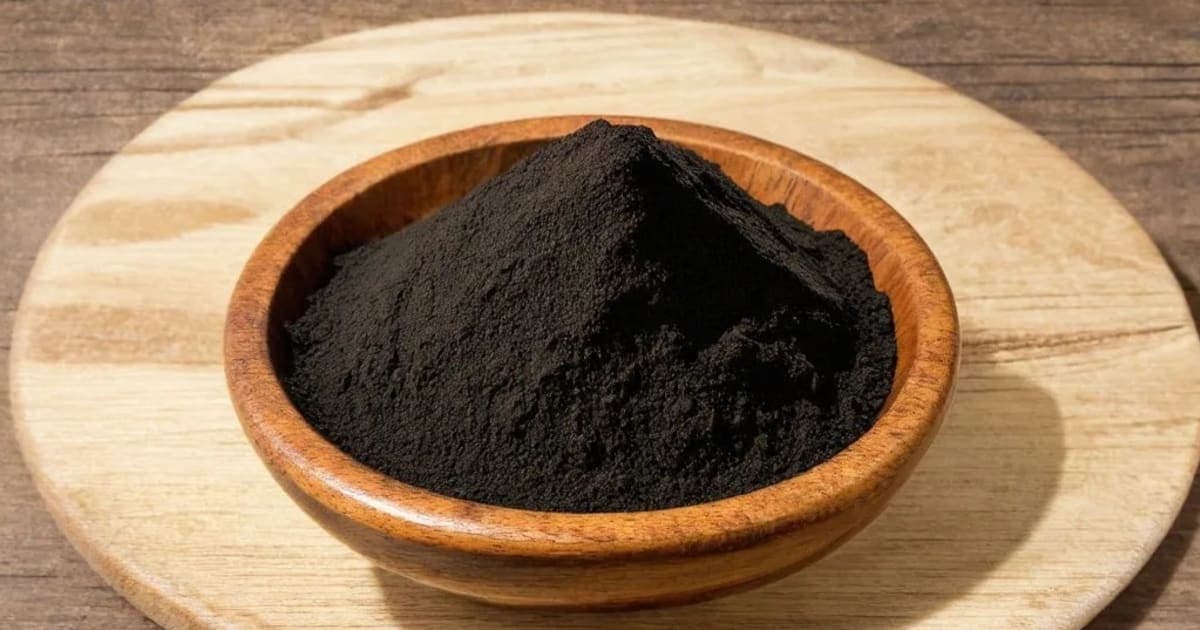
Shilajit is a sticky, tar-like mineral exudate found in the high rocks of the Himalayas, revered in Ayurveda as a premier rejuvenator (Rasayana) for vitality and energy. Unlike typical herbs grown in soil, this substance oozes from mountain crevices during summer heat, carrying the concentrated essence of decomposed plant matter compressed over centuries. When purified, it dissolves easily in warm milk or water, releasing an earthy, smoky aroma and a distinctively bitter, pungent taste that signals its potent heating nature.
Classical texts like the Charaka Samhita describe Shilajit as a substance that can penetrate deep into tissues to clear blockages and restore strength. It is not merely a supplement; it is considered a Yogavahi, meaning it acts as a catalyst that enhances the delivery and efficacy of other herbs it is paired with. While modern marketing often hypes it as a miracle cure, traditional practitioners value it specifically for its ability to ground Vata instability and dissolve the heaviness of Kapha without overwhelming the system, provided it is sourced and purified correctly.
What are the Ayurvedic properties of Shilajit?
Shilajit is classified in Dravyaguna Shastra as having a pungent and bitter taste (Katu, Tikta Rasa) with a heating potency (Ushna Virya) that ignites digestive fire. These specific qualities determine how the substance interacts with your physiology, making it light enough to absorb quickly yet powerful enough to scrape away metabolic waste (Ama). Understanding these parameters helps you predict whether Shilajit will harmonize your constitution or aggravate an existing imbalance.
| Property (Sanskrit) | Value | What it means for your body |
|---|---|---|
| Rasa (Taste) | Katu (Pungent), Tikta (Bitter) | Stimulates metabolism and clears channels; detoxifies blood and reduces Kapha stagnation. |
| Guna (Quality) | Laghu (Light), Tikshna (Sharp) | Ensures rapid absorption and deep tissue penetration; scrapes away toxins. |
| Virya (Potency) | Ushna (Hot) | Generates internal heat, improves circulation, and strengthens digestive fire (Agni). |
| Vipaka (Post-digestive) | Katu (Pungent) | Leaves a lasting heating and drying effect on tissues after digestion is complete. |
| Prabhava (Special Effect) | Rasayana (Rejuvenator) | Uniquely restores youthfulness and vitality beyond what its basic qualities suggest. |
Which doshas does Shilajit balance?
Shilajit primarily pacifies Vata and Kapha doshas due to its heating and grounding qualities, making it ideal for those feeling cold, stiff, or mentally scattered. Its sharp, hot nature cuts through the sluggishness of Kapha and the dryness of Vata, bringing warmth and stability to the system. However, because it is inherently heating, individuals with a dominant Pitta constitution or those suffering from active inflammation should approach it with caution.
If you have high Pitta, signs like acid reflux, skin rashes, or irritability may worsen if you take Shilajit without cooling carriers like ghee or milk. Grandmothers in the Himalayan foothills often recommend taking just a pea-sized amount dissolved in warm milk rather than water to buffer its intensity. This traditional method slows the release of its active compounds, preventing the sudden surge of heat that can disturb a sensitive constitution.
How do you know if Shilajit is right for you?
You likely need Shilajit if you experience chronic fatigue, joint stiffness, brain fog, or a persistent feeling of coldness even in warm weather. These symptoms often point to an accumulation of Ama (toxins) and a sluggish Agni (digestive fire), which Shilajit's sharp, hot qualities are uniquely designed to address. Conversely, if you already feel overheated, angry, or prone to loose stools, your body may be signaling that it needs cooling herbs instead.
A quotable fact from Ayurvedic pharmacology is that Shilajit is one of the few substances capable of crossing the blood-brain barrier effectively to deliver nutrients directly to neural tissue. This specific capability is why it is often prescribed for memory loss and neurodegenerative concerns in classical formulations. Always ensure your source is purified; raw Shilajit contains heavy metals and impurities that can be harmful if not removed through traditional Shodhana processes.
Frequently Asked Questions
What is the best time of day to take Shilajit?
Most practitioners recommend taking Shilajit early in the morning on an empty stomach to maximize absorption and energy levels throughout the day. Taking it at night may be too stimulating for some people, potentially disrupting sleep due to its heating and energizing effects.
Can I take Shilajit if I have high Pitta?
Yes, but only in small doses and ideally mixed with cooling carriers like cow ghee, milk, or rose water to neutralize its heating potency. If you notice increased acidity, skin flushing, or irritability, discontinue use or consult an Ayurvedic practitioner for a modified dosage.
How long does it take for Shilajit to work?
While some users report an immediate boost in mental clarity, the deep rejuvenating effects on tissue and stamina typically build up over 4 to 6 weeks of consistent daily use. Ayurvedic herbs often work cumulatively, correcting underlying imbalances rather than just masking symptoms quickly.
Frequently Asked Questions
What is Shilajit used for in Ayurveda?
Shilajit is primarily used as a rasayana and Strength Promoter in Ayurvedic medicine. Famous rejuvenator and energy booster for all ages. It pacifies Kapha, Vata dosha.
How should I take Shilajit?
Shilajit can be taken as powder (1/2-1 tsp with warm water or milk), decoction (boil 1 tsp in water), or tablets (1-2 daily). Always start with a low dose and consult an Ayurvedic practitioner for personalized guidance.
Is Shilajit safe during pregnancy?
Pregnant and nursing women should not take Shilajit without consulting their doctor first. Most Ayurvedic herbs require medical supervision during pregnancy.
Which dosha does Shilajit balance?
Shilajit pacifies Kapha, Vata. Excessive use may increase Pitta dosha.
Can I take Shilajit daily?
Shilajit can be taken daily in recommended doses for 4-8 weeks. After that, take a 2-week break before resuming. Long-term use should be supervised by a qualified Ayurvedic practitioner.
What are the side effects of Shilajit?
When taken in recommended doses, Shilajit is generally safe. Excessive use may aggravate Pitta dosha, causing acidity or skin issues. Stop use if you experience any adverse reaction.
Related Articles
The Timeless Benefits of Triphala: An Ayurvedic Powerhouse
Discover the transformative benefits of Triphala, an ancient Ayurvedic blend of three fruits that supports digestion, immunity, weight management, and overall vitality.
5 min read
The Divine Benefits of Tulsi (Holy Basil) in Ayurveda
Discover the sacred benefits of Tulsi (Holy Basil) in Ayurveda. From boosting immunity and reducing stress to supporting heart health and digestion, learn how this divine herb can transform your well-being.
4 min read
The Remarkable Benefits of Giloy: An Ayurvedic Powerhouse
Discover the profound health benefits of Giloy, the Ayurvedic 'root of immortality.' Learn how this powerful herb boosts immunity, manages diabetes, improves digestion, and supports skin, hair, and bone health.
5 min read
The Remarkable Benefits of Ashwagandha: An Ayurvedic Perspective
Discover the ancient wisdom of Ashwagandha, a powerful Ayurvedic adaptogen known for reducing stress, boosting immunity, improving sleep, and enhancing physical strength.
4 min read
Brihatyadi Kashayam: Natural Relief for Urinary Tract Disorders and Cystitis
Brihatyadi Kashayam is a cooling Ayurvedic decoction that targets urinary burning and cystitis by balancing Vata and Pitta. Unlike standard teas, this concentrated liquid extract is specifically designed to reduce inflammation in the bladder lining while flushing out toxins.
5 min read
Asphota: Ayurvedic Brain Tonic, Calming Herb & Blood Purifier
Often overlooked, Asphota is a cooling, bitter herb that acts as a gentle brain tonic and blood purifier. While it shares traits with the popular Aparajita, its unique astringent quality makes it particularly effective for stopping bleeding and soothing inflamed tissues.
6 min read
References & Sources
This article is based on principles from classical Ayurvedic texts including Charaka Samhita, Sushruta Samhita, and Ashtanga Hridaya. Content has been reviewed for accuracy by our editorial team. For specific medical conditions, always consult a qualified Ayurvedic practitioner or healthcare provider.
- • Charaka Samhita (चरक संहिता)
- • Sushruta Samhita (सुश्रुत संहिता)
- • Ashtanga Hridaya (अष्टांग हृदय)
Found an error in this article? Let us know