
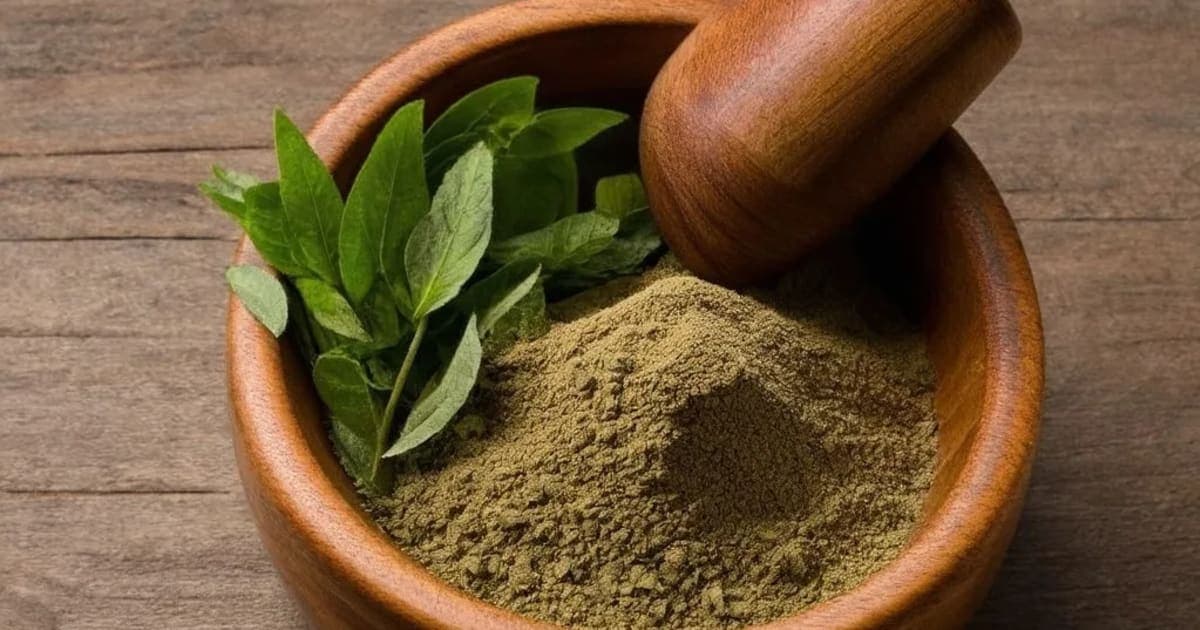
Kankshi (Alum): Stopping Bleeding, Purifying Water & Balancing Pitta
Expert Reviewed
Reviewed by AyurvedicUpchar Editorial Team
What is Kankshi in Ayurveda?
Kankshi, known commonly as alum, is a potent astringent mineral used in Ayurveda to staunch bleeding, purify water, and heal minor wounds when applied topically. Unlike many botanical herbs, this crystalline substance feels cool to the touch initially but carries a heating energy (Ushna Virya) once it interacts with the body's tissues.
Classical texts like the Bhavaprakash Nighantu classify Kankshi as a unique Dravya (medicinal substance) that bridges the gap between external applications and internal purification. While modern chemistry views it as potassium aluminum sulfate, Ayurveda recognizes its specific ability to dry excess moisture and tighten loose tissues without causing inflammation.
Kankshi is a mineral-based astringent in Ayurveda, valued for its ability to instantly stop bleeding and dry up excess Kapha mucus while pacifying Pitta heat.
The taste profile is distinct: a sharp, drying Astringent (Kashaya) followed by a mild Sour (Amla) note. This combination is what makes it so effective for conditions involving fluid loss or excessive discharge. You might find it used in traditional households as a pinch of powder mixed with water to gargle for a sore throat or applied as a paste to a small cut to stop the flow of blood immediately.
How does Kankshi affect your Doshas?
Kankshi primarily balances Pitta and Kapha doshas by cooling inflammation and drying excess moisture, but it can aggravate Vata if used in excess or for too long. Its drying nature helps clear congestion and heal ulcers, making it a go-to remedy for skin eruptions, bleeding gums, and watery discharges.
However, because it is so drying, individuals with a Vata constitution—those prone to dry skin, constipation, or anxiety—must use it sparingly. Overuse can strip the body of necessary lubrication, leading to stiffness or irritability. Always pair it with nourishing oils or ghee if internal use is prescribed by a practitioner.
What are the specific Ayurvedic properties of Kankshi?
Understanding the five fundamental properties of Kankshi explains exactly how it moves through your system and why it works for specific ailments. These properties determine its speed of absorption, its heating or cooling effect, and its long-term impact on digestion.
| Property (Sanskrit) | Value | What it means for your body |
|---|---|---|
| Rasa (Taste) | Kashaya, Amla | Provides a drying, healing effect that stops bleeding and stimulates appetite. |
| Guna (Quality) | Laghu, Ruksha | Light and dry qualities allow it to penetrate tissues quickly and absorb excess fluid. |
| Virya (Potency) | Ushna | Heating energy that boosts digestion and circulation, countering cold and damp conditions. |
| Vipaka (Post-digestive effect) | Katu | Converts to a pungent taste after digestion, helping to clear deep-seated toxins and mucus. |
| Prabhava (Special effect) | Vranaropana | Specific ability to heal wounds and close ulcers faster than other astringents. |
How do people traditionally use Kankshi?
Traditional use of Kankshi focuses on its ability to act as a natural bandage and water purifier. In rural settings, a small crystal is often rubbed on the rim of a clay water pot to clarify turbid water, allowing sediments to settle rapidly. For oral health, a tiny amount of the powder is rubbed on bleeding gums or used as a mouthwash to reduce swelling and freshen breath.
For skin issues like eczema or weeping sores, practitioners often mix the powder with rose water to create a cooling paste that dries the lesion without stinging. It is rarely consumed raw in large quantities; instead, it is purified (Shodhana) and used in minute doses within compound formulations to treat internal bleeding or chronic diarrhea.
What precautions should you take with Kankshi?
While effective, Kankshi requires caution because its drying power can easily dehydrate the body if misused. Never apply it to deep, open wounds without medical supervision, and avoid internal use unless guided by a qualified Ayurvedic practitioner. Pregnant women and individuals with severe kidney issues should avoid this herb entirely due to its mineral content and heating potency.
If you notice signs of Vata imbalance—such as increased dryness in the mouth, constipation, or joint stiffness—stop using the herb immediately and switch to more unctuous, oil-based remedies. It is a powerful tool, but like a strong spice, it must be dosed correctly to heal rather than harm.
Frequently Asked Questions about Kankshi
Is Kankshi safe to eat every day?
No, Kankshi is not meant for daily consumption like a dietary spice. It is a potent medicinal mineral used in small, specific doses for acute conditions like bleeding or severe diarrhea, and long-term use can damage the digestive lining.
How does Kankshi stop bleeding?
Kankshi works by rapidly constricting blood vessels and coagulating proteins at the site of injury due to its strong Astringent (Kashaya) taste, effectively sealing the wound and preventing further fluid loss.
Can Kankshi be used for water purification?
Yes, a small crystal of Kankshi is traditionally dropped into dirty water to coagulate suspended particles, causing them to settle to the bottom and making the water clearer for filtration and safe drinking.
Who should avoid using Kankshi?
People with Vata dosha dominance, severe dehydration, kidney disorders, or those who are pregnant should avoid Kankshi, as its drying and heating nature can worsen these specific conditions.
Disclaimer: This information is for educational purposes only and does not constitute medical advice. Always consult a qualified Ayurvedic practitioner before using Kankshi or any other herb for medicinal purposes.
Frequently Asked Questions
What is Kankshi used for in Ayurveda?
Kankshi is primarily used as a Raktastambhana and Hair Nourisher in Ayurvedic medicine. Alum is a powerful astringent used topically to stop bleeding and purify water, and internally in purified form. It pacifies Pitta, Kapha dosha.
How should I take Kankshi?
Kankshi can be taken as powder (1/2-1 tsp with warm water or milk), decoction (boil 1 tsp in water), or tablets (1-2 daily). Always start with a low dose and consult an Ayurvedic practitioner for personalized guidance.
Is Kankshi safe during pregnancy?
Pregnant and nursing women should not take Kankshi without consulting their doctor first. Most Ayurvedic herbs require medical supervision during pregnancy.
Which dosha does Kankshi balance?
Kankshi pacifies Pitta, Kapha. Excessive use may increase Vata dosha.
Can I take Kankshi daily?
Kankshi can be taken daily in recommended doses for 4-8 weeks. After that, take a 2-week break before resuming. Long-term use should be supervised by a qualified Ayurvedic practitioner.
What are the side effects of Kankshi?
When taken in recommended doses, Kankshi is generally safe. Excessive use may aggravate Vata dosha, causing gas or bloating. Stop use if you experience any adverse reaction.
Related Articles
The Timeless Benefits of Triphala: An Ayurvedic Powerhouse
Discover the transformative benefits of Triphala, an ancient Ayurvedic blend of three fruits that supports digestion, immunity, weight management, and overall vitality.
5 min read
The Divine Benefits of Tulsi (Holy Basil) in Ayurveda
Discover the sacred benefits of Tulsi (Holy Basil) in Ayurveda. From boosting immunity and reducing stress to supporting heart health and digestion, learn how this divine herb can transform your well-being.
4 min read
The Remarkable Benefits of Giloy: An Ayurvedic Powerhouse
Discover the profound health benefits of Giloy, the Ayurvedic 'root of immortality.' Learn how this powerful herb boosts immunity, manages diabetes, improves digestion, and supports skin, hair, and bone health.
5 min read
The Remarkable Benefits of Ashwagandha: An Ayurvedic Perspective
Discover the ancient wisdom of Ashwagandha, a powerful Ayurvedic adaptogen known for reducing stress, boosting immunity, improving sleep, and enhancing physical strength.
4 min read
Brihatyadi Kashayam: Natural Relief for Urinary Tract Disorders and Cystitis
Brihatyadi Kashayam is a cooling Ayurvedic decoction that targets urinary burning and cystitis by balancing Vata and Pitta. Unlike standard teas, this concentrated liquid extract is specifically designed to reduce inflammation in the bladder lining while flushing out toxins.
5 min read
Asphota: Ayurvedic Brain Tonic, Calming Herb & Blood Purifier
Often overlooked, Asphota is a cooling, bitter herb that acts as a gentle brain tonic and blood purifier. While it shares traits with the popular Aparajita, its unique astringent quality makes it particularly effective for stopping bleeding and soothing inflamed tissues.
6 min read
References & Sources
This article is based on principles from classical Ayurvedic texts including Charaka Samhita, Sushruta Samhita, and Ashtanga Hridaya. Content has been reviewed for accuracy by our editorial team. For specific medical conditions, always consult a qualified Ayurvedic practitioner or healthcare provider.
- • Charaka Samhita (चरक संहिता)
- • Sushruta Samhita (सुश्रुत संहिता)
- • Ashtanga Hridaya (अष्टांग हृदय)
Found an error in this article? Let us know